Finding the right photography workshop can transform your skills faster than any amount of solo practice. Whether you're struggling with portrait lighting, want to capture compelling street scenes during travel, or dream of telling stories through documentary work, local workshops offer direct feedback and real-world practice that online tutorials simply can't match.
The challenge isn't finding workshops—it's finding the right one. A quick search reveals dozens of options in most metropolitan areas, ranging from weekend intensives to multi-week programs. The difference between a transformative learning experience and wasted money often comes down to understanding what you actually need and how to evaluate your options.
What Photography Workshops Offer Hands-On Training
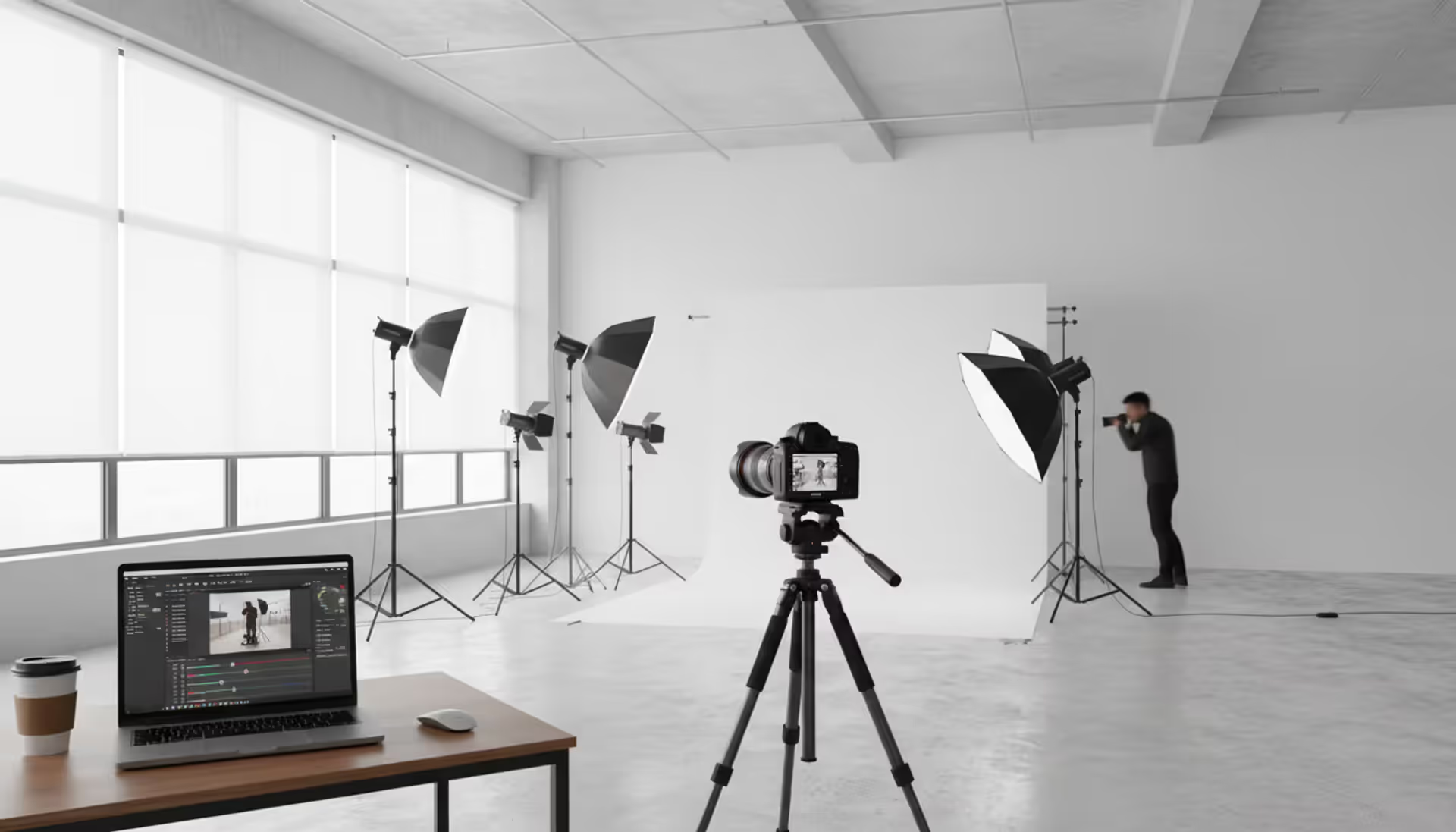
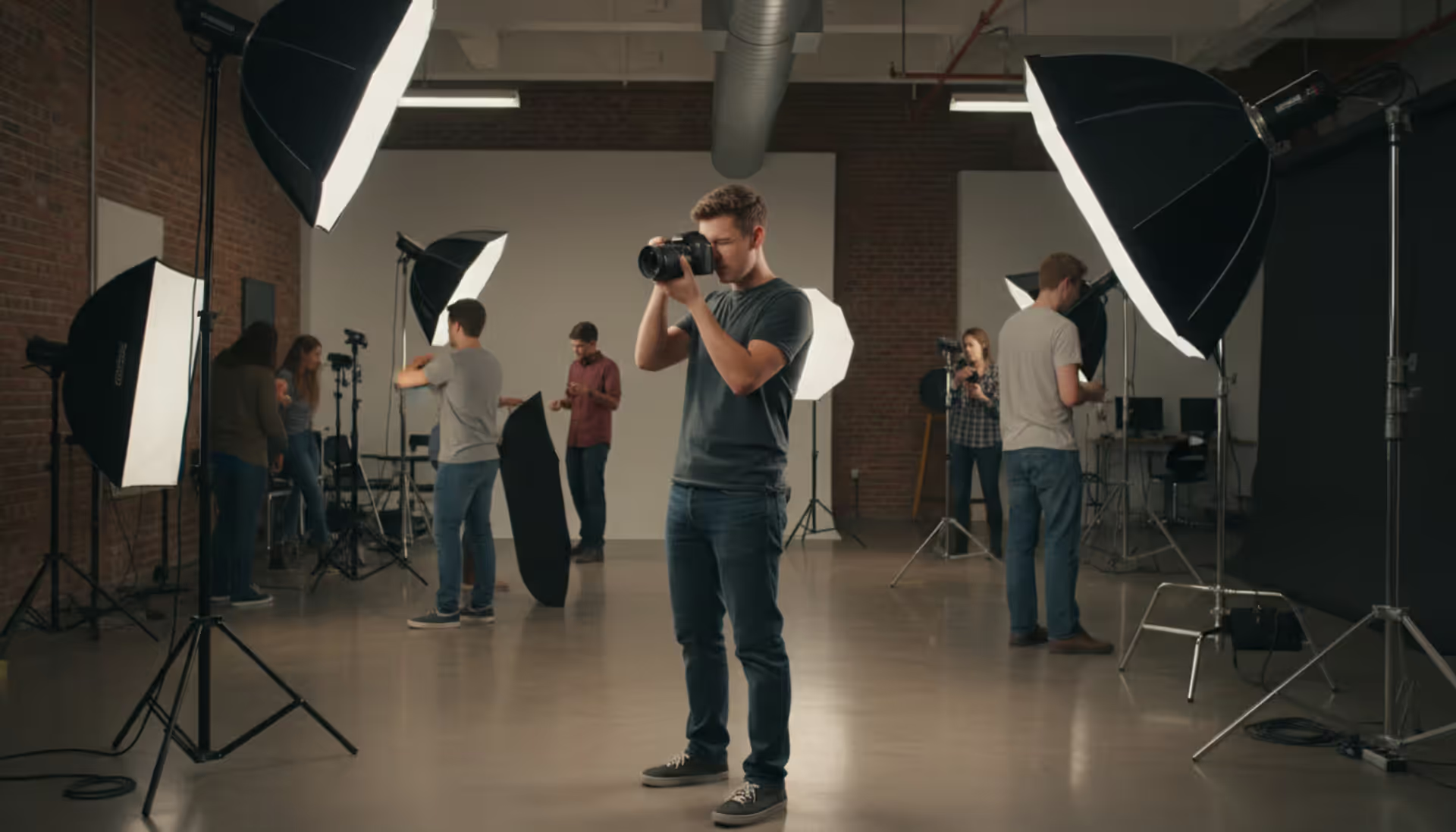
Hands-on training means you'll spend the majority of workshop time with a camera in your hands, not watching slideshows. The photography hands-on training overview typically includes three core components: guided shooting sessions, immediate feedback loops, and iterative practice.
During guided sessions, instructors set up specific scenarios—a model under controlled lighting for portrait work, a neighborhood walk for street photography, or a staged event for documentary practice. You shoot while the instructor circulates, observing your approach and offering real-time corrections. This immediate intervention prevents you from reinforcing bad habits.
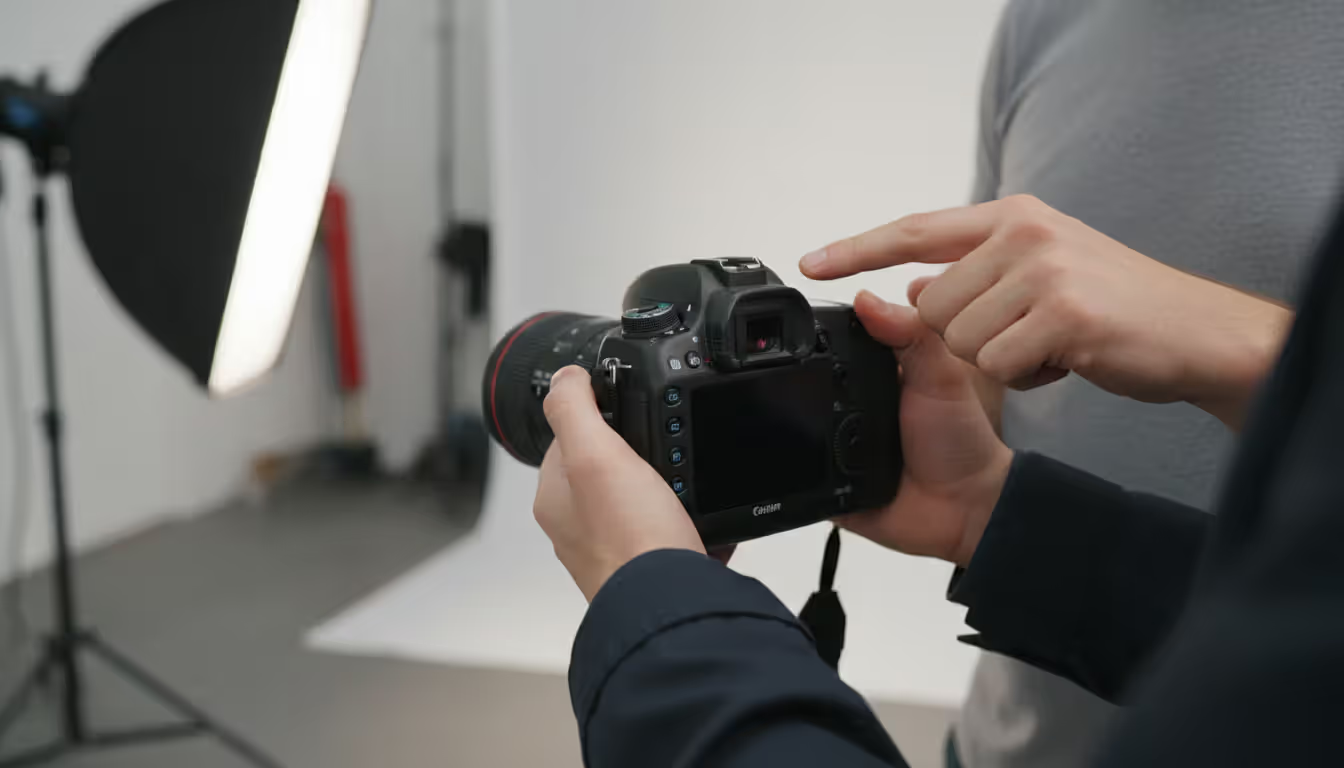
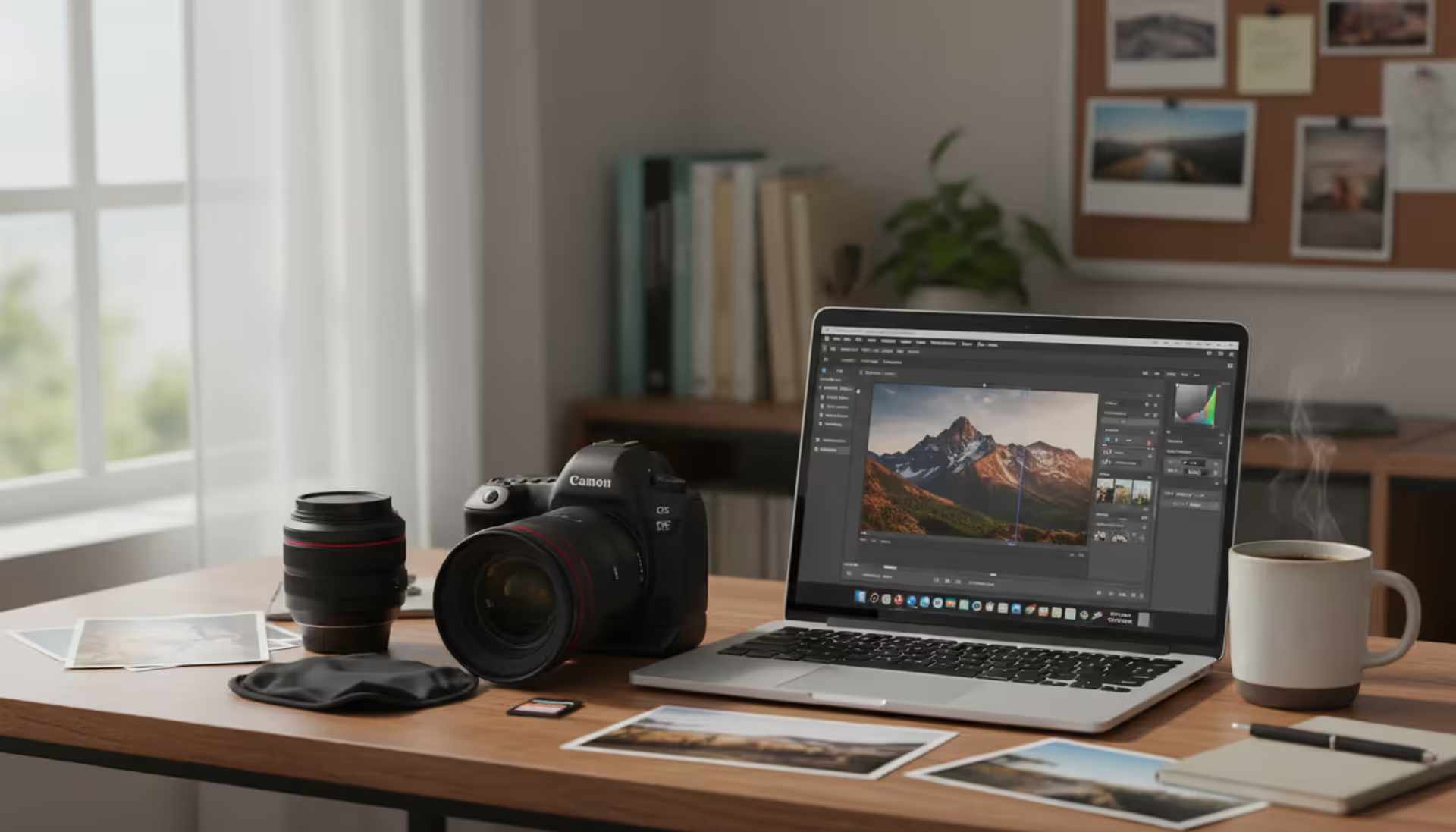
The feedback loop happens when you review images together, usually on a laptop or tablet within minutes of shooting. The instructor explains why certain exposures work and others fail, how your composition choices affect emotional impact, and what technical adjustments would improve the shot. You then reshoot the same scenario with those corrections in mind.
Expect to repeat this cycle multiple times during a single session. A three-hour workshop might include four or five shooting-review-reshoot rounds. This repetition builds muscle memory far more effectively than shooting hundreds of images alone and reviewing them days later.
Quality workshops also include portfolio review sessions where you bring existing work for critique. Instructors identify patterns in your shooting—maybe you consistently underexpose, avoid close-ups, or frame too tightly. These insights help you understand not just how to improve specific images, but how to develop your overall photographic vision.
Equipment handling is another hands-on element. You'll practice swapping lenses quickly, adjusting settings without looking at your camera, and using flash or reflectors efficiently. These mechanical skills become automatic through repetition under instructor supervision.
Author: Derek Halston;
Source: maryelizabethphoto.com
Types of Photography Workshops Available Locally
Different workshop types serve different goals. Understanding these distinctions helps you match your learning objectives to the right format.
Workshop Type
Typical Duration
Skill Level
Equipment Needed
Average Cost Range
Portrait Photography
4-8 hours (single day)
Beginner to Advanced
DSLR/mirrorless, 50mm or 85mm lens
$150-$400
Travel Photography
2-5 days
Intermediate
Wide-angle lens, versatile zoom, backup battery
$300-$1,200
Documentary Photography
6-12 weeks (weekly sessions)
Intermediate to Advanced
Full kit, external flash, backup body recommended
$600-$2,500
Portrait Photography Workshops
Portrait photography workshops focus on the technical and interpersonal skills needed to photograph people effectively. You'll work with live models, learning to direct poses, manage expressions, and create flattering light.
Beginner sessions cover fundamental concepts: aperture settings for background blur, focal length choices for facial proportions, and basic natural light techniques. You'll practice positioning subjects relative to window light, using reflectors to fill shadows, and communicating clearly to help subjects relax.
Intermediate and advanced portrait photography workshops dive into artificial lighting. You'll learn single-light setups, then progress to multi-light configurations. Instructors demonstrate how to shape light with modifiers—softboxes, umbrellas, grids, and gels. You'll practice creating specific moods: dramatic side-lighting for environmental portraits, soft beauty lighting for headshots, or edgy lighting for creative work.
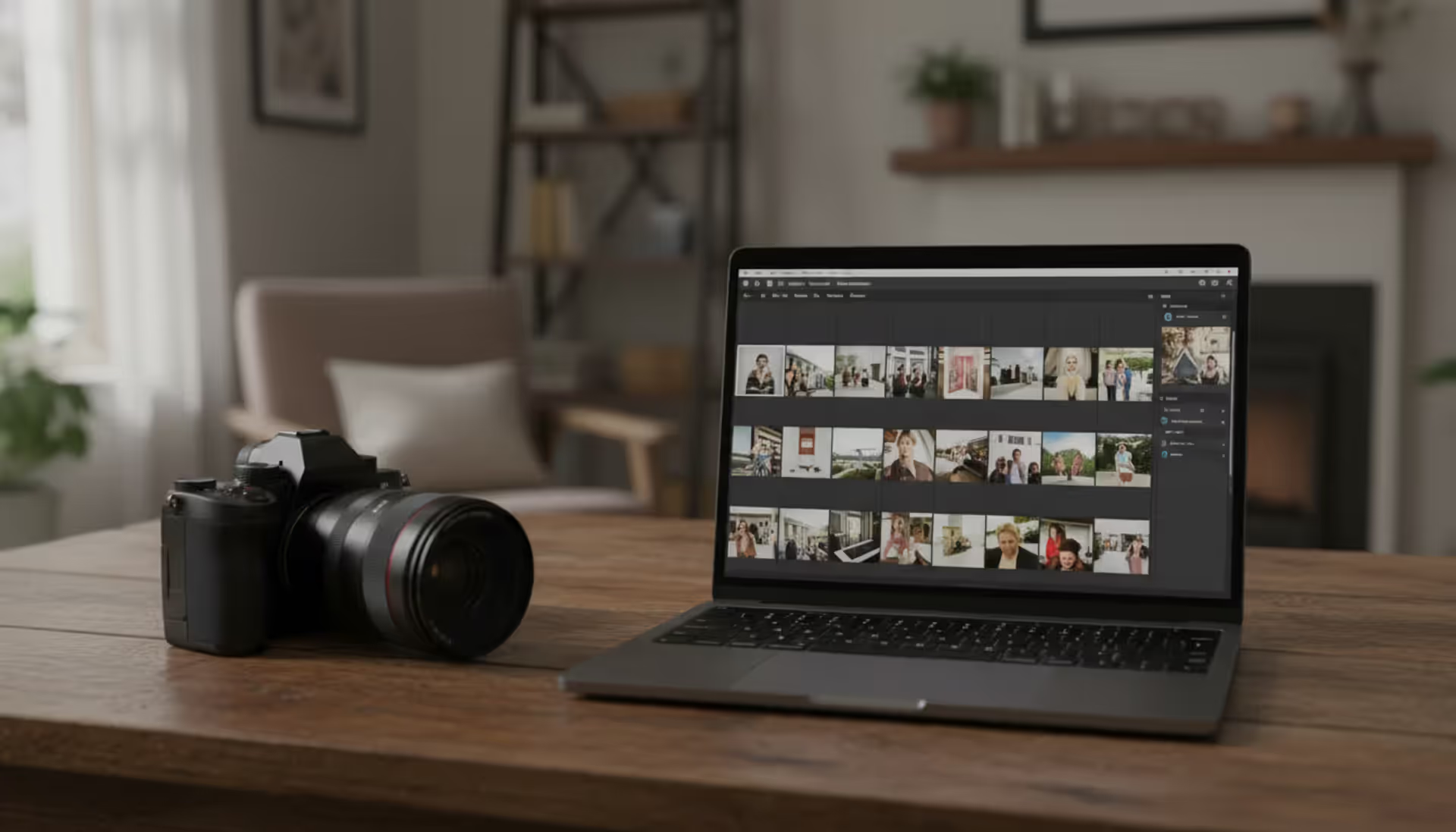
Many portrait workshops include tethered shooting, where your camera connects directly to a computer screen. Everyone sees your images immediately, allowing the instructor to critique composition and lighting in real-time while the model holds the pose. This instant feedback accelerates learning significantly.
Environmental portraiture—photographing people in meaningful locations—often comprises the second half of intermediate workshops. You'll practice balancing ambient light with flash, finding compelling backgrounds that add context without distraction, and working quickly in changing conditions.
Travel Photography Workshop Options
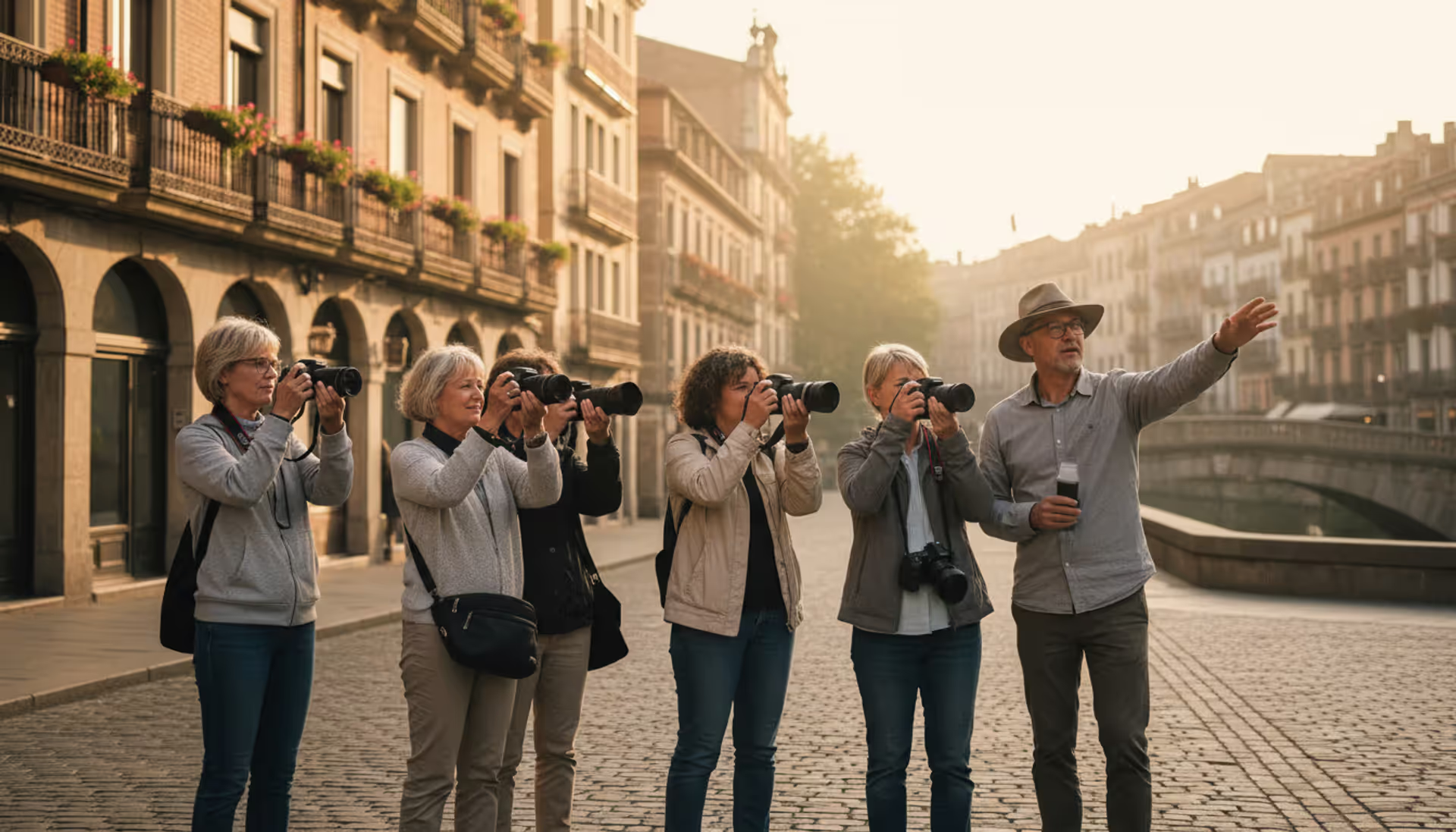
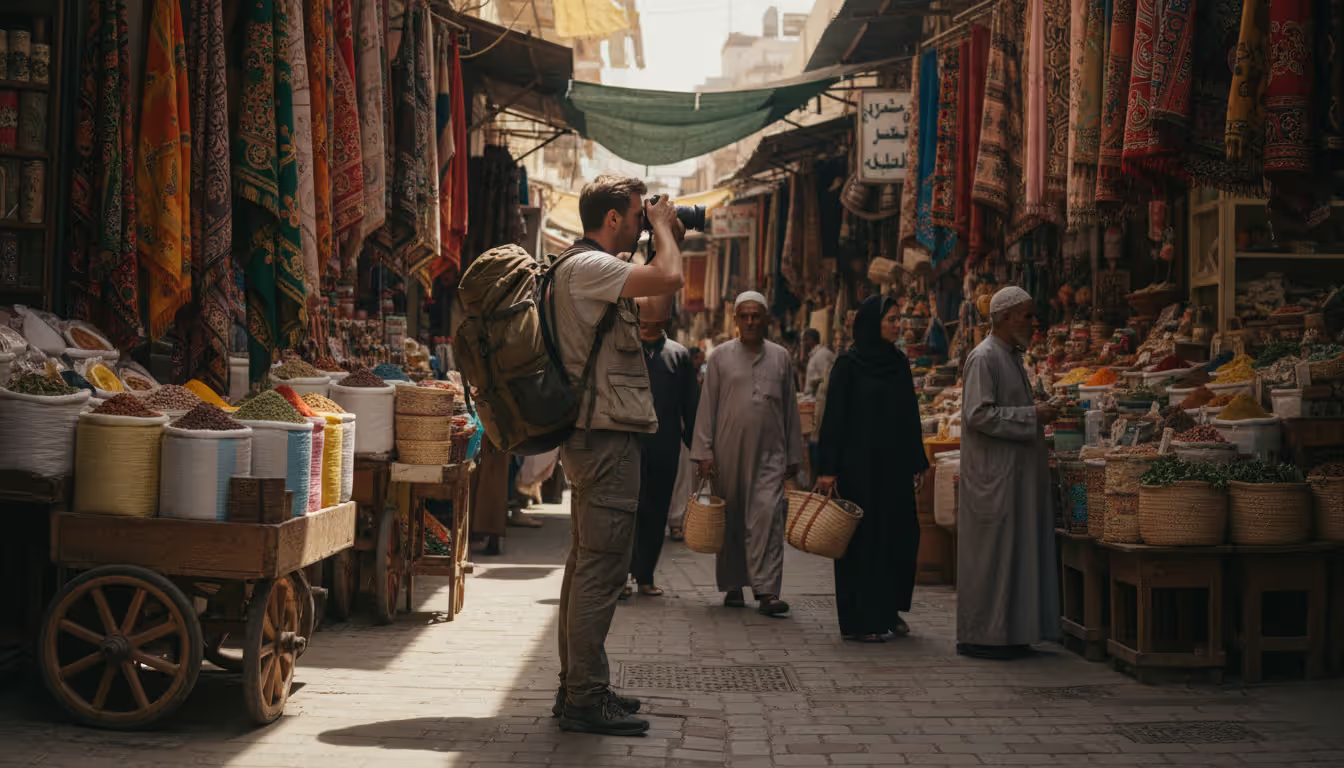
A travel photography workshop teaches you to capture compelling images in unfamiliar environments, often under time pressure and unpredictable conditions. These workshops typically take place in visually rich locations—historic neighborhoods, markets, festivals, or natural landscapes.
Single-day local travel workshops focus on street photography techniques: anticipating moments, shooting candidly without disturbing subjects, and finding graphic compositions in urban chaos. You'll practice preset camera configurations for quick shooting, learn to read light in various conditions, and develop an eye for layered scenes that create depth.
Multi-day travel photography workshops often include overnight trips to destinations within a few hours' drive. These intensive programs cover broader skills: landscape photography during golden hour, night photography techniques, cultural sensitivity when photographing people, and visual storytelling through photo sequences.
Instructors emphasize efficiency—how to scout locations quickly, identify the best vantage points, and maximize shooting time during optimal light. You'll learn to work a scene, capturing multiple perspectives and focal lengths rather than shooting once and moving on.
These workshops also address practical travel concerns: protecting gear in various weather, managing storage and backups on the road, and maintaining creative energy during long shooting days. The combination of technical instruction and logistical problem-solving prepares you for independent photo travel.
Author: Derek Halston;
Source: maryelizabethphoto.com
Documentary Photography Workshops
Documentary photography workshops teach long-form visual storytelling, where you develop a cohesive narrative through multiple images rather than capturing single decisive moments. These programs typically run for several weeks or months, allowing time to develop and complete a project.
You'll learn to identify compelling stories in your community, gain access to subjects, and build trust that allows intimate documentation. Instructors guide you through ethical considerations: when to photograph and when to put the camera down, how to represent subjects fairly, and how to balance artistic vision with journalistic responsibility.
Technical emphasis includes working in available light—documentary photographers rarely use flash or stage scenes. You'll practice shooting in dim interiors, mixed lighting, and other challenging conditions while maintaining a documentary aesthetic. High ISO techniques, fast lenses, and exposure management become critical skills.
Documentary photography workshops include extensive editing sessions. You'll learn to sequence images for narrative flow, select photos that advance the story rather than simply looking good individually, and create cohesive bodies of work. Instructors help you develop a critical eye for your own work, identifying which images are essential and which are redundant.
Many programs culminate in exhibitions or publications, giving you experience presenting finished work to audiences. This complete cycle—from concept through execution to presentation—mirrors professional documentary practice.
How to Find Photography Workshops in Your Area
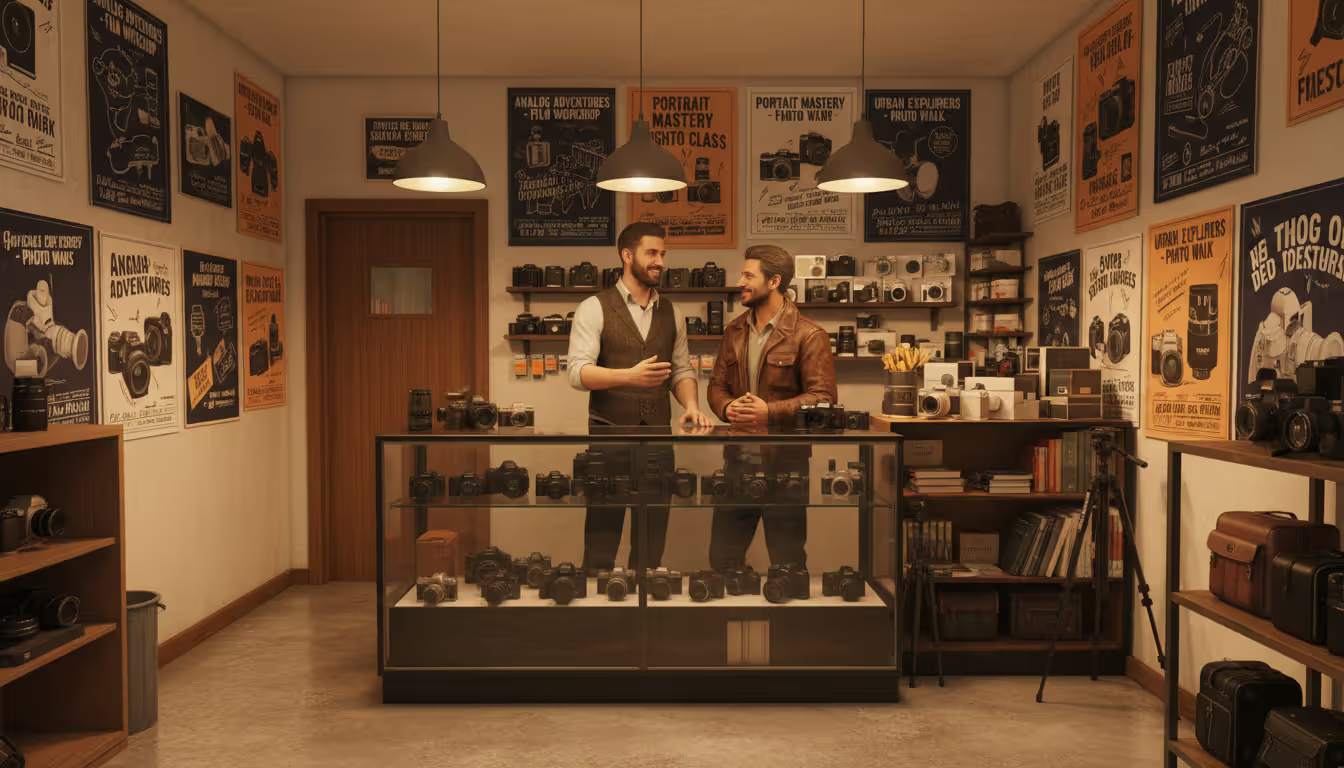
Start with local camera stores, especially independent shops rather than big-box retailers. Many host or sponsor workshops, bringing in professional photographers to teach. Store staff can also recommend instructors and programs they've heard positive feedback about.
Community colleges and continuing education programs offer affordable workshops, typically ranging from single sessions to six-week courses. While these may lack the intensity of professional workshops, they provide solid fundamentals at lower prices. Check course catalogs in January and August when new sessions begin.
Photography schools and art centers in larger cities run year-round workshop programs. These institutions employ professional photographers as instructors and maintain dedicated teaching facilities with lighting equipment, backdrops, and editing workstations. Programs range from beginner-friendly to highly specialized.
Meetup.com and similar platforms host photography groups that organize regular shoots and occasional workshops. While free meetups focus on practice rather than instruction, many groups bring in professional photographers for paid workshops several times yearly. These tend to be more affordable than commercial programs while maintaining quality instruction.
Professional photographers often teach independently, advertising through their websites and social media. Search Instagram and Facebook for local photographers whose work you admire, then check if they offer workshops. Many professionals teach a few times yearly as a secondary income stream, bringing real-world expertise to their instruction.
Photography associations and clubs, like local camera clubs affiliated with the Photographic Society of America, organize workshops for members. Annual membership fees are modest, and workshops are often included or offered at reduced rates.
Online directories like WorkshopFinder and photography-specific platforms aggregate listings by location and specialty. These allow you to compare multiple options, read reviews, and filter by skill level or workshop type.
Author: Derek Halston;
Source: maryelizabethphoto.com
What to Look for When Choosing a Workshop
Instructor credentials matter more than fancy marketing. Research the instructor's professional work—do they actively shoot in the style they're teaching? A portrait workshop led by a wedding photographer brings different expertise than one taught by a fine art portraitist. Both are valid, but they'll emphasize different skills.
Look for instructors who teach regularly, not just occasionally. Teaching photography requires different skills than creating it. Experienced instructors know how to demonstrate techniques clearly, identify common student struggles, and adapt explanations to different learning styles.
The best photography workshops give you more time behind the camera than in a lecture hall. Look for a 70/30 hands-on to instruction ratio
— Sarah Mitchell
Class size directly impacts learning quality. Workshops with fewer than eight students allow individual attention; the instructor can watch each person shoot and provide personalized feedback. Classes exceeding twelve students often devolve into demonstrations where you watch the instructor work rather than practicing yourself.
Review the schedule breakdown. A six-hour workshop should include at least four hours of shooting time. Be suspicious of programs that spend half the day on slideshows or technical lectures—that information is available free online. You're paying for hands-on practice and expert feedback.
Equipment requirements reveal the workshop's practical focus. If the listing says "any camera is fine," expect a beginner-oriented program covering fundamentals. Workshops requiring specific lenses or external flash indicate more advanced, technically focused instruction.
Skill level matching prevents frustration. Beginner workshops that attract advanced photographers waste everyone's time with basic concepts. Conversely, jumping into advanced programs without foundational skills leaves you lost. Read course descriptions carefully and contact organizers if you're unsure about fit.
Portfolio review opportunities add significant value. Workshops that include critique sessions for your existing work provide personalized guidance beyond generic instruction. These reviews help you understand your current skill gaps and what to focus on next.
Location convenience affects your energy and punctuality. A workshop across town requiring an hour's drive might seem manageable, but arriving stressed and tired reduces your ability to learn. Factor in travel time and traffic patterns when comparing options.
Cost Factors for Photography Training Programs
Workshop pricing reflects several variables beyond simple duration. Understanding these helps you evaluate whether a program offers good value.
Instructor reputation significantly affects cost. Nationally recognized photographers command premium rates, sometimes $500+ for a single day. Lesser-known but equally skilled local professionals might charge $150-$250 for comparable instruction. You're paying partly for the instructor's name and networking opportunity, not just teaching quality.
Included resources add value that isn't obvious in the base price. Some portrait photography workshops provide models, studio space, and lighting equipment. Others require you to arrange models and rent gear separately, effectively doubling your total investment. Always clarify what's included before comparing prices.
Multi-day programs show economies of scale. A three-day travel photography workshop might cost $900 total—$300 per day. Single-day workshops from the same instructor might run $400 each. The multi-day format includes repeated concepts and builds skills progressively, often justifying the bulk discount.
Group size inversely correlates with price. Small workshops (four to six students) cost more per person because the instructor's time is divided among fewer people. Large workshops (fifteen to twenty students) cost less individually but offer less personal attention.
Equipment rental fees appear in specialized workshops. Underwater photography, studio lighting, or medium format film workshops might include gear rental in the price, or charge separately. Budget an extra $50-$150 for rental fees if you don't own specialized equipment.
Location expenses affect travel photography workshop pricing. Programs in expensive cities or requiring overnight stays cost more. A workshop in a nearby neighborhood might run $200, while a weekend in a scenic location three hours away could reach $800-$1,200 once you factor in lodging and meals.
Certification or continuing education credits justify higher prices for some students. Workshops offering professional development hours for educators or industry certifications include administrative costs that raise prices by 20-30%.
Early registration discounts typically save 10-15%. Many instructors offer reduced rates for students who commit months in advance, helping them plan class sizes and confirm the workshop will run.
Common Mistakes When Selecting a Photography Workshop
Choosing based solely on price leads to disappointment. The cheapest option often means the largest class size, least experienced instructor, or shortest hands-on time. A $100 workshop where you watch demonstrations all day teaches less than a $300 program with intensive practice, even though it costs less.
Ignoring skill level fit wastes money and time. Beginners in advanced workshops spend the day confused, unable to follow instruction that assumes knowledge they don't have. Advanced photographers in beginner classes leave frustrated, having paid for information they already know.
Skipping instructor research means you might learn from someone whose style or approach doesn't match your goals. Spend fifteen minutes reviewing the instructor's portfolio and teaching background. Do their images inspire you? Do past students leave positive reviews mentioning specific skills they developed?
Overlooking the hands-on ratio means you might attend what amounts to a lecture with cameras. Before registering, ask explicitly: "How much time will I spend shooting versus listening to instruction?" If the organizer can't provide a clear breakdown, that's a red flag.
Failing to ask about class size prevents you from gauging the attention you'll receive. A workshop advertised as "intimate" might include fifteen students. Ask for the maximum enrollment number and the current registration count.
Not clarifying equipment needs leads to showing up unprepared. Some workshops assume you'll bring specific lenses or accessories. Others provide everything. Confirm exactly what you need to bring and what's available on-site.
Ignoring refund policies creates risk. Life happens—you might get sick, face a family emergency, or have a work conflict. Understanding cancellation terms before paying protects your investment. Many workshops offer partial refunds if you cancel with sufficient notice.
Author: Derek Halston;
Source: maryelizabethphoto.com
Frequently Asked Questions About Local Photography Workshops
Do I need my own camera for photography workshops?
Most workshops require you to bring your own camera, as learning on your personal equipment builds familiarity with your specific controls and settings. Some specialized workshops—particularly those teaching medium format, film, or underwater photography—provide equipment rental as part of the fee or offer rental options. Always confirm equipment requirements when registering. If you're borrowing a camera, spend time with it before the workshop so you're not learning basic operations during class time.
How long do most photography workshops last?
Single-subject workshops typically run four to eight hours in one day, often starting early morning to capture good light or running through golden hour into evening. Multi-session programs meet weekly for six to twelve weeks, with each session lasting two to three hours. Intensive travel photography workshops span two to five full days. Duration depends on the complexity of the subject—portrait lighting fundamentals fit in a day, while documentary storytelling requires weeks to develop projects fully.
Are photography workshops suitable for beginners?
Many workshops specifically target beginners, covering camera operation, exposure basics, and composition fundamentals. Look for courses labeled "beginner," "fundamentals," or "introduction to" in the title. However, not all workshops suit newcomers—advanced lighting, commercial photography, and specialized techniques assume existing knowledge. Read course descriptions carefully and contact instructors if you're unsure whether your skill level matches. Most instructors prefer students who fit the intended level, as mixed-ability classes slow learning for everyone.
What's the difference between a workshop and an online course?
Workshops emphasize hands-on practice with immediate instructor feedback, while online courses deliver information through pre-recorded videos. In workshops, instructors watch you shoot and correct mistakes in real-time, preventing you from reinforcing bad habits. You also learn from watching others receive feedback and benefit from spontaneous questions that address concepts you hadn't considered. Online courses offer flexibility and lower cost but lack the personalized guidance and accountability that accelerate skill development. Many photographers use both: online courses for technical knowledge, workshops for practical application.
Can I get a refund if I can't attend a workshop?
Refund policies vary by instructor and organization. Most offer full refunds if you cancel 30+ days before the workshop date, partial refunds (typically 50%) for cancellations 14-30 days out, and no refunds for cancellations within two weeks of the start date. Some instructors allow you to transfer your registration to a future workshop instead of refunding. Community colleges and continuing education programs often follow institutional policies with specific deadlines. Always review cancellation terms before paying, and consider whether you can commit to the dates before registering.
Do workshops provide certificates or credentials?
Most recreational photography workshops don't provide formal credentials, though some give certificates of completion for your records. Workshops offering continuing education credits for teachers or professional development hours for certain industries provide documentation for those purposes. Professional certification programs—like those from the Professional Photographers of America—require completing specific coursework and passing examinations beyond single workshops. If credentials matter for your goals, verify what documentation the workshop provides before enrolling.
The right photography workshop accelerates your learning by months or years compared to solo practice. You'll gain technical skills, develop your artistic vision, and build confidence through guided practice and expert feedback. The key is matching your goals and skill level to the appropriate workshop type, instructor, and format.
Start by identifying what you most want to improve—portraits, travel photography, or documentary storytelling. Research local options through camera stores, community colleges, photography schools, and online directories. Evaluate instructors based on their professional work and teaching experience, not just marketing materials. Confirm that the workshop offers substantial hands-on time with small enough class sizes for individual attention.
Consider cost in context of what's included and the value you'll gain, rather than simply choosing the cheapest option. Avoid common mistakes like ignoring skill level fit or failing to research instructor backgrounds. Ask specific questions about hands-on time, class size, equipment needs, and refund policies before committing.
Whether you're picking up a camera for the first time or refining advanced techniques, local workshops offer the personalized instruction and practical experience that transform interested amateurs into skilled photographers. The investment in quality training pays dividends in every image you create afterward.
Photography has never been more accessible, but finding quality instruction that matches your learning style, budget, and goals can feel overwhelming. This comprehensive guide breaks down every major learning path—from free YouTube tutorials to university programs—helping you make an informed decision about where to invest your time and money
Selecting the right online photography program means balancing career goals, budget, and learning style. With options from weekend workshops to four-year degrees, you need to evaluate accreditation, instructor expertise, technical requirements, and program structure before enrolling
Selecting the right photography education shapes your career trajectory. Learn how to evaluate programs based on curriculum, format, accreditation, cost, and equipment access. Compare traditional vs online photography schools, understand financial aid options, and avoid common mistakes when choosing your program
Choosing a photography major shapes your career trajectory and creative identity. This comprehensive guide covers degree types, program comparisons, specializations from sports to fine art photography, career paths with salary expectations, and admission requirements to help you select the right school
The content on this website is provided for general informational and educational purposes only. It is intended to explain concepts related to running a photography business, insurance coverage, marketing, websites, and professional development.
All information on this website, including articles, guides, and examples, is presented for general educational purposes. Outcomes may vary depending on business size, location, and individual choices.
This website does not provide professional legal, insurance, financial, or business advice, and the information presented should not be used as a substitute for consultation with qualified professionals.
The website and its authors are not responsible for any errors or omissions, or for any outcomes resulting from decisions made based on the information provided on this website.