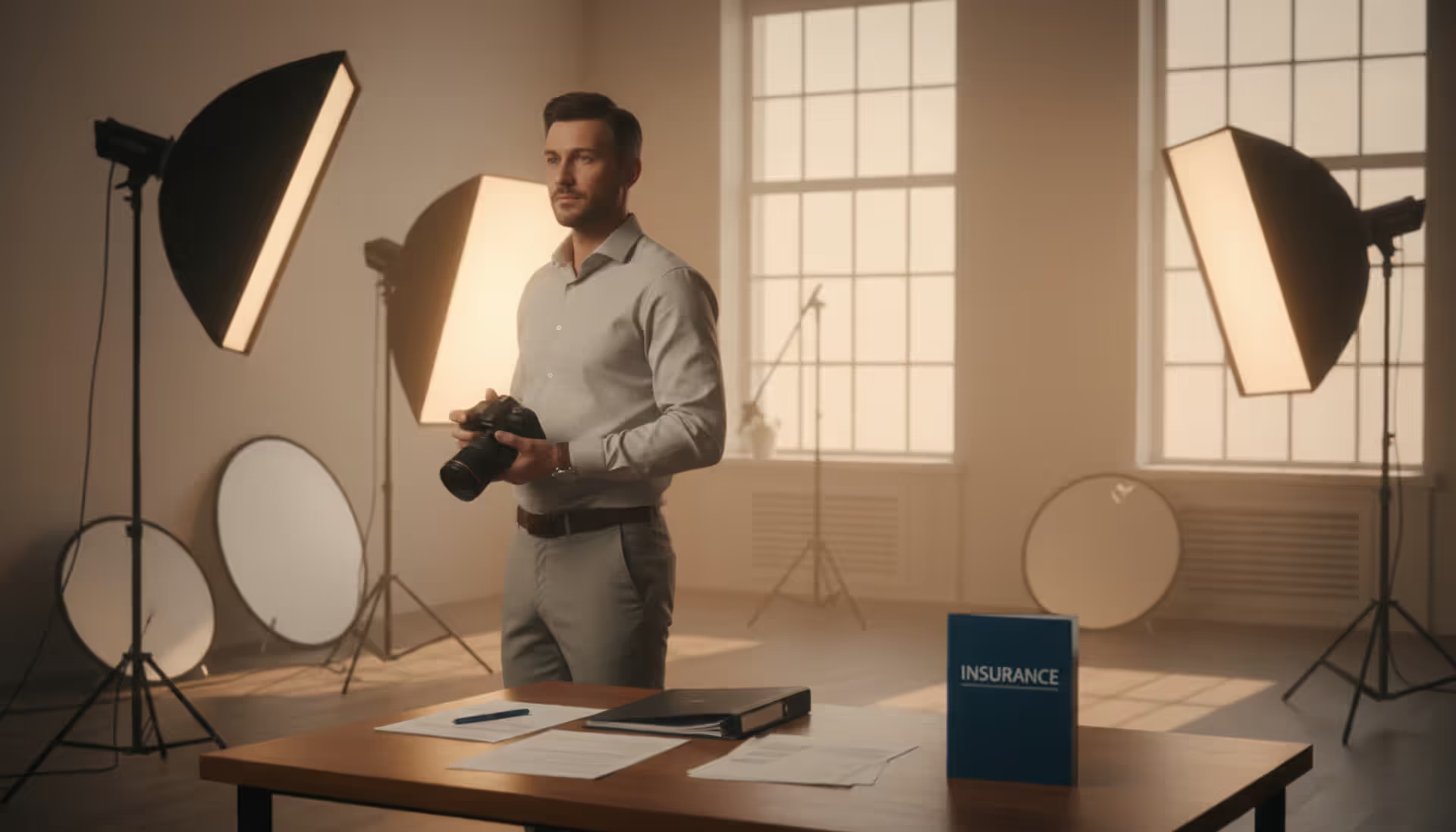
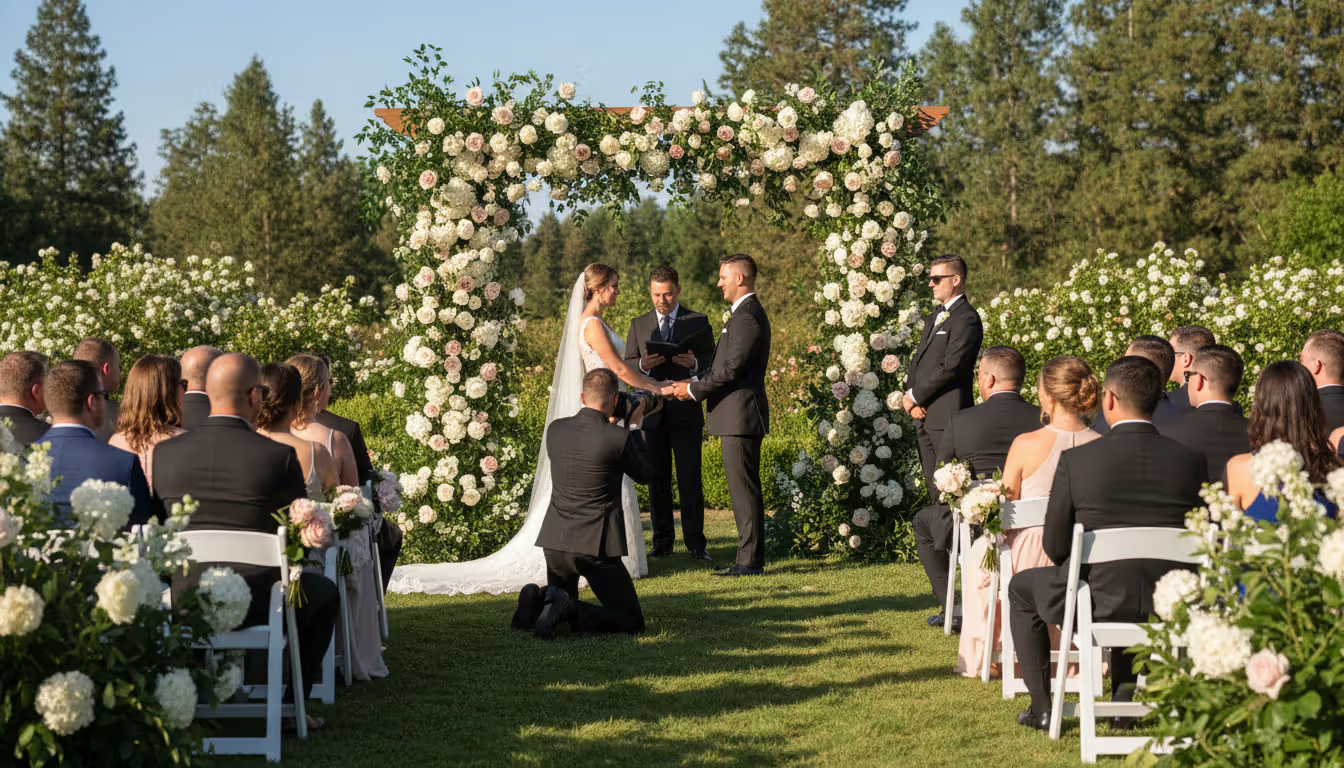
Running a photography business means managing more than just your camera settings and client schedules. Whether you're shooting weddings, corporate events, or family portraits, your business faces real financial risks every day. A single lawsuit, equipment theft, or accidental injury at a shoot can cost tens of thousands of dollars—enough to shut down a small operation permanently.
Photography business insurance protects your livelihood when things go wrong. Unlike personal camera coverage or homeowner's policies, business insurance addresses the unique exposures photographers face: client disputes, damaged venue property, lost wedding photos, and equipment failures during paid assignments.
What Is Photography Business Insurance?
Photography business insurance is specialized commercial coverage designed to protect professional photographers from financial losses related to their business operations. It covers scenarios that personal insurance policies explicitly exclude once you're earning income from photography.
The most common risks photographers face include equipment damage or theft, liability claims from clients or third parties, and professional errors that result in financial loss for clients. For example, if a guest trips over your light stand at a wedding reception and breaks their wrist, you could face a lawsuit demanding medical expenses, lost wages, and pain and suffering damages. Without proper coverage, you'd pay these costs out of pocket—along with legal defense fees that often exceed $10,000 even when you win the case.
Copyright infringement claims represent another growing exposure. If a client alleges you used their photos beyond the agreed scope or if someone claims you copied their creative work, professional liability insurance helps cover your legal defense. Equipment insurance becomes critical when you consider that a working photographer might carry $15,000 to $40,000 worth of gear to a single event.
Business insurance for photographers also protects against less obvious scenarios: data breaches that expose client information, accidental damage to rented studio space, or injuries to assistants working on your shoots. The right coverage ensures that one bad day doesn't erase years of hard work building your reputation and client base.
The bitterness of poor quality remains long after the sweetness of low price is forgotten
— Benjamin Franklin
Types of Coverage Every Photographer Should Consider
General Liability Insurance
General liability forms the foundation of business insurance for photographers. This coverage protects you when your business operations cause bodily injury or property damage to others. If you knock over an expensive vase while setting up for a portrait session, or if a client slips on your studio floor, general liability pays for the damages and legal costs.
Most venue contracts and corporate clients require proof of general liability coverage before they'll hire you. Wedding venues typically demand at least $1 million in coverage, and some high-end locations require $2 million. The policy covers your legal defense even when claims are groundless, which matters because frivolous lawsuits still cost money to fight.
General liability also includes "personal and advertising injury" coverage, protecting you if someone claims your marketing materials defamed them or violated their privacy rights. This becomes relevant when you publish client photos for promotional purposes.
Equipment Insurance
Equipment insurance—also called inland marine coverage—protects your cameras, lenses, lighting, computers, and other business property against theft, damage, and loss. Unlike homeowner's policies that exclude business use, equipment insurance covers your gear whether it's in your studio, your vehicle, or at a client location.
This coverage typically operates on a replacement cost basis, meaning you receive enough to buy new equipment of similar quality rather than depreciated value. Some policies cover rental equipment you're using temporarily, which helps when you need specialty gear for specific projects.
Pay attention to coverage limits and whether the policy includes "mysterious disappearance." Some insurers only cover theft when there's evidence of forced entry, which doesn't help if you leave a lens at a venue and it vanishes. Better policies cover unexplained loss, though they may charge higher premiums.
Professional Liability Insurance
Professional liability insurance—often called errors and omissions (E&O) coverage—protects you when clients claim your professional services caused them financial harm. For photographers, this typically involves allegations like failing to deliver promised photos, missing key moments at events, or delivering unusable images due to technical errors.
Imagine shooting a wedding where your camera's memory card corrupts, losing half the ceremony photos. The couple might sue for the cost of restaging photos, hiring another photographer, and emotional distress. Professional liability covers your legal defense and any settlement or judgment, up to your policy limits.
This coverage also addresses copyright disputes, licensing disagreements, and claims that you failed to obtain necessary model releases. Insurance small photography business owners sometimes skip this coverage to save money, but a single claim can easily exceed $50,000 when you factor in legal fees and settlements.
Author: Samantha Corbett;
Source: maryelizabethphoto.com
Business Owner's Policy (BOP)
A Business Owner's Policy bundles general liability, equipment coverage, and business interruption insurance into one package, usually at a lower cost than buying each separately. BOPs work well for photographers with studios or significant equipment investments.
Business interruption coverage within a BOP pays for lost income if a covered event forces you to suspend operations. If a fire damages your studio and you can't shoot for two months, the policy replaces your lost revenue and covers ongoing expenses like rent and loan payments.
BOPs typically include some coverage for business personal property at your location, though you'll need to schedule high-value equipment separately. The bundled approach simplifies insurance management—one policy, one renewal date, one deductible structure.
Photography Business Insurance Cost Breakdown
Photography business insurance cost varies significantly based on your coverage needs, business size, and risk profile. Understanding typical price ranges helps you budget appropriately and recognize when quotes seem unreasonably high or suspiciously low.
Client lawsuits for professional errors, missed shots
$500–$1,200
Wedding, event, and commercial photographers
Business Owner's Policy
Bundled general liability, equipment, business interruption
$800–$1,800
Studio owners and full-time professionals
Umbrella Policy
Additional liability above base policy limits
$300–$600 for $1M extra
High-revenue businesses and wedding photographers
Part-time photographers with minimal equipment might spend $600 annually for basic coverage, while established studios with employees and extensive gear can pay $3,000 to $5,000 yearly for comprehensive protection.
The cost difference comes down to exposure. A photographer shooting occasional family portraits on weekends presents less risk than someone photographing 40 weddings annually with $50,000 in equipment. Insurers price policies accordingly, which is why two photographers in the same city might receive quotes that differ by 200% or more.
What Affects Your Insurance Premiums
Your photography business insurance cost depends on several risk factors that insurers evaluate when calculating premiums. Understanding these variables helps you anticipate costs and identify opportunities to reduce rates.
Annual revenue significantly impacts pricing because higher revenue typically correlates with more jobs, more client interactions, and greater exposure to claims. A photographer earning $30,000 annually will pay less than one generating $150,000, even with identical coverage limits.
Location matters more than many photographers realize. Operating in New York City or Los Angeles costs substantially more than working in rural Montana due to higher litigation rates, medical costs, and equipment theft in urban areas. Some insurers add surcharges for specific high-cost states.
Author: Samantha Corbett;
Source: maryelizabethphoto.com
Coverage limits directly affect premiums—doubling your liability limit from $1 million to $2 million might increase costs by 30% to 50%. Higher limits make sense when you work with high-net-worth clients or at expensive venues where potential damages could exceed standard limits.
Your claims history follows you between insurers. Even one claim can raise premiums by 20% to 40% for several years. Photographers with clean records for five years or more often qualify for claims-free discounts.
The type of photography work you do changes your risk profile dramatically. Wedding photographers face higher professional liability exposure than product photographers because missing unrepeatable moments carries severe consequences. Drone photography, underwater shoots, and adventure photography all command premium surcharges due to increased risk.
Having employees adds workers' compensation requirements in most states, plus additional liability exposure. Each employee typically adds $500 to $1,500 to annual insurance costs depending on their role and your state's workers' comp rates.
How to Choose the Right Insurance for Your Photography Business
Start by inventorying your actual risks rather than buying coverage based on what other photographers recommend. A wedding photographer needs different protection than someone shooting real estate listings. List your equipment value, typical job locations, client types, and revenue sources.
Request quotes from at least three insurers, but make sure you're comparing equivalent coverage. A $600 policy with a $5,000 deductible and $500,000 liability limit costs less than an $800 policy with a $1,000 deductible and $1 million limit, but it's not a better deal. Create a spreadsheet comparing deductibles, limits, exclusions, and premium costs.
Read policy exclusions carefully—they matter more than what's covered. Some policies exclude damage to property you're working on, which becomes problematic if you accidentally scratch a client's antique table while shooting product photos. Others exclude coverage for any work involving drones or exclude specific types of events.
Work with insurers or brokers who specialize in photographer coverage rather than general business insurance agents. Specialized providers understand your unique risks and offer tailored policies. They know that photographers need worldwide coverage for destination weddings, or that equipment coverage should include items temporarily in your vehicle.
Ask about coverage for rented equipment, digital data recovery, and hired/non-owned auto liability if you use your personal vehicle for business. These endorsements cost little but close important gaps.
Review your coverage annually as your business evolves. Adding a second shooter, buying new equipment, or expanding into commercial work all require coverage adjustments. Underinsuring creates false economy—you pay premiums but lack adequate protection when you actually need it.
Common Insurance Mistakes Photographers Make
Many photographers underinsure their equipment by thousands of dollars. They insure only their primary cameras and lenses while forgetting about lighting equipment, computers, hard drives, and accessories. When theft occurs, they discover their $25,000 gear collection was only insured for $10,000.
Skipping professional liability because "I'm careful" represents dangerous thinking. Careful photographers still experience memory card failures, accidentally delete files, or face clients with unrealistic expectations who sue anyway. The cost of one uninsured claim dwarfs years of premium payments.
Author: Samantha Corbett;
Source: maryelizabethphoto.com
Assuming your homeowner's or renter's policy covers business equipment is perhaps the most common mistake. These policies typically exclude or severely limit coverage for property used in business. Even when they provide some coverage, they won't cover liability from business operations.
Failing to update coverage as your business grows leaves you underinsured at the worst time. You started with $5,000 in equipment coverage three years ago, but now you own $20,000 in gear. If you haven't updated your policy, you'll only recover $5,000 after a total loss.
Not reading venue contracts carefully can lead to inadequate coverage. You might carry $1 million in general liability, but the contract requires $2 million plus the venue listed as "additional insured." Showing up without proper coverage can mean losing the booking and your deposit.
Choosing the cheapest policy without comparing coverage creates a false sense of security. That $300 annual policy might have a $10,000 deductible, exclude professional liability, and limit equipment coverage to only items in your studio—not the gear you actually take to jobs.
Frequently Asked Questions About Photography Business Insurance
Do I need insurance if I only do photography part-time?
Yes, part-time photographers face the same liability risks as full-time professionals. If someone trips over your equipment or a client sues over missed photos, your part-time status won't reduce the damages you owe. Many insurers offer affordable policies specifically designed for part-time or hobbyist photographers earning under $25,000 annually. These policies typically cost $400 to $800 yearly and provide essential protection without breaking your budget.
Does my homeowner's insurance cover my photography equipment?
Homeowner's policies typically exclude or severely limit coverage for business property and business-related liability. Most homeowner's policies cap business equipment coverage at $2,500 or less, and they won't cover equipment damaged while you're using it for paid work. More importantly, they provide zero liability protection if someone is injured during a paid photography session. You need dedicated business insurance for photographers to properly protect both your equipment and your liability exposure.
What's the difference between general liability and professional liability?
General liability covers bodily injury and property damage your business causes to others—like a client tripping over your camera bag or damaging a venue's wall while moving equipment. Professional liability covers financial harm from your professional services—like a client suing because you failed to capture key wedding moments or delivered unusable photos. You need both types of coverage because they address completely different risks. General liability won't cover claims about your photography work quality, and professional liability won't cover someone's broken ankle from your equipment.
How much does photography business insurance typically cost?
Photography business insurance cost ranges from $600 to $3,000 annually depending on your coverage needs and risk factors. A part-time photographer with $10,000 in equipment and basic liability coverage might pay $600 to $1,000 yearly. Full-time wedding photographers with $30,000 in gear, professional liability, and higher limits typically pay $1,500 to $2,500 annually. Studio owners with employees and comprehensive coverage can pay $3,000 or more. Your specific cost depends on revenue, location, equipment value, coverage limits, and the types of photography you do.
Can I get insurance that covers destination weddings or travel photography?
Yes, most photography business insurance policies include worldwide coverage for your equipment and liability, though you should verify this explicitly with your insurer. Some policies restrict international coverage or require notification before foreign travel. If you regularly shoot destination weddings or international assignments, look for policies that specifically include worldwide coverage without geographic restrictions. You may need additional coverage for equipment in checked luggage or specialized liability protection for certain countries.
What happens if a client sues me for copyright infringement?
Professional liability insurance typically covers copyright infringement claims, including your legal defense costs and any settlement or judgment. This protection works both ways—it covers claims that you infringed someone else's copyright and claims that you violated your client's copyright by using their photos beyond your agreed scope. However, coverage usually excludes intentional infringement. If you knowingly stole another photographer's work, your insurer will likely deny the claim. For legitimate disputes about usage rights, model releases, or licensing terms, professional liability provides essential protection against potentially devastating legal costs.
Photography business insurance isn't an optional expense—it's a fundamental business requirement that protects everything you've built. The relatively small annual cost of comprehensive coverage pales in comparison to the financial devastation of a single uninsured lawsuit or equipment loss.
The right insurance strategy matches your actual risk profile. Wedding photographers need robust professional liability and equipment coverage. Studio owners benefit from Business Owner's Policies that bundle multiple protections. Part-time photographers can start with basic general liability and equipment insurance, then expand coverage as their business grows.
Don't wait until you face a claim to discover coverage gaps. Review your policies now, compare your coverage against the risks outlined in this guide, and make adjustments before you need them. Work with specialized insurers who understand photographer-specific exposures, read your policy exclusions carefully, and update your coverage whenever your business changes significantly.
Your photography business represents years of skill development, equipment investment, and reputation building. Proper insurance ensures that one accident, lawsuit, or equipment loss won't erase that progress. The peace of mind alone—knowing you can focus on creating great work rather than worrying about catastrophic financial risks—makes comprehensive coverage worthwhile.
Wedding photographers face unique risks requiring specialized insurance coverage. Learn about liability protection, equipment coverage, one-day vs. annual policies, venue requirements, and how to choose insurance that protects your business from lawsuits, equipment loss, and professional errors
Running a photography business means investing thousands in gear and facing liability risks at venues and events. The right insurance protects your equipment and livelihood when accidents happen. Learn what coverage you need, costs by business type, and mistakes to avoid
Photography insurance costs range from $200 to $2,000+ annually depending on your business size and coverage needs. This comprehensive guide breaks down average costs by photographer type, explains factors affecting quotes, and shows you how to compare policies effectively while avoiding common mistakes
Photography insurance protects your business from lawsuits, equipment loss, and professional liability claims. Learn what coverage photographers need, how much policies cost, and how to choose the right protection for your specialty—from wedding photography to commercial work
The content on this website is provided for general informational and educational purposes only. It is intended to explain concepts related to running a photography business, insurance coverage, marketing, websites, and professional development.
All information on this website, including articles, guides, and examples, is presented for general educational purposes. Outcomes may vary depending on business size, location, and individual choices.
This website does not provide professional legal, insurance, financial, or business advice, and the information presented should not be used as a substitute for consultation with qualified professionals.
The website and its authors are not responsible for any errors or omissions, or for any outcomes resulting from decisions made based on the information provided on this website.