Property listings with professional photography receive 118% more online views than those with amateur shots, yet thousands of sellers and agents still rely on smartphone cameras or hire the wrong photographer. The difference between a property sitting on the market for months and selling within days often comes down to one decision: who captures the images that represent your most valuable asset.
Choosing the right photographer requires understanding what separates competent work from exceptional results, knowing which services match your property type, and recognizing red flags before signing a contract. Whether you're listing a suburban home or a 50,000-square-foot commercial building, the photographer you select will directly influence buyer interest, offer prices, and time on market.
What Real Estate Photographers Do and Why They Matter
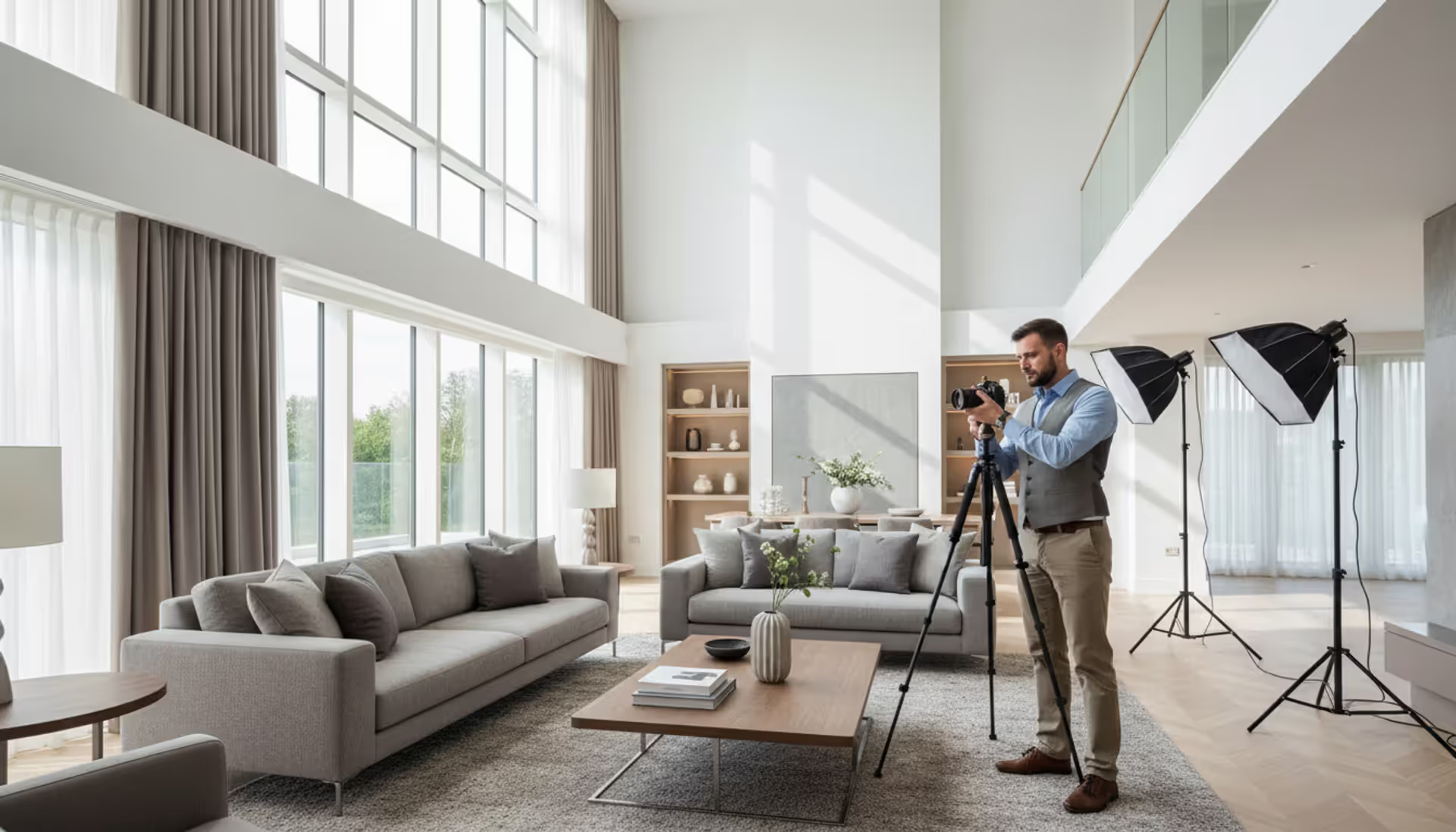
Real estate photographers specialize in capturing properties in ways that highlight architectural features, maximize perceived space, and create emotional appeal. Unlike general photographers, they understand how lighting affects room dimensions in photos, which angles minimize flaws, and how to stage shots that guide a viewer's eye through a space logically.
The technical gap between amateur and professional work shows up immediately. A homeowner with an iPhone might capture a living room, but the image will likely include color casts from mixed lighting, distorted walls from improper lens choice, and cluttered compositions that shrink the space visually. Professional real estate photographers arrive with wide-angle lenses calibrated to avoid distortion, external lighting to balance window glare, and compositional training that turns a 12×15 room into an inviting space rather than an empty box.
Impact on sales outcomes is measurable. Properties with professional photography sell 32% faster on average and command prices 3–5% higher than comparable listings with amateur images. For a $400,000 home, that translates to $12,000–$20,000 in additional value—far exceeding the $200–$500 cost of hiring a skilled photographer. Buyers form impressions within three seconds of viewing a listing photo; if those first images fail to impress, they scroll past without reading property details or scheduling tours.
Professional photographers also understand the platform requirements. Images for Zillow need different cropping than those for Instagram Stories. MLS systems have specific dimension and file-size requirements. A competent photographer delivers files optimized for each channel, while amateurs often provide unusable formats that require expensive corrections or re-shoots.
Author: Caleb Renshaw;
Source: maryelizabethphoto.com
Types of Real Estate Photography Services
Residential vs. Commercial Real Estate Photographers
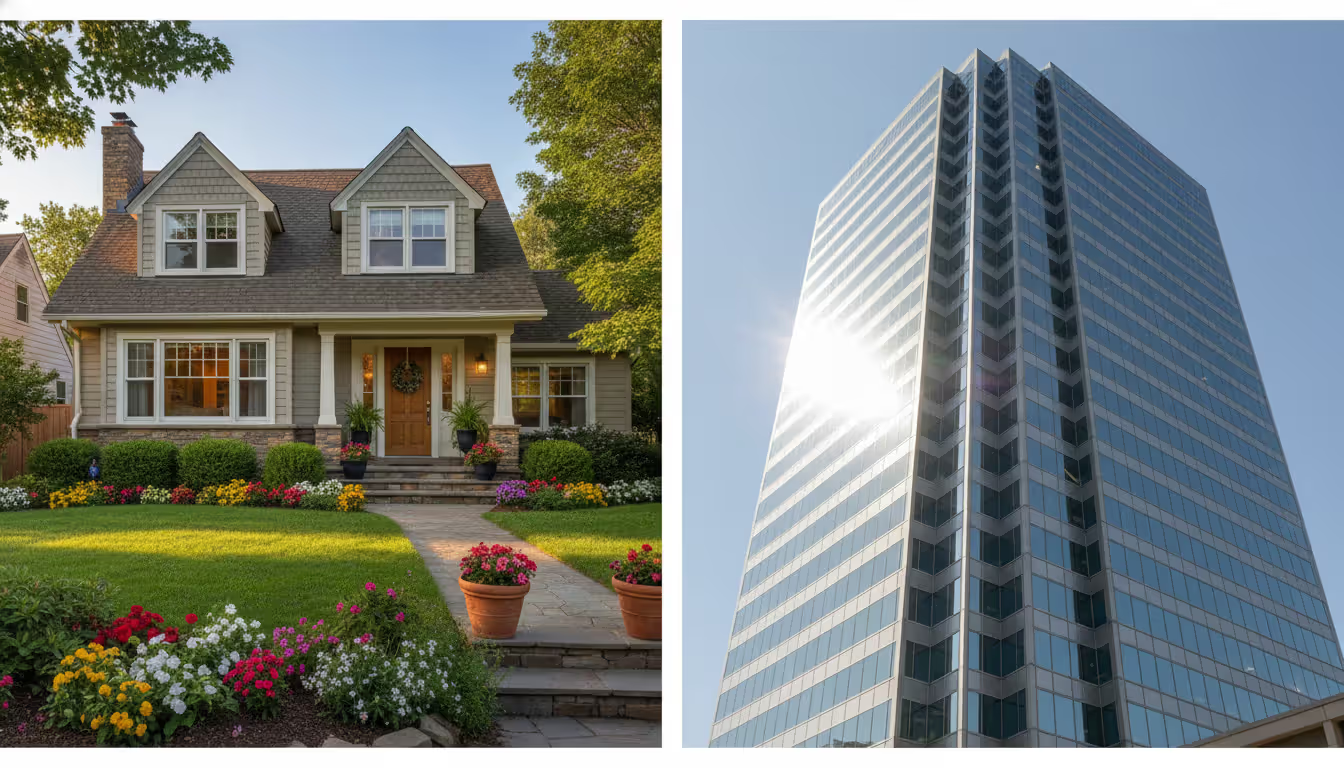
Residential and commercial photographers operate in different worlds despite superficial similarities. Residential photographers focus on emotional storytelling—making kitchens feel warm, bedrooms restful, and outdoor spaces inviting. They shoot homes ranging from 900-square-foot condos to 8,000-square-foot estates, typically completing sessions in 1–3 hours and delivering 25–50 edited images.
Commercial real estate photographers tackle office buildings, retail centers, industrial warehouses, and mixed-use developments. Their work emphasizes functionality, scale, and business potential. A commercial shoot might require capturing loading docks, HVAC systems, parking ratios, and floor-plate efficiency—details irrelevant in residential work. These projects often span multiple days, involve coordination with property managers and tenants, and produce 100+ images plus floor plans and aerials.
Equipment differs substantially. Residential photographers can succeed with a full-frame camera, 16–35mm lens, and portable strobes. Commercial photographers need tilt-shift lenses to correct perspective on tall buildings, high-resolution cameras for large-format prints, and professional lighting kits to illuminate 15-foot ceilings. Many commercial specialists also hold drone certifications and carry liability insurance exceeding $2 million—requirements rarely necessary for residential work.
Hiring the wrong type creates problems. A residential photographer asked to shoot a 40,000-square-foot office building will struggle with scale and technical requirements. A commercial photographer shooting a cozy bungalow might produce technically perfect but emotionally sterile images. Match the specialist to your property category.
Author: Caleb Renshaw;
Source: maryelizabethphoto.com
Real Estate Photography Retouching and Editing Services
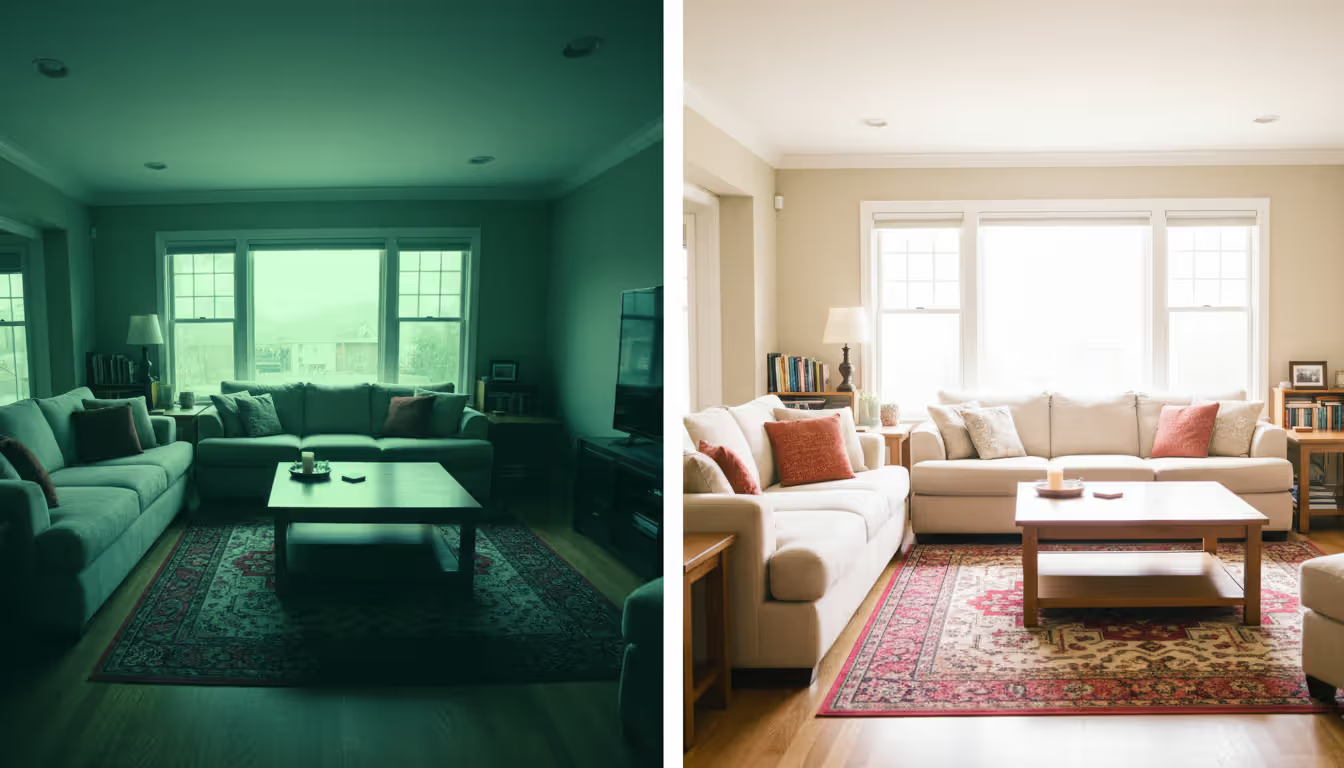
Raw camera files always require editing—the question is who performs it and to what standard. Professional real estate photography retouching transforms good shots into exceptional marketing assets through color correction, exposure blending, perspective adjustment, and selective enhancement.
Many photographers handle editing in-house, building it into their package price. This ensures stylistic consistency and faster turnaround since no handoff occurs. In-house editing typically takes 24–48 hours and includes standard corrections: straightening verticals, brightening interiors, enhancing sky detail, and removing minor distractions like trash cans or electrical cords.
Some photographers outsource to specialized real estate photo editing services, particularly when handling high volumes. These services employ editors who process hundreds of property images weekly, developing exceptional speed and consistency. Outsourcing allows photographers to shoot more properties daily rather than spending evenings editing, but introduces a delay—turnaround extends to 48–72 hours and requires clear communication about editing standards.
Advanced retouching goes beyond basic corrections. Virtual staging digitally furnishes empty rooms, costing $25–$75 per image versus $2,000+ for physical staging. Twilight conversions transform daytime exteriors into dramatic dusk shots with glowing windows and rich blue skies. Object removal eliminates cars, power lines, or renovation debris. Sky replacement swaps gray overcast with vibrant blue. Item removal costs $10–$40 per image depending on complexity.
Quality standards vary wildly. Amateur editing produces over-saturated colors, unnatural HDR halos, and obvious cloning artifacts. Professional work appears natural—viewers should feel the space looks better than reality without detecting specific manipulations. Request before-and-after samples to evaluate editing quality before hiring.
Turnaround time matters for active listings. A photographer who takes seven days to deliver edited images costs you a week of marketing opportunity. Standard turnaround is 24–48 hours for residential, 3–5 days for commercial projects. Rush service (same-day or next-day delivery) typically adds 25–50% to the base price but proves worthwhile when listing deadlines loom.
How to Find Local Real Estate Photographers
Finding qualified local real estate photographers starts with targeted searches, not generic Google queries. Searching "real estate photographers" returns thousands of results, many irrelevant. Instead, search "real estate photographers [your city]" or "architectural photographers [your county]" to filter for professionals actually serving your area. Proximity matters—photographers charging travel fees for distant locations inflate costs unnecessarily.
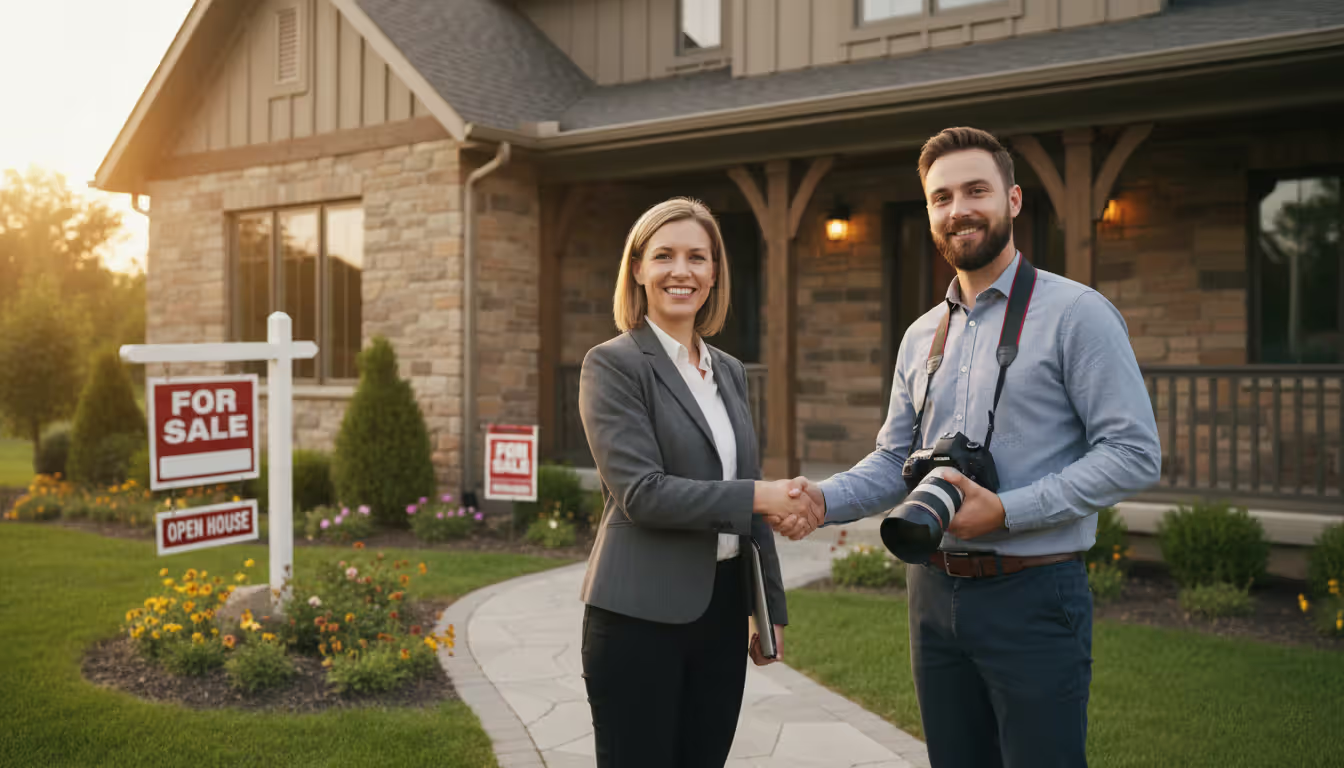
Real estate agent referrals provide pre-vetted options. Top-producing agents work with photographers repeatedly, creating accountability that online freelancers lack. Ask agents which photographers they use for luxury listings versus entry-level properties—different specialists often serve different market segments. Agents also know which photographers meet deadlines reliably, a factor invisible in online portfolios.
Author: Caleb Renshaw;
Source: maryelizabethphoto.com
Portfolio review reveals more than technical skill. Look for properties similar to yours in size, style, and price point. A photographer who excels at modern minimalist condos might struggle with traditional colonials. Check whether portfolios show variety in lighting conditions—can they handle dark interiors, bright white kitchens, and mixed-light spaces equally well? Portfolios displaying only perfect conditions suggest limited problem-solving ability.
Platform-specific searches help. Zillow and Realtor.com listings often credit photographers in image metadata or agent notes. Browse high-performing listings in your area and identify patterns—if the same photographer appears on multiple premium properties, they've earned agent trust. Instagram hashtags like #[yourcity]realestate or #[state]realestatephotography surface local specialists showcasing recent work.
Questions to ask during vetting:
How many property shoots do you complete monthly? (Consistency indicates experience; more than 30/month might mean rushed work.)
What's included in your base package? (Number of images, editing level, turnaround time, usage rights.)
Do you carry liability insurance? (Essential—uninsured photographers create risk if equipment damages property.)
Can you provide three recent client references? (Verify reliability and professionalism beyond portfolio quality.)
What happens if weather delays an exterior shoot? (Rescheduling policies matter for time-sensitive listings.)
Do you offer twilight, drone, or video services? (Bundling saves money versus hiring multiple vendors.)
Avoid photographers who can't articulate their editing process, refuse to show raw files alongside edited versions, or pressure immediate booking without allowing portfolio review. Red flags include watermarked portfolio images (suggests insecurity about theft), websites unchanged in years (indicates inactive business), or reluctance to discuss equipment and backup plans.
What to Look for in the Best Real Estate Photographers
Equipment quality separates hobbyists from professionals, though gear alone doesn't guarantee results. The best real estate photographers shoot with full-frame cameras (Canon R5, Sony A7R series, Nikon Z7) producing 40+ megapixel files that withstand cropping and large-format printing. Wide-angle lenses in the 14–24mm range capture room context without distortion. Off-camera lighting—strobes, continuous LEDs, or flash systems—balances ambient and artificial light sources.
Backup equipment proves professionalism. Cameras fail, memory cards corrupt, and batteries die. Photographers arriving with single cameras risk canceling shoots mid-session. Professionals carry duplicate bodies, extra lenses, backup lighting, and redundant memory cards. Ask directly: "What's your backup plan if your primary camera fails during my shoot?" Competent answers describe specific redundant systems.
Experience level correlates with problem-solving ability. A photographer with 50 shoots completed has encountered challenging layouts, difficult lighting, and last-minute complications. They've learned which angles work in galley kitchens, how to minimize clutter in occupied homes, and when to schedule shoots for optimal natural light. Beginners with impressive portfolios might have shot only ideal conditions—their first encounter with a dark basement or awkward floor plan becomes your problem.
Style consistency matters more than variety. Review 20–30 images from a photographer's portfolio. Do colors feel consistent? Are verticals straight in every shot? Does editing appear natural or over-processed? Inconsistency suggests the photographer hasn't developed a reliable workflow—your images might look dramatically different from their portfolio depending on their mood or time pressure that day.
Licensing and insurance protect you from liability. Professional photographers carry general liability insurance ($1–2 million coverage) protecting property owners if equipment damages floors, walls, or furnishings. Commercial photographers add errors-and-omissions coverage for missed deadlines or unusable deliverables. Request certificates of insurance before shoots—uninsured photographers save money by transferring risk to you.
Client reviews reveal reliability and professionalism invisible in portfolios. Google reviews, Yelp ratings, and agent testimonials highlight whether photographers arrive on time, communicate clearly, and deliver promised results. Patterns matter more than individual complaints—one negative review among fifty positives might reflect an unreasonable client, but ten complaints about missed deadlines indicate systemic problems.
Pricing transparency builds trust. The best real estate photographers publish clear package details: how many images, what editing is included, turnaround time, usage rights, and additional service costs. Photographers requiring phone calls to discuss "custom pricing" often charge inconsistently or inflate rates based on perceived client budgets. Transparent pricing lets you compare value accurately.
The photographers who consistently deliver exceptional results share one trait: they ask detailed questions before the shoot. They want to know the property's best features, target buyer demographics, and listing timeline. Photographers who show up without context produce generic images that could represent any property
— Jennifer Martinez
Cost Factors and What You'll Pay
Real estate photographers charge based on property size, location, service level, and market conditions. Understanding pricing structures helps you budget accurately and recognize when quotes seem unreasonably high or suspiciously low.
Residential photography typically costs $150–$500 for properties under 3,000 square feet. Basic packages ($150–$250) include 20–30 edited images, standard turnaround (48 hours), and limited revisions. Mid-tier packages ($250–$400) add 35–50 images, faster turnaround (24 hours), and may include twilight exteriors or basic aerials. Premium packages ($400–$500+) deliver 50+ images, same-day turnaround, advanced editing, and multiple property visits if needed.
Luxury residential properties exceeding 5,000 square feet command $600–$1,500. These estates require more shooting time (3–6 hours versus 1–2 hours), produce more images (75–150), and demand meticulous attention to high-end finishes and architectural details. Photographers specializing in luxury work often include twilight shoots, aerial photography, and advanced retouching as standard.
Commercial photography pricing jumps significantly: $500–$2,500 for small office buildings or retail spaces, $2,500–$10,000+ for large industrial complexes or multi-building campuses. Commercial shoots consume full days, require coordination with multiple stakeholders, and produce extensive deliverables including detail shots, wide establishing images, and tenant-space documentation.
Service Type
Turnaround Time
Average Cost
Best For
Pros & Cons
In-House Photographer
24–48 hours
$200–$500 (residential), $800–$3,000 (commercial)
Most properties; agents needing consistent style
Pros: Stylistic consistency, direct communication, faster turnaround. Cons: Higher per-shoot cost, limited availability during peak seasons
Freelance Photographer
48–72 hours
$150–$400 (residential), $500–$2,000 (commercial)
Budget-conscious sellers, lower-priced properties
Pros: Lower cost, flexible scheduling. Cons: Variable quality, less accountability, may lack insurance
Photo Editing Service
24–48 hours (editing only)
$1.50–$5 per image
Photographers outsourcing editing; DIY shooters needing professional finishing
Pros: Specialized expertise, scalable for high volumes. Cons: Requires photographer to capture properly, no re-shoot option if source images fail
Additional fees commonly include:
Drone/aerial photography: $75–$300 depending on property size and shot complexity
Twilight photography: $100–$250 for exterior dusk shots
Video walkthrough: $200–$800 for 2–5 minute edited tours
3D virtual tours (Matterport): $150–$400 for scanning and hosting
Rush delivery (same-day): 25–50% premium over base price
Virtual staging: $25–$75 per room
Advanced retouching: $10–$40 per image for object removal, sky replacement, etc.
Geographic location influences pricing substantially. Photographers in San Francisco, New York, or Los Angeles charge 30–60% more than those in smaller markets due to higher operating costs and demand. A shoot costing $200 in Indianapolis might run $350 in Seattle for identical services.
What's typically included in base packages: travel within 15–25 miles, basic editing (exposure correction, color balance, perspective adjustment), online gallery for downloading, and full commercial usage rights for marketing the property. Clarify usage rights explicitly—some photographers restrict image use to the listing period, requiring additional payment for portfolio use or long-term marketing materials.
Beware pricing that seems too good. Photographers charging $75 for full shoots either lack experience, cut corners on editing, or operate as hobbyists without insurance or backup equipment. When shoots go wrong—and eventually they will—uninsured amateurs disappear rather than making situations right. The $150 you saved becomes $1,500 in lost marketing time and re-shoot costs.
Common Mistakes When Hiring a Real Estate Photographer
Choosing based solely on price creates expensive problems. The cheapest photographer often delivers the lowest quality, requiring re-shoots that cost more than hiring competent professionals initially. A $100 photographer who produces unusable images costs more than a $300 photographer whose work sells properties. Price should factor into decisions, but only after verifying quality, reliability, and appropriate insurance coverage.
Ignoring turnaround time derails listing schedules. Photographers taking seven days to deliver images might offer attractive pricing, but that week of delay costs marketing momentum. Properties generate maximum interest in the first 72 hours after listing—delayed photography means launching with inferior images or postponing the listing entirely. Always confirm delivery timelines in writing and build buffer time for unexpected delays.
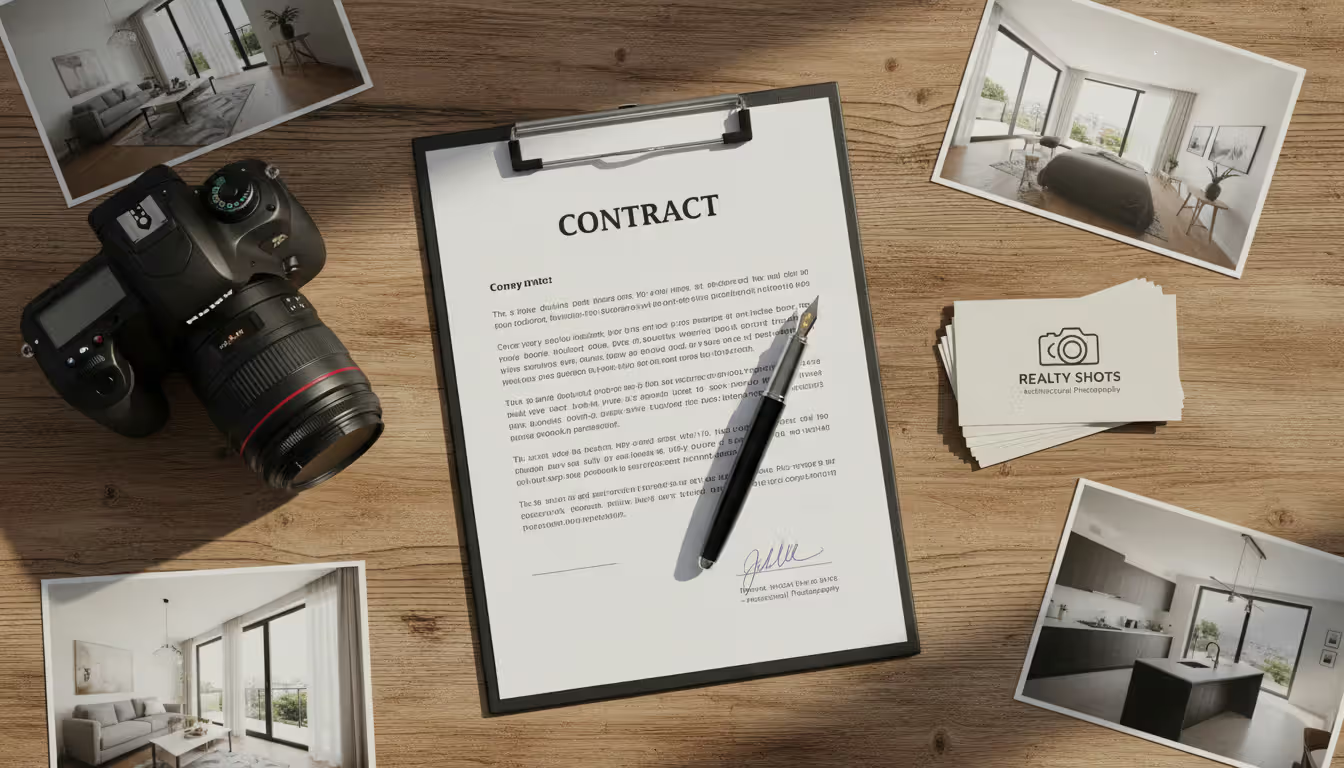
Skipping contract details invites disputes. Verbal agreements about image counts, editing levels, and usage rights become he-said-she-said arguments when expectations mismatch reality. Written contracts should specify: exact number of edited images, turnaround time with penalties for delays, what's included in base price versus additional fees, cancellation policies, and image usage rights. Photographers refusing written agreements lack professionalism.
Author: Caleb Renshaw;
Source: maryelizabethphoto.com
Not reviewing full portfolios leads to surprises. A photographer's website might showcase their ten best images from 500 shoots—hardly representative of typical output. Request to see complete galleries from three recent projects similar to yours. Full galleries reveal consistency, editing standards, and how photographers handle less-than-ideal conditions. Portfolios showing only perfect rooms in perfect light don't demonstrate real-world competence.
Failing to verify insurance and licensing creates liability. If an uninsured photographer's tripod scratches hardwood floors or a light stand breaks a window, you're responsible for repairs. Commercial shoots in occupied buildings require insurance—tenants and property managers won't allow uninsured contractors on-site. Always request certificates of insurance before shoots, and verify they're current (policies lapse).
Booking too close to listing dates eliminates flexibility. Photographers' schedules fill weeks in advance during peak selling seasons (spring and early summer). Booking three days before you want to list means accepting whoever has availability—rarely the best choice. Schedule photography 2–3 weeks ahead, allowing time for weather delays, rescheduling if needed, and proper property preparation.
Neglecting property preparation wastes photography investment. Even exceptional photographers can't overcome cluttered counters, unmade beds, or overgrown landscaping. Properties should be cleaned, decluttered, and staged before photographers arrive. Expecting photographers to "fix it in post" adds editing costs and delays delivery. Thirty minutes of preparation saves hours of editing and produces superior results.
Frequently Asked Questions About Real Estate Photographers
How much do real estate photographers charge?
Residential photography typically ranges from $150–$500 for standard homes, with luxury properties commanding $600–$1,500. Commercial real estate photographers charge $500–$10,000+ depending on property size and complexity. Prices vary by location—urban markets cost 30–60% more than rural areas. Additional services like drone photography ($75–$300), twilight shots ($100–$250), and virtual staging ($25–$75 per room) add to base costs. Always request itemized quotes showing what's included versus optional add-ons.
Do real estate photographers edit photos themselves?
Many handle real estate photography retouching in-house, building editing into package prices and delivering finished images within 24–48 hours. Others outsource to specialized real estate photo editing services, particularly when managing high shoot volumes. Outsourcing extends turnaround to 48–72 hours but maintains consistent quality through dedicated editors. Ask photographers directly about their editing workflow—in-house editing offers faster delivery and direct communication about revisions, while outsourced editing provides specialized expertise and scalability.
What's the difference between residential and commercial real estate photographers?
Residential photographers focus on emotional appeal, creating warm, inviting images of homes for individual buyers. They complete shoots in 1–3 hours and deliver 25–50 images emphasizing lifestyle and comfort. Commercial real estate photographers emphasize functionality and business potential, documenting office buildings, retail centers, and industrial properties. Their projects span multiple days, produce 100+ images, and require specialized equipment like tilt-shift lenses and high-end lighting. Commercial photographers typically carry higher insurance coverage ($2 million+) and charge significantly more ($500–$10,000 versus $150–$500 for residential).
How do I find local real estate photographers near me?
Start with targeted searches: " real estate photographers" rather than generic terms. Request referrals from top-producing real estate agents who work with photographers repeatedly and can vouch for reliability. Browse high-performing property listings in your area—photographers often receive credit in listing details or image metadata. Review portfolios for properties similar to yours in size and style. Verify insurance coverage, check online reviews, and interview at least three candidates before deciding. Proximity matters—local photographers avoid travel fees and better understand area-specific architectural styles and buyer preferences.
Should I hire a photographer or use a real estate photo editing service?
Hire a photographer for complete service—shooting and editing delivered as a package. This works for most property listings where you need professional images but lack photography skills. Use a real estate photo editing service only if you're a photographer outsourcing editing, a high-volume agent shooting properties yourself, or working with raw files needing professional finishing. Editing services can't fix poorly composed shots, incorrect exposures, or bad lighting—they enhance good source material. For typical sellers and agents, full-service photographers provide better value and results than attempting DIY photography with outsourced editing.
How long does it take to get photos back from a real estate photographer?
Standard turnaround is 24–48 hours for residential properties, 3–5 business days for commercial projects. Photographers handling editing in-house typically deliver faster than those outsourcing to editing services. Rush service (same-day or next-day delivery) costs 25–50% more but proves valuable for time-sensitive listings. Turnaround time should be specified in writing before shoots—verbal estimates create disputes when expectations mismatch reality. Weather delays, reshoots, or extensive retouching requests extend timelines. Always build buffer time between photography and planned listing dates to accommodate unexpected delays.
Selecting the right real estate photographer determines whether your property generates immediate buyer interest or languishes unseen in search results. The decision requires evaluating technical competence, matching specialists to property types, verifying insurance and reliability, and understanding true cost versus apparent savings.
Professional photography isn't an expense—it's an investment returning multiples through faster sales and higher offers. A $300 photography package that sells a property three weeks faster saves thousands in carrying costs while capturing buyer attention during peak interest windows. The best real estate photographers combine technical expertise with market understanding, delivering images that don't just document spaces but compel action.
Start your search early, review complete portfolios rather than highlight reels, verify credentials and insurance, and prioritize proven reliability over bottom-dollar pricing. The photographer you choose becomes your property's first impression—make it count.
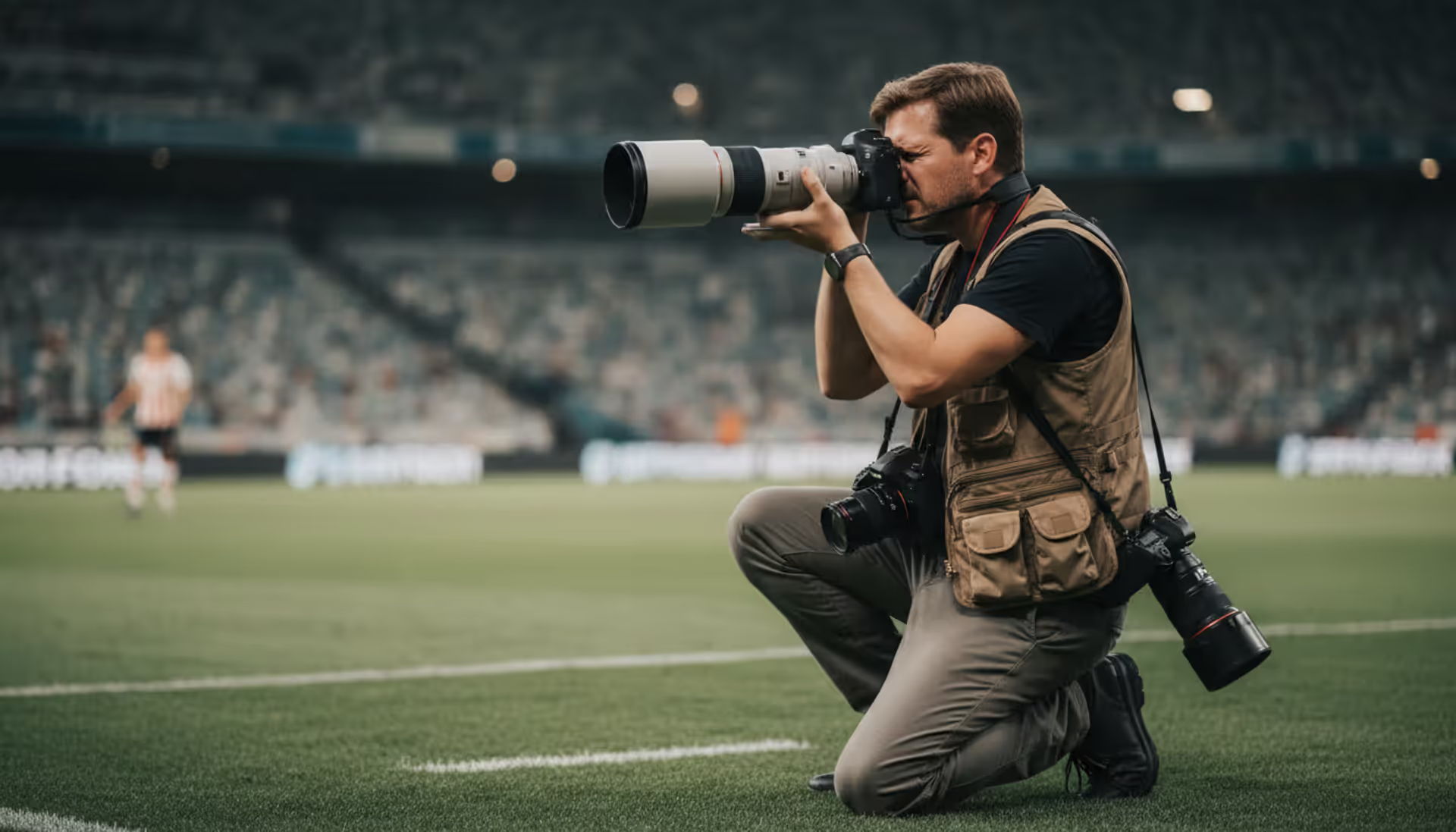
ports photography captures athletes in motion, freezing split-second moments that tell stories of competition and achievement. This specialized field demands technical precision, anticipation skills, and athletic understanding that separates it from other photography genres
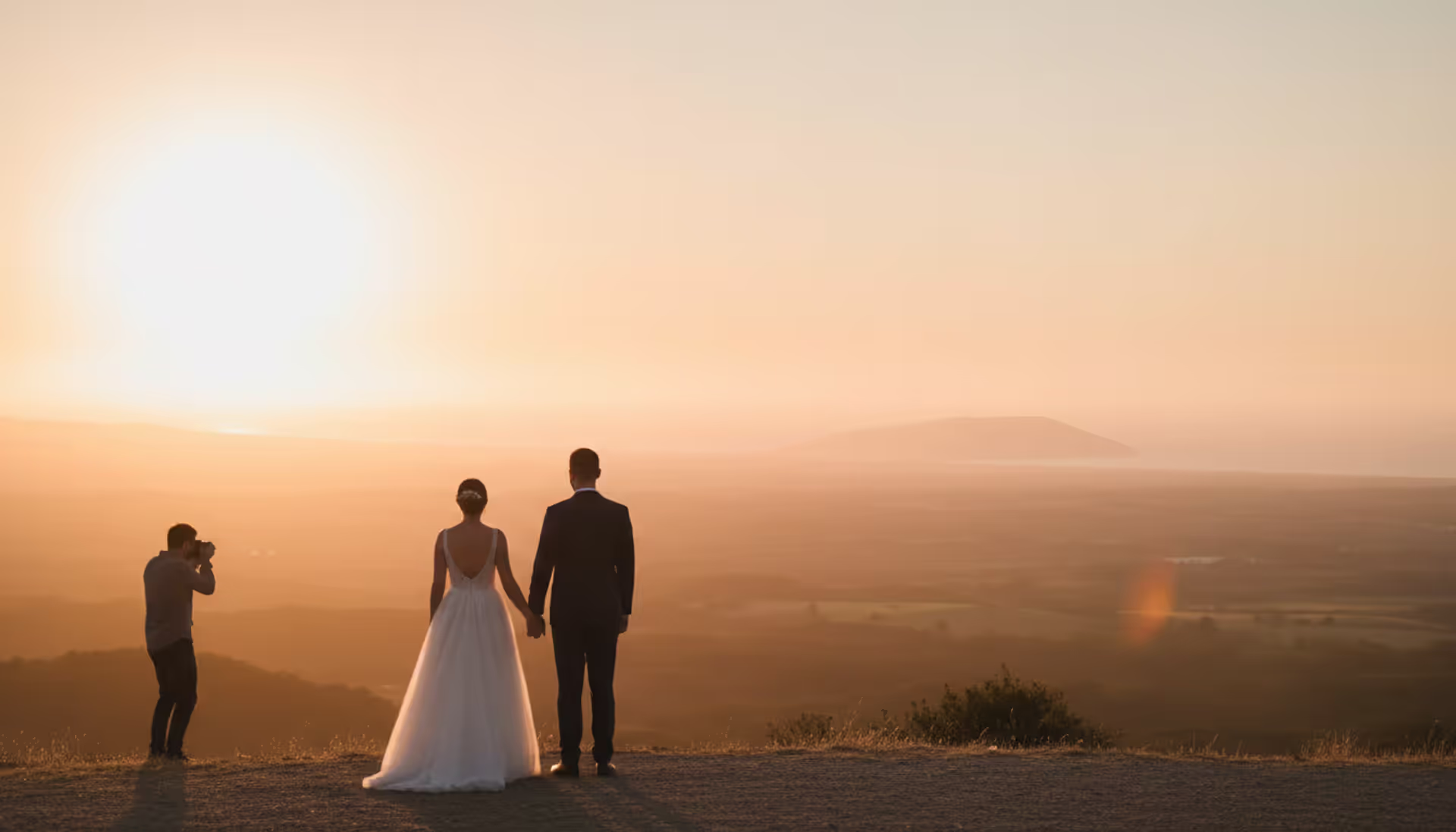
Wedding photography styles define how your celebration gets captured and remembered. From traditional posed portraits to candid documentary coverage, fine art aesthetics to editorial drama, understanding these approaches helps you find a photographer whose vision matches yours and ensures your images reflect your authentic story
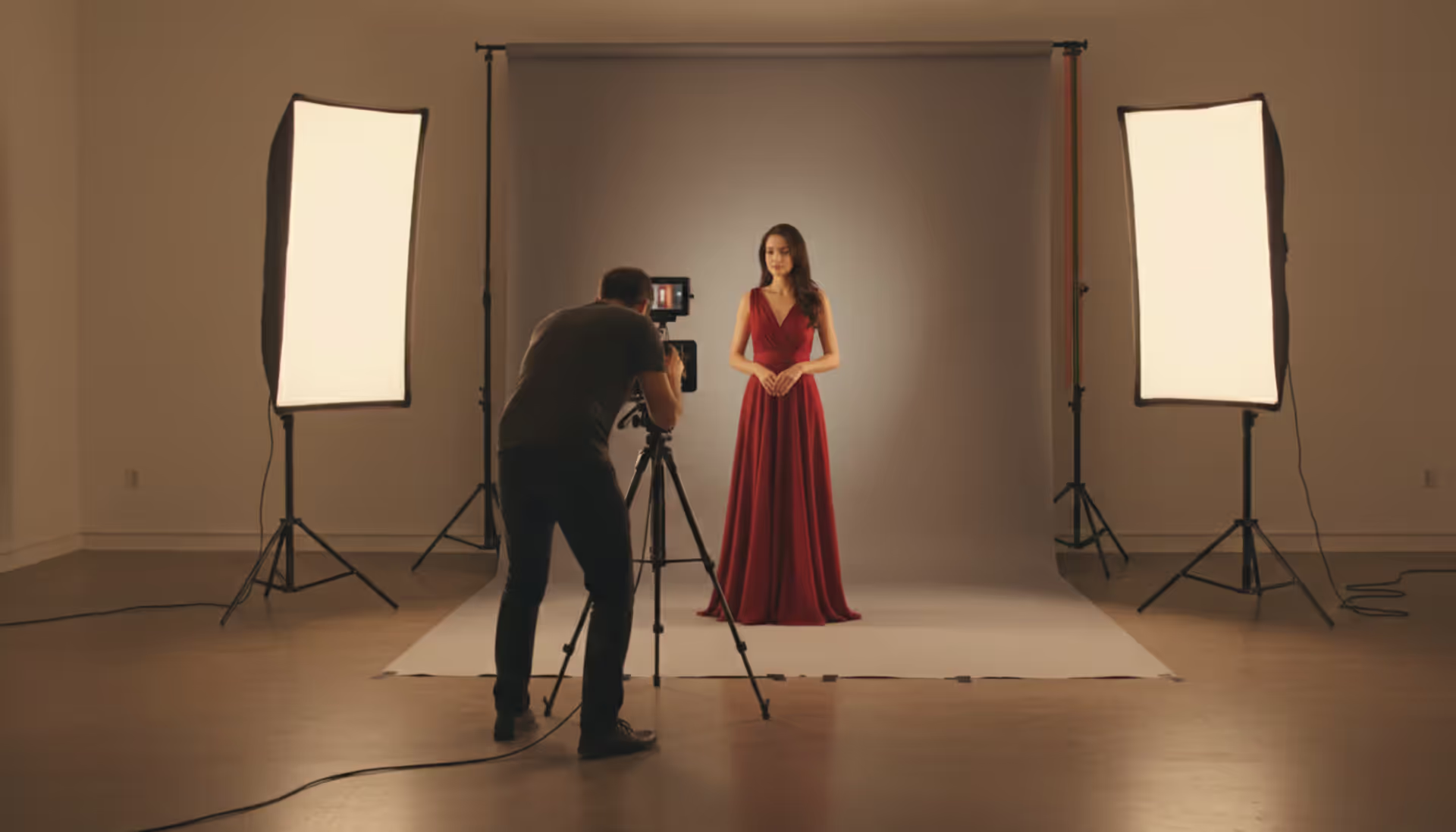
Traditional portrait photography creates polished, timeless images through controlled lighting, deliberate posing, and classic composition. Learn what defines this formal approach, how it differs from modern styles, what to expect during sessions, and how to prepare for studio, senior, children's, and couple portraits
Hiring professionals to capture your most important moments requires understanding what you're actually paying for and how to identify providers who match your vision and budget. Learn about service packages, pricing structures, and common mistakes to avoid when booking photographers and videographers
The content on this website is provided for general informational and educational purposes only. It is intended to explain concepts related to running a photography business, insurance coverage, marketing, websites, and professional development.
All information on this website, including articles, guides, and examples, is presented for general educational purposes. Outcomes may vary depending on business size, location, and individual choices.
This website does not provide professional legal, insurance, financial, or business advice, and the information presented should not be used as a substitute for consultation with qualified professionals.
The website and its authors are not responsible for any errors or omissions, or for any outcomes resulting from decisions made based on the information provided on this website.