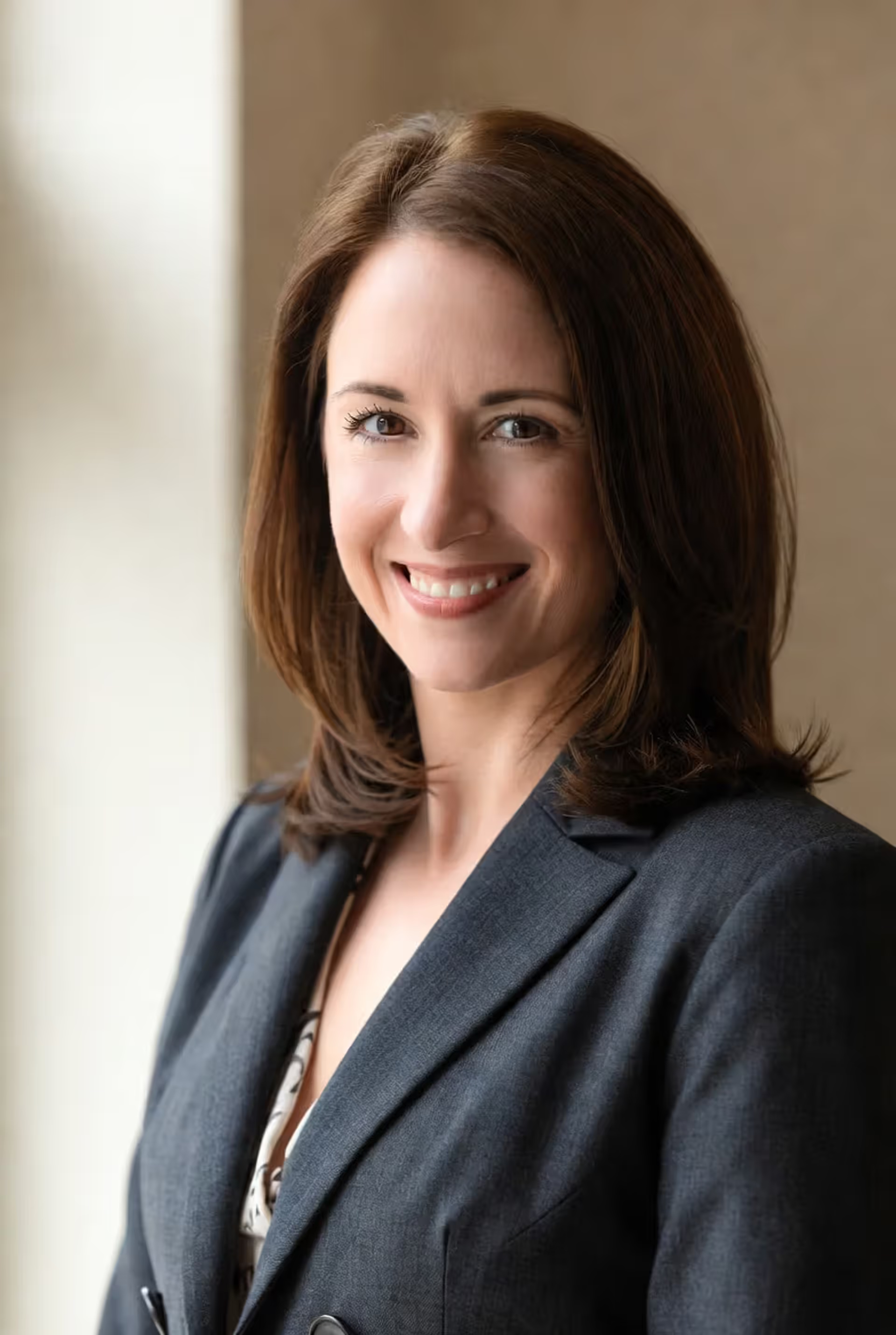
Traditional portrait photography creates polished, carefully composed images that stand the test of time. You won't find photographers hiding in corners waiting for candid moments—instead, they'll position you precisely, adjust lighting with exacting standards, and guide every detail from chin angle to finger placement. Think of it as the difference between a spontaneous vacation snapshot and a formal family heirloom you'll frame in your living room.
This methodical style connects directly to portrait painting traditions. Before cameras existed, wealthy families commissioned artists to paint their likenesses—a process requiring subjects to hold still for hours while painters captured every detail. Early photographers inherited these conventions: posed subjects, painted backgrounds, controlled lighting that highlighted faces while minimizing flaws.
What makes this approach distinctly "traditional"? Control defines everything. Your photographer won't leave anything to chance. Backgrounds stay simple and undistracting. Lighting follows time-tested patterns with specific names—Rembrandt, loop, butterfly—that photographers have relied on for seventy-plus years. Poses draw from an established playbook of what flatters different body types and face shapes. You'll likely look directly at the camera or turn slightly to a three-quarter view, expressions pleasant but measured.
This structured method delivers remarkably consistent results. A well-executed traditional portrait from 2024 shares fundamental qualities with one from 1994 or even 1954. That's precisely why families continue choosing this style—no trendy filters to regret, no gimmicky compositions that scream "early 2020s." Just clean, professional images that age gracefully on walls and in albums.
What Is Traditional Portrait Photography
Traditional portrait photography means the photographer directs everything while you follow guidance and collaborate. It's the opposite of documentary photography, where the photographer observes you naturally interacting with family or exploring a location.
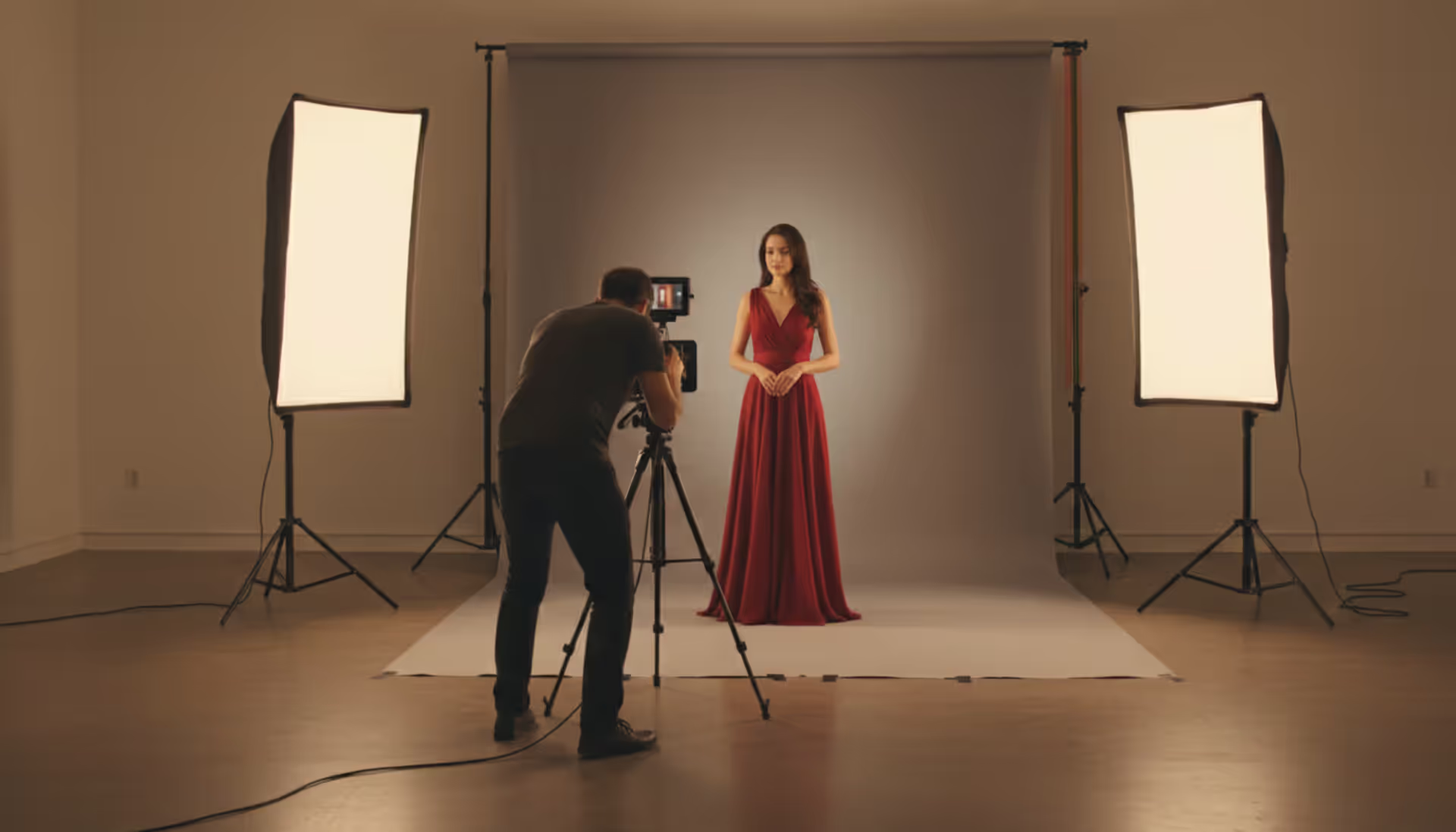
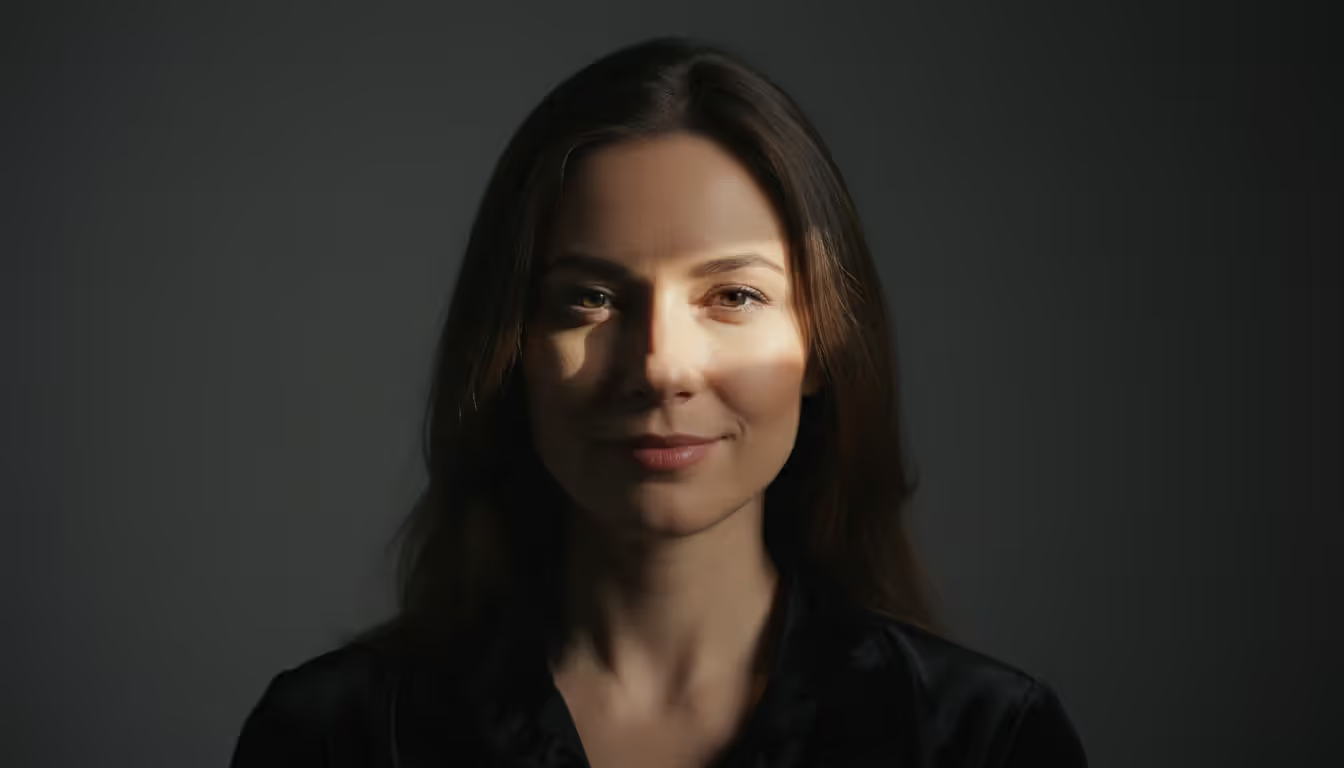
Lighting equipment does the heavy lifting technically. Studio strobes or continuous lights get positioned around you to create specific effects on your face. Butterfly lighting places the main light directly in front and slightly above, creating a small butterfly-shaped shadow under your nose—flattering for most face shapes and especially popular for beauty shots. Rembrandt lighting comes from a 45-degree angle, leaving one side of your face brighter while creating a small triangle of light on the shadowed cheek. Split lighting divides your face evenly between light and shadow, adding drama and dimension.
Author: Samantha Corbett;
Source: maryelizabethphoto.com
Why these specific patterns? Photographers discovered through decades of trial and error that certain light placements consistently flatter diverse facial structures. Rather than reinventing approaches for each session, they apply proven techniques and make minor adjustments for individual features.
Backgrounds intentionally stay minimal. Solid gray, black, or white. Sometimes textured canvas or muslin in muted tones. Classic painted backdrops depicting columns, libraries, or soft landscapes. Anything busy or colorful would pull attention from your face—exactly what traditional portraiture avoids.
Posing gets quite specific. Weight on your back foot, front knee slightly bent. Shoulders turned about 30 degrees from the camera, not square-on. Hands placed deliberately—never dangling awkwardly or appearing clenched. Women often place one hand lightly on their hip or cross arms gracefully. Men might put hands in pockets with thumbs out, or clasp hands in front. These aren't random choices—each adjustment changes how your body shape reads in two dimensions.
Editing stays restrained compared to artistic or fashion photography. Blemishes disappear, skin tone evens out, eyes get slightly brightened. But you'll still look like yourself, just refreshed and polished. No heavy-handed color grading, no artistic blur effects, no conversion to moody black-and-white unless specifically requested.
Some people criticize this approach as artificial or outdated. "Why pose stiffly when lifestyle photography captures real moments?" Fair question. But traditional portraits serve different purposes than documentary photography. Sometimes you need an image that presents your best professional face. Sometimes families want formal documentation without distracting environments. The structured approach isn't inferior—just suited to specific goals.
Types of Traditional Portrait Photography
Traditional portrait photography adapts across different life stages and purposes, though core principles stay consistent throughout.
Studio Portrait Photography
Studio photography represents traditional portraiture in its most controlled form. No worrying about weather, changing sunlight, or random people wandering through your background.
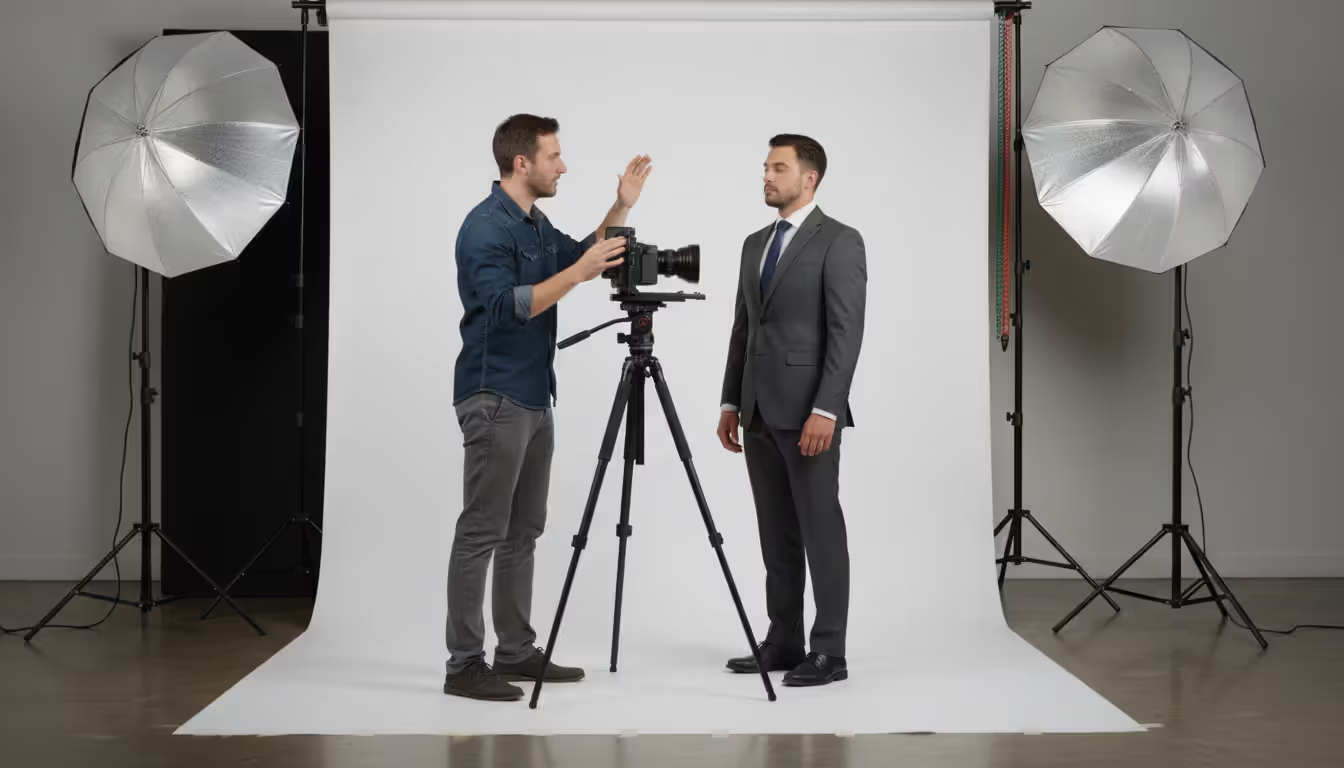
Walk into most portrait studios and you'll find multiple backdrop options mounted on rollers or stands. Three to five solid colors at minimum—usually including white, black, gray, and perhaps burgundy or navy. Textured fabrics add visual interest without pattern distraction. Hand-painted canvas backdrops depicting everything from abstract swirls to garden gazebos appeal to clients wanting something beyond solid colors.
Lighting equipment varies from basic to elaborate. Entry-level setups might use two strobes—one as the main light, another filling shadows. High-end studios deploy five or more lights simultaneously: main light, fill light, hair light (separating you from the background), background light (adding dimension to the backdrop), and sometimes an accent light highlighting specific features.
Corporate clients love studio portraits for headshots and team photos. The neutral, professional aesthetic translates across industries and contexts. Families often choose studios for multi-generational portraits they'll display for decades, especially when coordinating schedules makes outdoor sessions impractical.
The trade-off? You're photographed against generic backgrounds rather than meaningful locations. A studio portrait of your grandmother could've been taken in Boston, Phoenix, or Nashville—nothing identifies the place. For yearbook photos or business headshots, this works perfectly. For anniversary photos at the beach where you got engaged? Environmental portraits make more sense.
Senior Portrait Photography
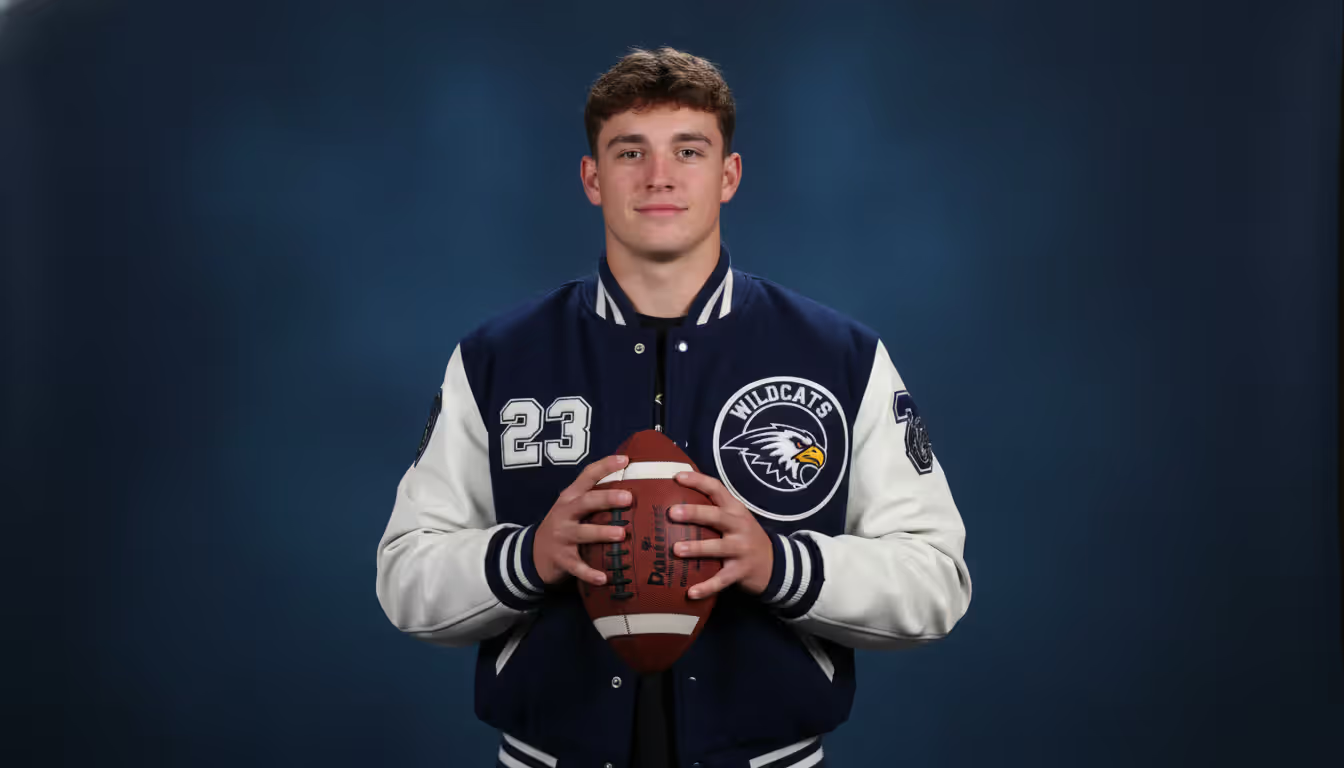
Senior portraits mark high school graduation—that weird transition between childhood and adult independence. Sessions typically blend formal yearbook requirements with more personalized images showing personality.
Most seniors get photographed in multiple outfits. One dressy outfit for the formal yearbook headshot—guys in suits or dress shirts, women in dresses or nice tops. Then two or three additional outfits ranging from casual to dressy-casual. Letter jackets, prom dresses, sports uniforms—whatever represents important aspects of the senior's identity.
Photographers who specialize in seniors maintain relationships with local schools, learning specific yearbook submission requirements. Some schools demand particular background colors or head-and-shoulders cropping. Others accept more creative compositions. Missing these specifications means expensive reshoots, so experience matters.
Timing gets discussed endlessly in senior portrait circles. Spring of junior year? Fall of senior year? Early fall avoids the holiday rush but risks yearbook deadline pressure. Late summer works for many families—schedules are flexible, weather's still decent, and photos arrive before holiday cards need ordering.
Props appear more frequently in senior sessions than other traditional portrait types. Musical instruments, sports equipment, academic regalia, even pets. A skilled photographer incorporates these elements without creating cluttered, distracting compositions.
Author: Samantha Corbett;
Source: maryelizabethphoto.com
Children's Portrait Photography
Photographing children traditionally requires adapting classic techniques to subjects with approximately three-minute attention spans.
Successful children's photographers become part entertainer, part photographer. They'll sing songs, make funny noises, play peek-a-boo—whatever keeps young subjects engaged and happy. The end goal remains a polished traditional portrait, but the path there looks nothing like adult sessions.
Age dramatically affects what's possible. Newborns get posed carefully (usually by parents under photographer direction) and photographed quickly before they wake and protest. Six-month-olds can sit supported but won't follow verbal directions. Two-year-olds might cooperate for five solid minutes before chaos ensues. School-age children can understand simple instructions: "chin up slightly," "smile with your eyes." Teenagers vacillate between self-conscious stiffness and genuine cooperation.
Many families photograph children annually, creating visual timelines from infancy through high school. These sessions stay relatively brief—30 to 45 minutes maximum for young children. Photographers plan shot sequences carefully, capturing essential images first in case cooperation ends abruptly.
Patience matters enormously. Rushing or showing frustration guarantees disaster. The best children's photographers project calm energy, even when internally calculating whether they'll get usable images before complete meltdown.
Couple Portrait Photography
Couple portraits celebrate relationships through images showing both individuals clearly while emphasizing their connection.
Classic couple poses balance several competing goals: both faces visible and flattered, physical positioning showing intimacy, overall composition feeling unified rather than like two separate people. One common solution positions partners at slight angles to each other, heads tilted together, both looking toward camera. Another approach places one partner slightly behind, creating depth while keeping both prominent.
Hand placement communicates different relationship dynamics. Intertwined fingers suggest equality and partnership. One hand on a shoulder conveys protection or support. Arms wrapped around waists show physical comfort and intimacy. Your photographer will guide these details based on what feels natural for your relationship.
Lighting couples requires balancing two faces at potentially different heights, angles, and skin tones. The theoretically perfect lighting for one person might shadow the other unfavorably, requiring compromises that flatter both adequately.
Engagement portraits tend slightly less formal than anniversary or vow renewal photos. Photographers might incorporate some lifestyle elements—walking hand-in-hand, laughing together—while maintaining traditional lighting and composition principles. Milestone anniversary portraits (25th, 50th) usually lean fully traditional, matching the formal significance.
Your comfort level together affects sessions noticeably. Couples who've been together twenty years often relax into poses effortlessly. Newly engaged pairs sometimes feel self-conscious about public displays of affection, requiring more gentle direction and encouragement.
How Traditional Portrait Sessions Work
Understanding the typical session flow helps you prepare mentally and reduces anxiety about what happens when.
Most photographers start with a consultation—phone call, video chat, or in-person meeting. You'll discuss why you're getting portraits (professional headshots? family documentation? senior pictures?), who's being photographed, your timeline and deadlines, and rough budget parameters. Good photographers share portfolio examples matching your needs and discuss wardrobe suggestions specific to your session type.
Session day begins with you arriving at the agreed location and time. Don't be late—you're paying for specific time blocks, and delays cut into actual photography time. The photographer spends roughly ten to fifteen minutes on technical preparation: positioning lights, setting up backdrops, testing camera settings. Some photographers handle this before you arrive; others prefer confirming everything once subjects are present.
Then photography actually begins. Your photographer will position you in starting poses, then make continuous small adjustments. "Chin up slightly. Now turn your shoulders left. Relax your hands. Soften your expression. Perfect, hold that." This direction continues throughout every setup. You shouldn't try posing yourself—trust the photographer's guidance even when positions feel awkward or unnatural. What looks strange in person often photographs beautifully.
Between poses, many photographers review images on their camera's back display screen, checking focus, exposure, and composition. Some share these previews with you; others prefer maintaining workflow momentum and save review for later. Both approaches work—it's personal preference and session pacing.
Multiple outfits or different people being photographed? The photographer will work through a planned sequence. Family sessions often start with everyone together (most important shot captured while energy is highest), then photograph various combinations—parents with each child individually, siblings together, just the couple—finishing with individual portraits. This systematic approach ensures nothing gets forgotten.
How long will you be there? Individual headshots: thirty minutes. Family sessions with outfit changes and various groupings: ninety minutes to two hours. Senior sessions with three outfit changes: sixty to ninety minutes. Ask your photographer for time estimates during consultation.
After the session ends, photographers begin post-production work. Culling hundreds of frames down to the best examples. Adjusting exposure and color. Retouching skin, whitening teeth, removing temporary blemishes. This processing takes anywhere from several days to three weeks, depending on the photographer's current workload and how many sessions they're juggling.
Delivery happens through various methods. Some photographers schedule in-person viewing appointments where you review images together and select favorites for printing or additional retouching. Others provide password-protected online galleries for remote review and selection. Final deliverables might include high-resolution digital files, professional prints, custom albums, or canvas wall art—whatever you purchased in your package.
Author: Samantha Corbett;
Source: maryelizabethphoto.com
Preparing for Your Traditional Portrait Session
Small preparation decisions create noticeable differences in your final images—worth getting right.
Wardrobe should prioritize longevity over current trends. That statement necklace everyone's wearing this season? It'll date your portraits within eighteen months. Solid colors photograph more reliably than patterns, which can create weird visual effects (thin stripes sometimes create moiré patterns, busy prints distract from faces). Skip clothing with visible logos or text unless you specifically want those elements documented.
Classic styles age well. Men: button-down shirts, polos, blazers, sweaters in neutral or jewel tones. Women: solid-colored dresses, blouses, cardigans—nothing too trendy or revealing. Fit matters tremendously. Too-tight clothing creates unflattering lines and bunching. Oversized pieces add visual bulk. Aim for clothes that skim your body without clinging or overwhelming.
Group portraits require color coordination without identical matching. Choose two or three complementary colors as your palette, then let each person select outfits incorporating those shades. One family might choose navy, cream, and burgundy—Dad wears a navy shirt, Mom a cream dress with burgundy cardigan, kids in various combinations of those colors. Skip stark white (causes exposure problems) and pure black (absorbs too much light), choosing instead cream, ivory, charcoal, or navy.
Hair deserves thought but not radical changes. Get haircuts at least ten days before your session so styles settle and any too-short mishaps grow out slightly. Don't try a completely new color or dramatic cut the day before portraits. Stick with familiar styles you know how to manage.
Makeup (for those who wear it) should go slightly heavier than everyday application. Studio lights wash out subtle makeup, making you appear tired or washed-out. Add more definition to eyes, stronger blush, bolder lips than you'd wear to the grocery store. But don't jump to full evening makeup—that looks overdone in portraits. Consider hiring a professional makeup artist who understands photography if you're unsure about application.
For children's sessions, schedule smartly around normal routines. Don't book a 4 p.m. session for a toddler who naps until 3:30 p.m. Late morning after breakfast and mid-morning nap works well for many young children. Bring snacks (nothing messy or staining), favorite small toys for comfort between shots, and backup outfits in case of spills.
Senior sessions benefit from bringing more outfit options than you'll actually use. Even with planning, some clothing doesn't photograph as expected. Having alternatives provides flexibility and backup plans. Bring any props or meaningful items (instruments, jerseys, academic awards) even if you're unsure about including them—easier to have options than wish you'd brought something.
When should you schedule? For outdoor traditional portraits, late afternoon (two hours before sunset) provides the most flattering natural light that complements artificial lighting equipment. Indoor studio sessions offer more flexibility since lighting is entirely controlled—morning, afternoon, or evening all work equally well.
What to bring the session day? Most professional photographers supply everything needed for photography itself. But pack: touch-up makeup, hairbrush or comb, lint roller (essential for dark clothing), phone or music player if you want specific music for relaxation, list of specific groupings needed (for family sessions), and any items you want incorporated into portraits.
One overlooked element: mental preparation. Traditional portraits mean following directions and holding poses that might feel unnatural. Your left shoulder forward, weight on right foot, hands clasped in front, chin tilted up and slightly left—these positions can feel awkward. Understanding in advance that you'll receive constant direction helps you relax and trust your photographer's expertise instead of feeling self-conscious.
Traditional vs. Modern Portrait Photography Styles
Traditional and modern portrait photography take fundamentally different approaches, each serving distinct purposes and appealing to different aesthetic preferences.
Feature
Traditional Style
Modern/Contemporary Style
How posing works
Photographer directs precisely using established poses refined across decades
Ranges from loose direction to pure observation; values authentic movement and genuine interaction
Lighting approach
Controlled artificial lighting in specific named patterns—Rembrandt, butterfly, loop, split
Often relies on available natural light or combines sources creatively; embraces inconsistency as artistic
What's behind subjects
Solid colors, subtle textures, classic painted backgrounds—anything simple and non-distracting
Subtle retouching preserving natural appearance; neutral to warm color tones; minimal obvious manipulation
Varies wildly from completely natural to heavily stylized; artistic color grading, fading, cross-processing common
Works best for
Business headshots, formal family portraits, yearbook photos, professional documentation
Lifestyle storytelling, creative personal branding, documenting authentic family dynamics, artistic projects
Where it happens
Studios or controlled outdoor locations with portable lighting creating studio-quality conditions
On-location in homes, meaningful outdoor locations, urban environments—wherever life naturally happens
These categories aren't rigid boundaries. Plenty of photographers blend approaches, using traditional lighting techniques in environmental settings or incorporating genuine moments within primarily structured sessions.
Your choice depends on intended use and personal taste. Corporate executives need traditional headshots conveying professionalism within conservative industries. The creative director at an advertising agency might want something more modern showing personality and approachability. Families might choose traditional portraits for formal holiday cards while booking lifestyle sessions for personal photo albums.
Budget plays a role too. Studio-based traditional sessions often price straightforwardly—photographers know exactly how long setups take in controlled environments. Location-based modern portraits might cost more due to travel time, location permits, or extended session times needed for capturing spontaneous moments.
Neither approach objectively beats the other. Traditional portraiture's disciplined formality creates dignified, consistent results perfect for formal contexts and timeless family documentation. Modern methods offer creative freedom and authentic emotion that resonate differently and serve distinct purposes.
Finding Traditional Portrait Photography Inspiration
Gathering inspiration before booking helps you articulate your vision and ensures your photographer can deliver what you're imagining.
Start by exploring your photographer's existing portfolio—the most relevant inspiration source available. They've already proven they can execute specific lighting, posing, and compositional approaches through previous client work. Save five to ten images from their portfolio that resonate with you visually. During consultation, reference these specifically: "I love the lighting in this family portrait" or "The way you posed this couple feels natural but still polished."
Photography books and museum collections showcasing portrait masters offer rich inspiration. Yousuf Karsh's dramatic celebrity portraits from the 1940s-60s demonstrate powerful lighting. Irving Penn's studio work shows minimalist elegance. Annie Leibovitz bridges traditional and contemporary approaches. While you're probably not photographing Winston Churchill or Johnny Depp, the technical approaches and compositional principles translate to regular people.
Online galleries aggregate thousands of examples. Pinterest boards dedicated to "classic family portraits" or "formal headshots" collect work from photographers worldwide. Instagram hashtags like #studioprotrait or #traditionalportrait surface current work. However, verify that saved images actually represent traditional rather than heavily stylized modern photography—easy to confuse when browsing quickly.
When sharing inspiration with your photographer, explain what specifically appeals to you about each image. The lighting quality? How hands were positioned? The overall mood or expression? Photographers can often recreate technical elements but need clarity about which aspects matter most versus incidental details.
Don't obsess over replicating inspiration images exactly. Your body type, facial features, and session context differ from reference images. Your photographer brings professional judgment about what flatters your specific features and works within your session parameters. Use inspiration to establish general direction while leaving room for expert adaptation.
Author: Samantha Corbett;
Source: maryelizabethphoto.com
Consider practical limitations when collecting ideas. That elaborate five-light setup you found might exceed your session's equipment inventory. Outdoor golden-hour lighting won't translate to studio sessions. An expansive location shoot doesn't match your studio-only package. Discuss feasibility during consultation rather than discovering incompatibilities when you arrive for photography.
Choosing a Traditional Portrait Photographer
Selecting your photographer significantly impacts both the session experience and final image quality—worth careful consideration beyond simply finding the cheapest option.
Begin by examining photographers' portfolios thoroughly. Does their existing work demonstrate traditional portrait aesthetics, or do they lean more contemporary/lifestyle? Look for consistency across multiple sessions—anyone occasionally captures one excellent image, but professionals deliver reliably strong results regardless of subject. Evaluate lighting quality (smooth, dimensional, flattering?), technical sharpness (crisply focused eyes?), and whether subjects appear comfortable rather than awkwardly stiff.
Experience with your specific portrait category matters considerably. Someone specializing in newborn photography might lack corporate headshot experience or senior portrait expertise. Ask directly: "How many senior portrait sessions do you shoot annually?" or "What percentage of your business comes from professional headshots?"
Technical quality shows in details many non-photographers overlook. Professional traditional portraits feature catchlights (reflected light sources visible in subjects' pupils, adding life to eyes). Skin tones appear natural and consistent, not oversaturated or sallow. Exposure stays consistent across the frame without blown highlights or blocked shadows. These subtle technical elements distinguish professional work from advanced amateur photography.
Questions worth asking during consultation:
How many years have you focused specifically on traditional portrait photography?
Walk me through your typical session workflow from arrival to final delivery.
How many retouched images are included, and what does your retouching cover?
What's your current turnaround time between session and image delivery?
Can you accommodate specific requirements like yearbook specifications or corporate branding guidelines?
What's your rescheduling policy if someone gets sick or weather disrupts outdoor sessions?
Pricing varies dramatically between photographers and regions. Some charge separate session fees (covering their time and expertise during shooting) plus à la carte product pricing for prints, digital files, and albums. Others offer packages bundling session time with specific deliverables. Understand exactly what you're purchasing before committing. The cheapest photographer rarely provides the best value—experienced professionals charge appropriately for refined skills and efficient workflows.
Inconsistent portfolio quality or heavy filtering that might hide technical weaknesses
Vague or evasive responses about pricing and package details
No written contracts or service agreements
No backup camera equipment or plans for handling technical failures
Consultation calls that feel rushed or don't address your specific questions
High-pressure sales tactics demanding immediate booking without consideration time
Client reviews reveal photographers' professionalism, communication, and reliability beyond technical skills. Look for feedback about whether the photographer made subjects feel comfortable, delivered images matching promises and timelines, and handled unexpected issues professionally.
Studio facilities affect your experience for studio-based traditional photography. Visit in person if possible, evaluating cleanliness, professionalism, and equipment quality. Home-based studios can produce excellent results, but the space should still feel professional and dedicated to photography rather than obviously someone's converted garage.
Personal compatibility deserves weight in your decision. You'll spend substantial time with this person and need to feel comfortable following their direction. A technically skilled photographer who makes you anxious or rushes constantly will produce less satisfying results than someone whose expertise and interpersonal approach both inspire confidence.
Traditional portrait photography continues thriving because it addresses something fundamental in human nature—our desire to be seen at our absolute best and preserve that vision for future generations.The specific poses and lighting patterns we use aren't just arbitrary traditions passed down mindlessly. They're refined solutions to the challenge of translating three-dimensional human beings into two-dimensional images that feel simultaneously authentic and deeply flattering
— Jennifer Halloway
Frequently Asked Questions About Traditional Portraits
How much does traditional portrait photography cost?
Expect significant price variation based on photographer experience, geographic location, and what's included. Session fees alone typically run $150-$500, covering the photographer's time and expertise during shooting but usually not including any final images. Those get purchased separately or through packages. Complete packages bundling session time, professional retouching, and digital files or prints generally cost $400-$2,000 for most families. High-end photographers in major cities charge substantially more, especially for complex family sessions or specialized corporate work. When budgeting, account for both the session fee and actual product costs—the session fee just gets you in the door.
What should I wear for a traditional portrait session?
Go classic and timeless rather than trendy. Solid colors or very subtle patterns work better than busy prints that distract from faces. Well-fitted clothing photographs more flatteringly than pieces that are too tight (creates unflattering lines) or too loose (adds visual bulk). For professional headshots, wear business attire appropriate to your industry. Families should coordinate within a complementary color palette rather than matching identically—pick three colors that work together and let everyone choose outfits incorporating those shades. Skip pure white (creates exposure challenges) and solid black (absorbs too much light), choosing instead cream, ivory, charcoal, or navy. When uncertain, bring multiple options; photographers can help select what works best.
How long does a traditional portrait session take?
Session length depends entirely on what you're photographing. Simple professional headshots: 30-45 minutes. Individual portraits with two or three outfit changes: 60-90 minutes. Family sessions including various groupings and outfit changes: 90 minutes to two hours. Senior portraits with multiple outfits and some location variety: 60-90 minutes. Your photographer should provide time estimates when you book. Arrive on time and ready to shoot—delays eat into your photography time and can result in rushed sessions or incomplete shot lists. Late afternoon sessions in winter might face losing natural light if they run over.
What's the difference between traditional and lifestyle photography?
Traditional portrait photography means the photographer directs and controls everything—your pose, expression, hand placement, even exactly where you're looking. Lighting follows established patterns with predictable results. Lifestyle photography captures real moments with minimal intervention, often in natural environments using available light. Traditional portraits feel polished, timeless, and somewhat formal; lifestyle images feel spontaneous and documentary. Traditional approaches work better for formal needs like business headshots, yearbook photos, or classic family portraits you'll display for decades. Lifestyle photography excels at capturing authentic personality and genuine interactions, serving storytelling and personal documentation purposes. Many photographers now offer both or blend elements from each approach.
Can traditional portraits be taken outdoors?
Absolutely, with proper equipment and planning. Photographers bring portable lighting gear to maintain the controlled lighting that defines traditional portraiture, even in outdoor settings. Sessions typically happen during late afternoon when natural sunlight is softer and more flattering, complementing rather than competing with artificial lighting. Background selection becomes more critical outdoors—photographers seek simple, uncluttered settings that won't distract from subjects. Weather introduces unpredictability that studio sessions avoid, so outdoor traditional portraits need backup plans for rain, extreme heat, or sudden cloud cover. Combining traditional posing and lighting techniques with outdoor environments creates images feeling somewhat less formal than pure studio work while keeping classic aesthetics intact.
How far in advance should I book a traditional portrait session?
Book 4-8 weeks ahead for most portrait types, giving yourself time for consultation, preparation, and securing your preferred date on the photographer's calendar. Senior portraits require longer planning—many families book 3-6 months in advance to avoid spring rush periods and guarantee images arrive before yearbook deadlines and graduation announcements. Holiday portraits need booking by late September or early October at the latest, since photographers' November and December calendars fill rapidly. When you need portraits for specific deadlines like yearbook submissions, professional conferences, or holiday cards, communicate those dates clearly and book even earlier. Established photographers with strong reputations often have limited availability, making advance booking essential rather than optional.
Traditional portrait photography provides a reliable method for creating polished, dignified images that maintain their value for decades. The structured approach—controlled lighting, deliberate posing, refined compositions—delivers consistent results that transcend temporary trends and fads. Modern photography styles serve different purposes admirably, but traditional portraiture remains unmatched for formal contexts and timeless family documentation that generations will treasure.
Success requires choosing an experienced photographer whose portfolio demonstrates both technical mastery and aesthetic alignment with your vision. Proper preparation matters too: thoughtful wardrobe selection, appropriate grooming, and realistic expectations about the directed, collaborative process all contribute to satisfying outcomes. Whether you need professional headshots, senior portraits, family documentation, or couple photography, traditional portrait photography offers a proven framework for capturing people at their absolute best.
Investing in professional traditional portraits pays dividends through years of prominent display and sharing. These aren't throwaway social media posts or casual snapshots—they're carefully crafted images worthy of framing and featuring in homes and offices. Understanding what traditional portrait photography involves and preparing appropriately sets you up for a smooth session experience and portraits you'll value for generations.
ports photography captures athletes in motion, freezing split-second moments that tell stories of competition and achievement. This specialized field demands technical precision, anticipation skills, and athletic understanding that separates it from other photography genres
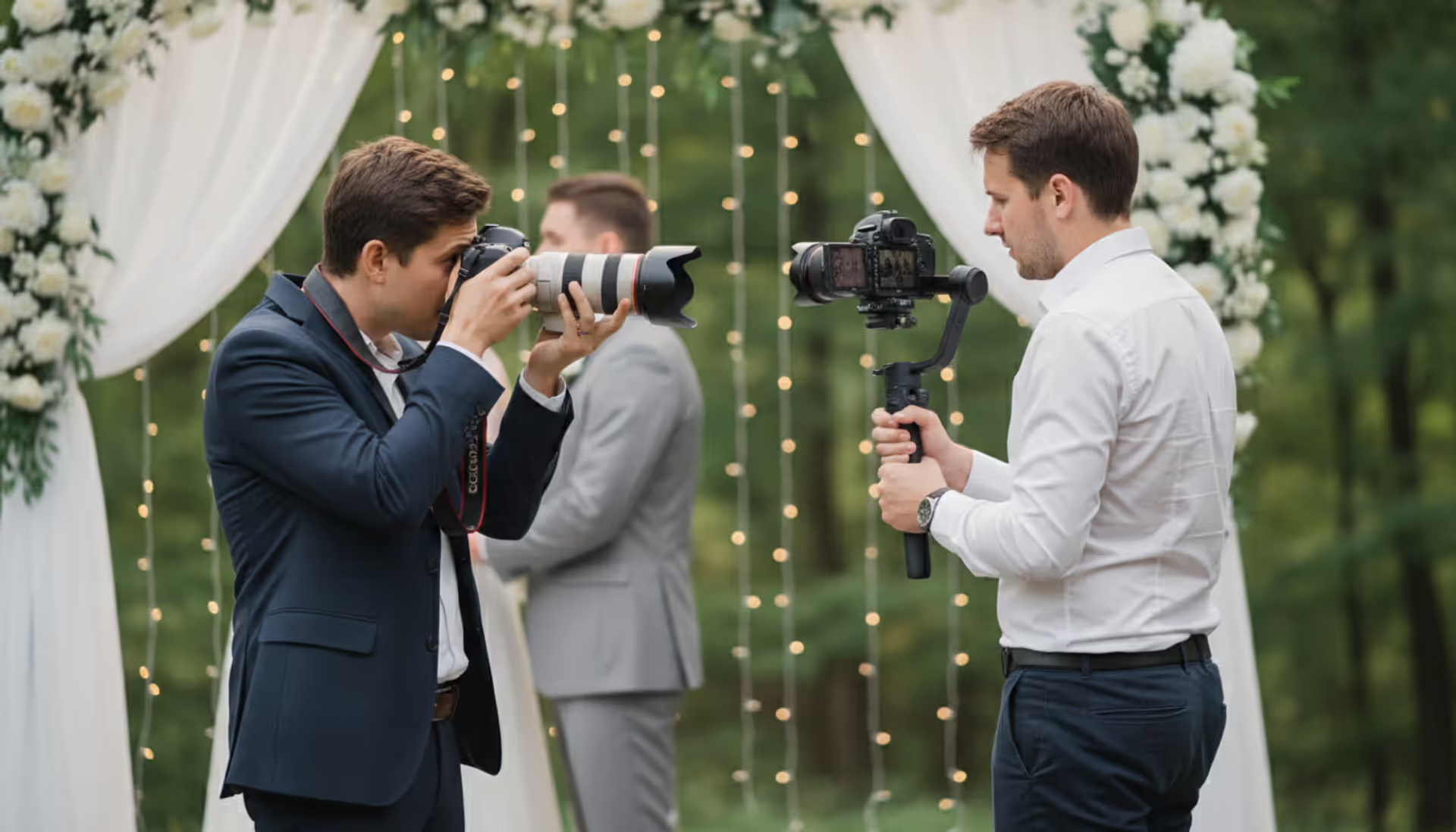
Wedding photography styles define how your celebration gets captured and remembered. From traditional posed portraits to candid documentary coverage, fine art aesthetics to editorial drama, understanding these approaches helps you find a photographer whose vision matches yours and ensures your images reflect your authentic story
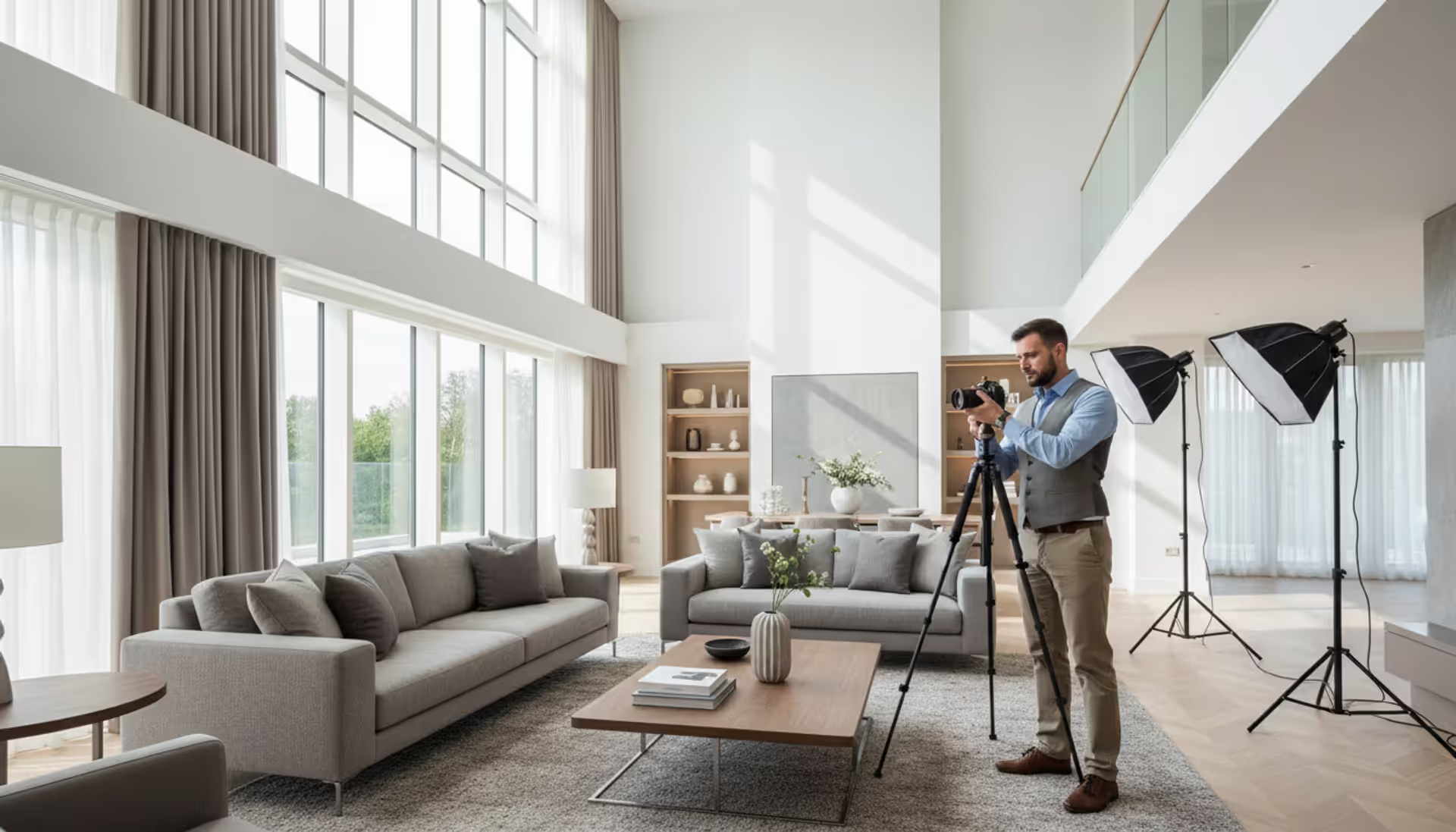
Professional real estate photography increases property views by 118% and reduces time on market by 32%. Choosing the right photographer requires understanding service types, evaluating portfolios, verifying credentials, and recognizing common hiring mistakes that cost sellers thousands
Hiring professionals to capture your most important moments requires understanding what you're actually paying for and how to identify providers who match your vision and budget. Learn about service packages, pricing structures, and common mistakes to avoid when booking photographers and videographers
The content on this website is provided for general informational and educational purposes only. It is intended to explain concepts related to running a photography business, insurance coverage, marketing, websites, and professional development.
All information on this website, including articles, guides, and examples, is presented for general educational purposes. Outcomes may vary depending on business size, location, and individual choices.
This website does not provide professional legal, insurance, financial, or business advice, and the information presented should not be used as a substitute for consultation with qualified professionals.
The website and its authors are not responsible for any errors or omissions, or for any outcomes resulting from decisions made based on the information provided on this website.