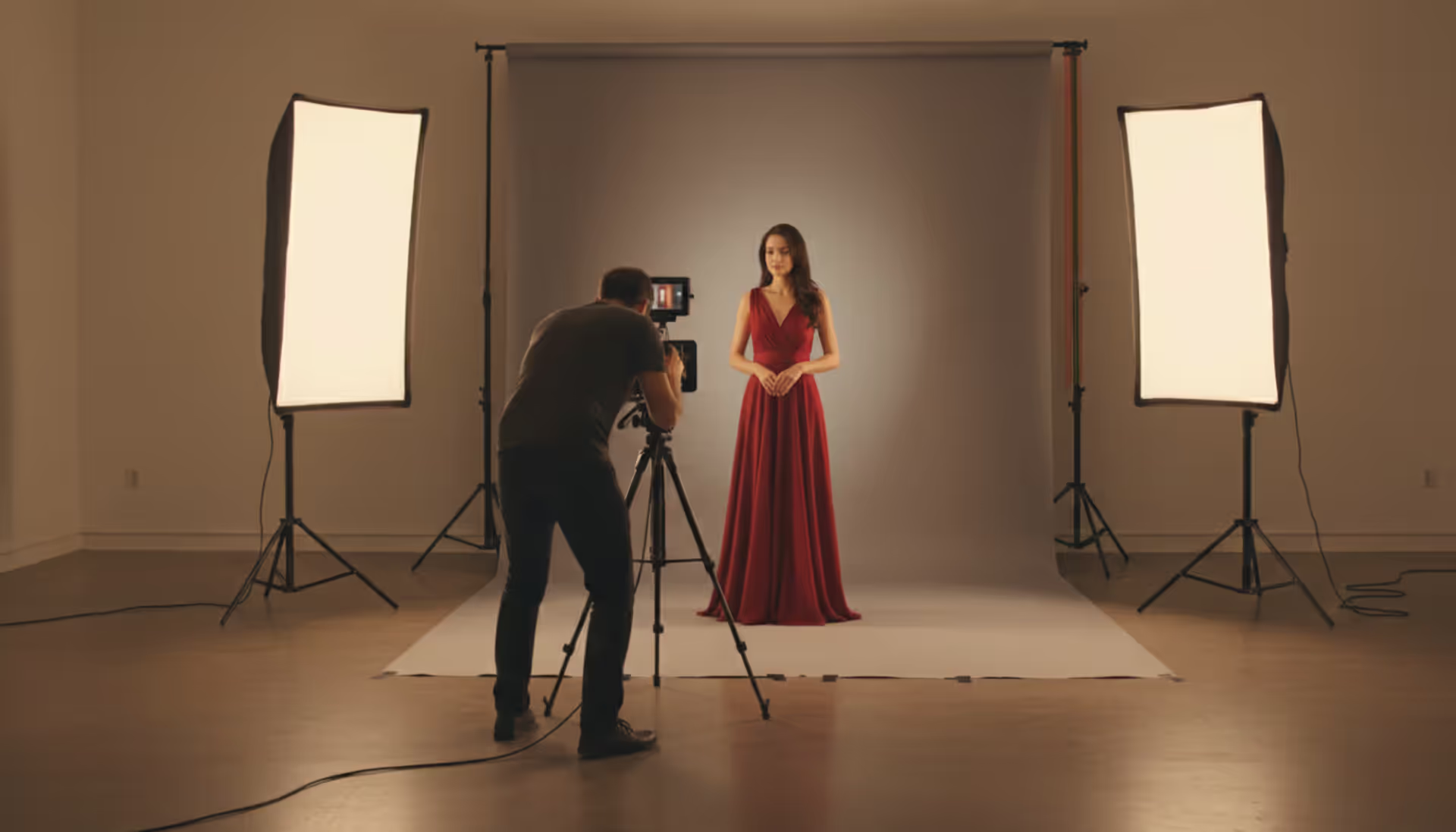
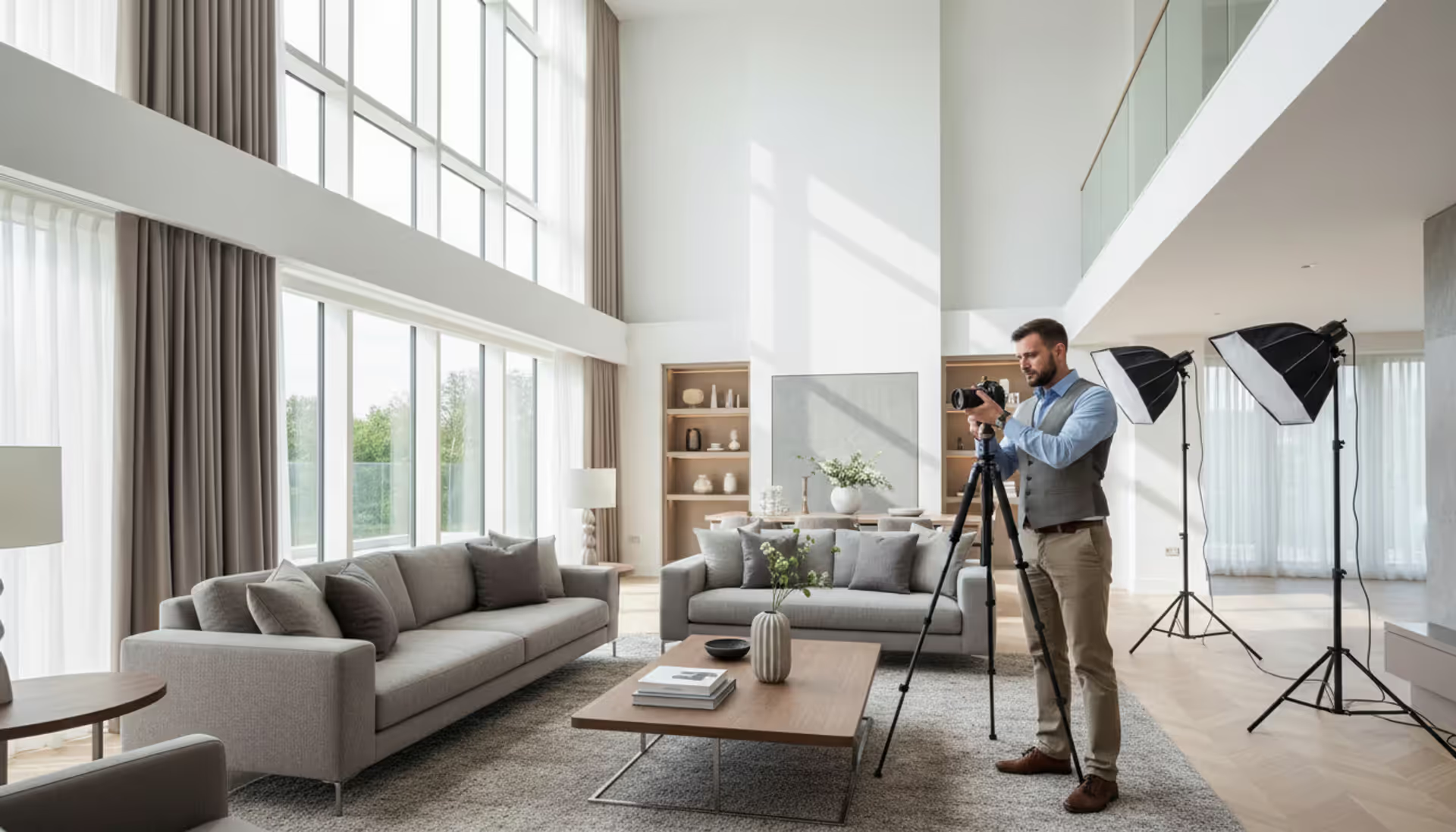
Here's what sets commercial photography apart from every other kind: it exists to make money. Not to document breaking news. Not to hang in galleries. Every commercial photograph you see—whether it's the product image you clicked on Amazon last night or the billboard you passed this morning—was created with one goal: convince someone to buy something.
A commercial photographer's Tuesday might include shooting 50 water bottles for a beverage startup's website before lunch, then heading across town to photograph a law firm's managing partners for their new marketing brochure. Completely different subjects, totally different approaches, but the same underlying purpose.
Why does this matter? Because when businesses spend $5,000 on a photoshoot, they're not paying for art. They're investing in a marketing asset. That skincare company launching next month? They need images that make people believe their $85 face cream is worth every penny. The industrial equipment manufacturer competing for a municipal contract? They need photographs proving their facility can handle a million-dollar job.
Rights and money work differently here too. That photographer who covered last night's city council meeting? She owns those photos and sells them to newspapers. But commercial photographers? They're creating images that clients will use to sell products, so the whole pricing model revolves around usage rights. Where will these images appear? For how long? That's what determines the invoice.
What Is Commercial Photography?
Think of commercial photography as photography with a job to do. It's any image made specifically for businesses to use in selling, marketing, or promoting what they offer. You'll find these photographs on product packaging, throughout company websites, in printed catalogs, across social media ads, and basically anywhere a business needs to look professional and persuasive.
The client drives everything. A brand manager doesn't call a commercial photographer and say "go create something beautiful." They arrive with specific needs: "We're launching a new line of hiking boots and need images for our website, Instagram campaigns, and retail displays. We want outdoor, adventure-focused lifestyle shots that appeal to women ages 25-40." The photographer's job? Turn that business requirement into compelling visuals.
Compare that to editorial photography. When a newspaper photographer covers a story about the mayor, those images document what happened—they inform readers. You can't take that same photo and use it in the mayor's re-election campaign without crossing into commercial territory (and violating usage rights). Editorial informs; commercial persuades.
Fine art photography lives in a completely different universe. An artist creates photographs expressing their personal vision, then sells prints to collectors or galleries. The photographer's creative impulse comes first. In commercial work, the client's business needs come first—always.
Who's hiring commercial photographers? Pretty much every business eventually needs these services. Online retailers can't survive without clean product images. Ad agencies need campaign visuals that grab attention. Real estate developers want architectural photography that makes their properties irresistible. Tech startups need team photos and product shots for investor presentations. Even your dentist probably hired a commercial photographer for those smiling patient photos on their website.
Types of Commercial Photography
Product Photography
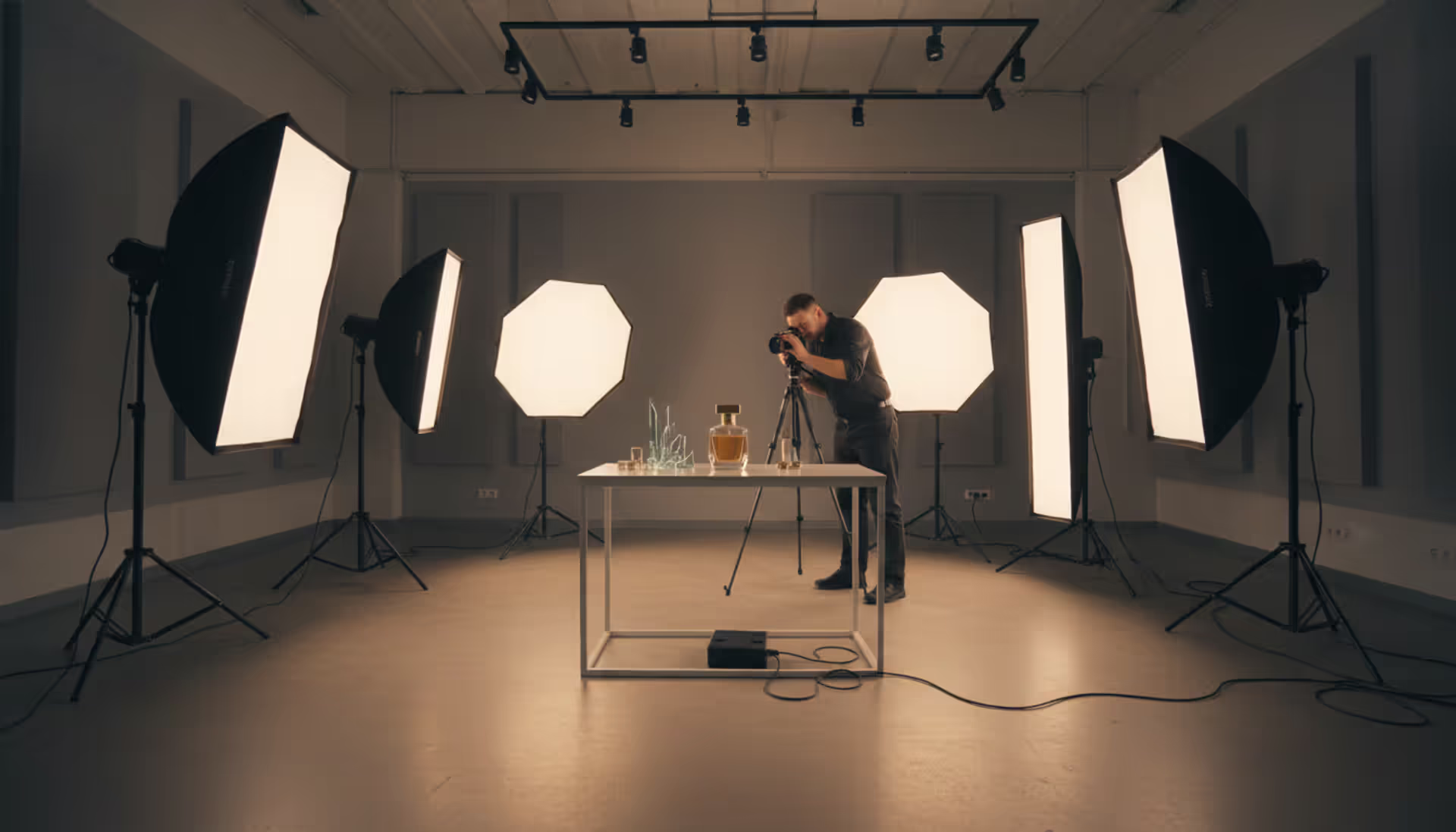
Product photography puts items front and center—usually isolated against plain backgrounds or arranged in carefully styled settings. The goal? Show exactly what you're selling, highlight its features, and make people want to own it. These images populate every corner of e-commerce: Shopify stores, eBay listings, wholesale catalogs, even the packaging itself.
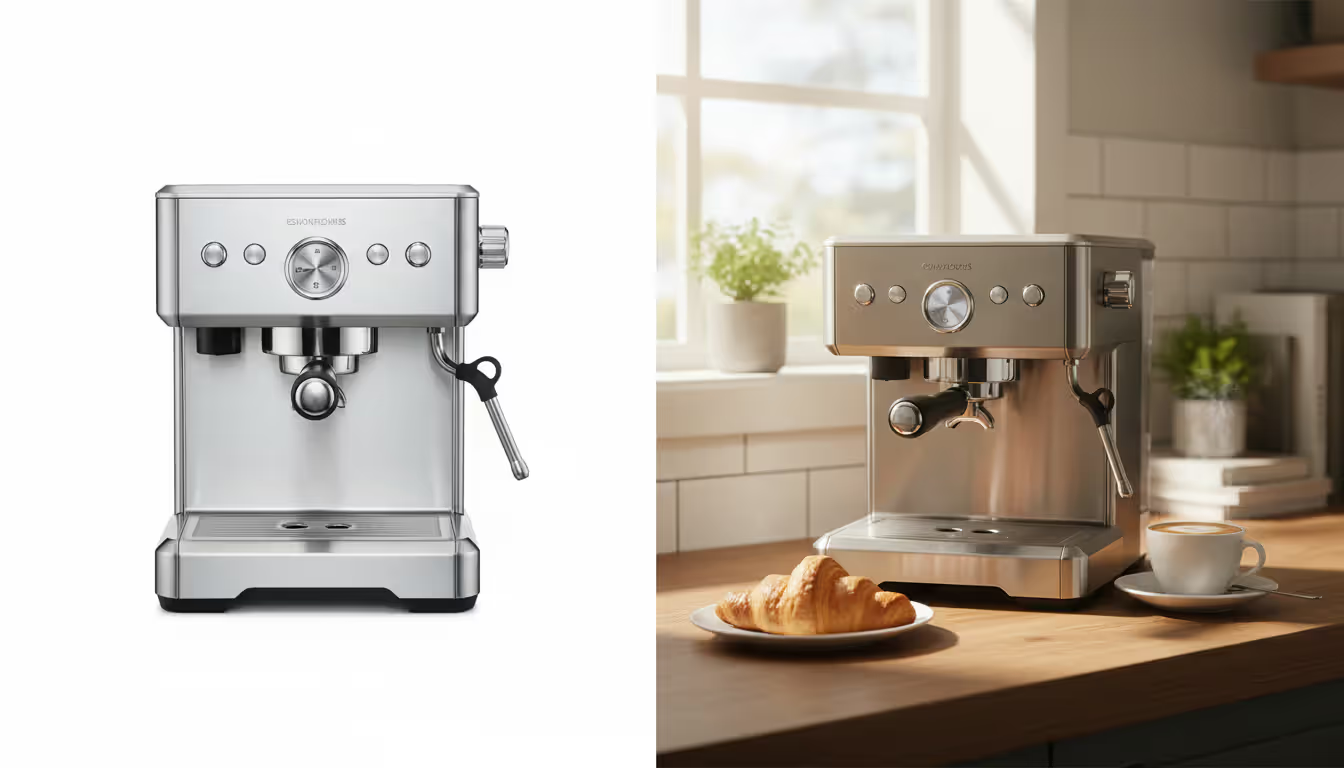
Take two common approaches. White background photography removes all distractions. Just the product, crisp and clear, so shoppers can examine every detail. This works perfectly for online retail where someone's trying to decide between three similar coffee makers. They need to see the control panel, the carafe size, the finish quality.
Lifestyle product shots tell a different story. Instead of that coffee maker floating on white space, you see it sitting on a marble countertop with morning sunlight streaming through a window, maybe a croissant and newspaper nearby. Same product, but now you're selling a feeling—the cozy morning ritual that comes with ownership.
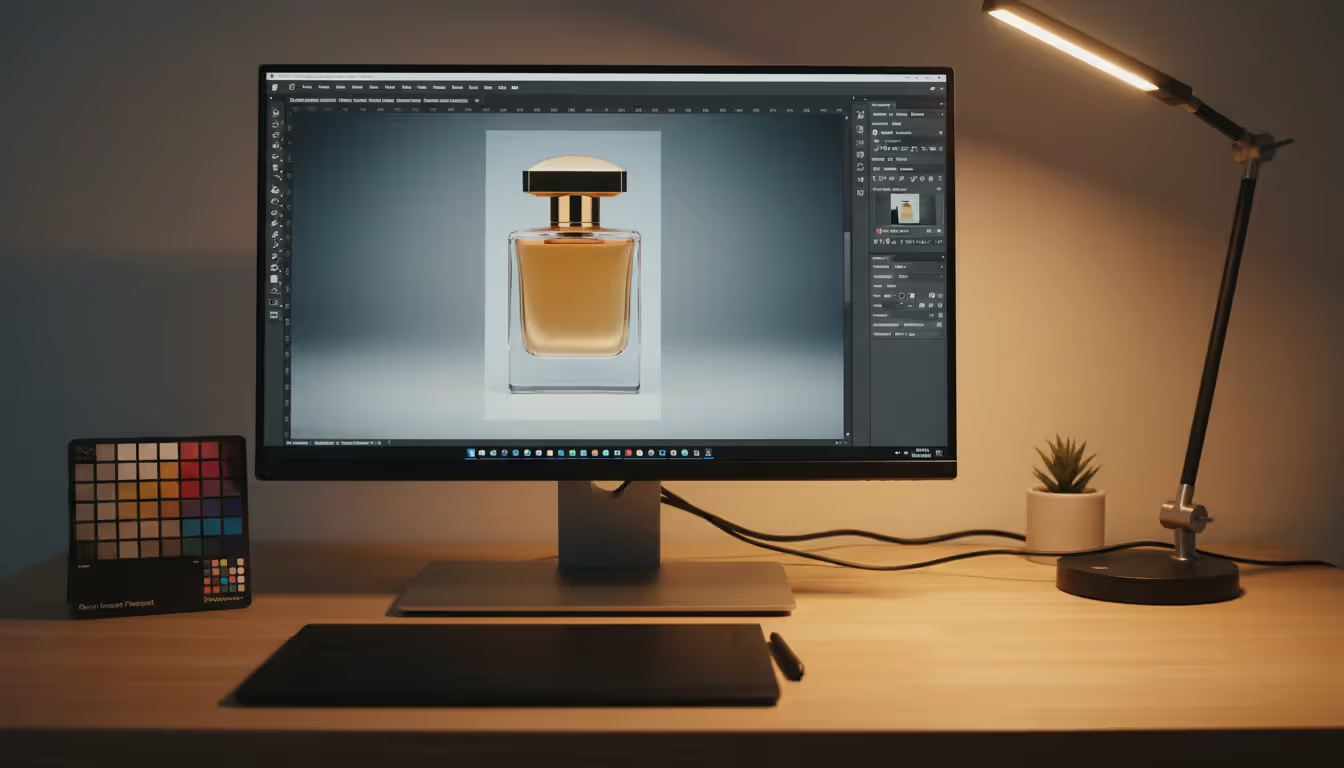
The technical demands can get intense. Colors must match reality perfectly (nobody wants to receive a "burgundy" dress that looks brown on their screen). Lighting needs to reveal texture and dimension without creating ugly shadows. When you're photographing 200 products for a catalog, consistency becomes crucial—every item shot from the same angle, same lighting, same style. Many product photographers develop standardized studio setups they can replicate exactly, shoot after shoot.
Author: Derek Halston;
Source: maryelizabethphoto.com
Lifestyle Photography
Lifestyle photography places products and services inside real-world scenarios with actual people using them. Instead of a yoga mat photographed alone, you see someone doing sunrise meditation on a beach, mat underneath them. You're not just selling a product anymore—you're selling the lifestyle that comes with it.
Brands lean on lifestyle imagery to communicate who they are and who they serve. Patagonia doesn't just show you their jackets; they photograph climbers wearing them on actual expeditions. Blue Apron doesn't display meal kits in isolation; they show families laughing while cooking together in homes that look lived-in and real. A coworking company photographs diverse entrepreneurs collaborating in naturally lit spaces, not empty desks.
The tricky part? Making staged scenarios feel genuine. You're directing models, choosing locations, styling every element, but the final image needs to look like a candid moment you just happened to capture. That requires casting people who genuinely fit the lifestyle you're depicting, finding locations that feel authentic rather than studio-fake, and directing interactions that don't scream "we're posing for a commercial photoshoot!"
You don't take a photograph, you make it
— Ansel Adams
Advertising Photography
Advertising photography creates the bold, concept-heavy images you see in major campaigns—the stuff on bus shelter ads, magazine spreads, pre-roll video frames, and sponsored Instagram posts. These projects typically involve entire creative teams. An art director, copywriter, and strategist develop the concept; the photographer brings it to life.
Production scale often explodes beyond other commercial work. Photographing a car ad might mean getting permits to close down scenic highways, renting specialized camera equipment worth $50,000, coordinating lighting crews of eight people, and scheduling everything around weather conditions. A beauty campaign could involve makeup artists, hair stylists, wardrobe specialists, set builders, and retouchers who'll spend weeks perfecting every pixel.
The photographer here becomes part technical wizard, part collaborative artist. The creative team shows up with detailed sketches showing exactly what they want—specific composition, lighting mood, color palette. Your job is figuring out how to actually capture that vision. You're choosing lenses, positioning lights, directing models, solving problems when weather doesn't cooperate or the prop breaks. Budgets run high, deadlines feel tight, and there's zero room for "we'll figure it out in post."
Fashion and Catalog Photography
Commercial fashion photography—the kind retailers and clothing brands commission—serves a different master than editorial fashion in Vogue. Here, you're helping people decide whether to buy that dress, those jeans, this jacket. The images need to clearly show how garments fit, how fabric drapes, how pieces look in motion.
Catalog photography prioritizes speed and consistency. When J.Crew shoots their fall collection, they might photograph 300 pieces across three days. Every item needs similar angles, consistent lighting, comparable poses so customers can actually compare products. Models know how to position themselves to show a collar properly, demonstrate hem length, reveal pocket details. It's methodical work—not creatively thrilling, but essential for retail operations.
Fashion advertising photography gets more creative freedom. A luxury brand building their fall campaign cares more about communicating brand identity than showing whether the pants have belt loops. These shoots might feature dramatic lighting in unexpected locations, conceptual styling that prioritizes mood over practicality, artistic direction that makes the work feel more like editorial. Both approaches serve commercial ends, but catalog leans utilitarian while fashion advertising chases emotional impact.
Corporate and Industrial Photography
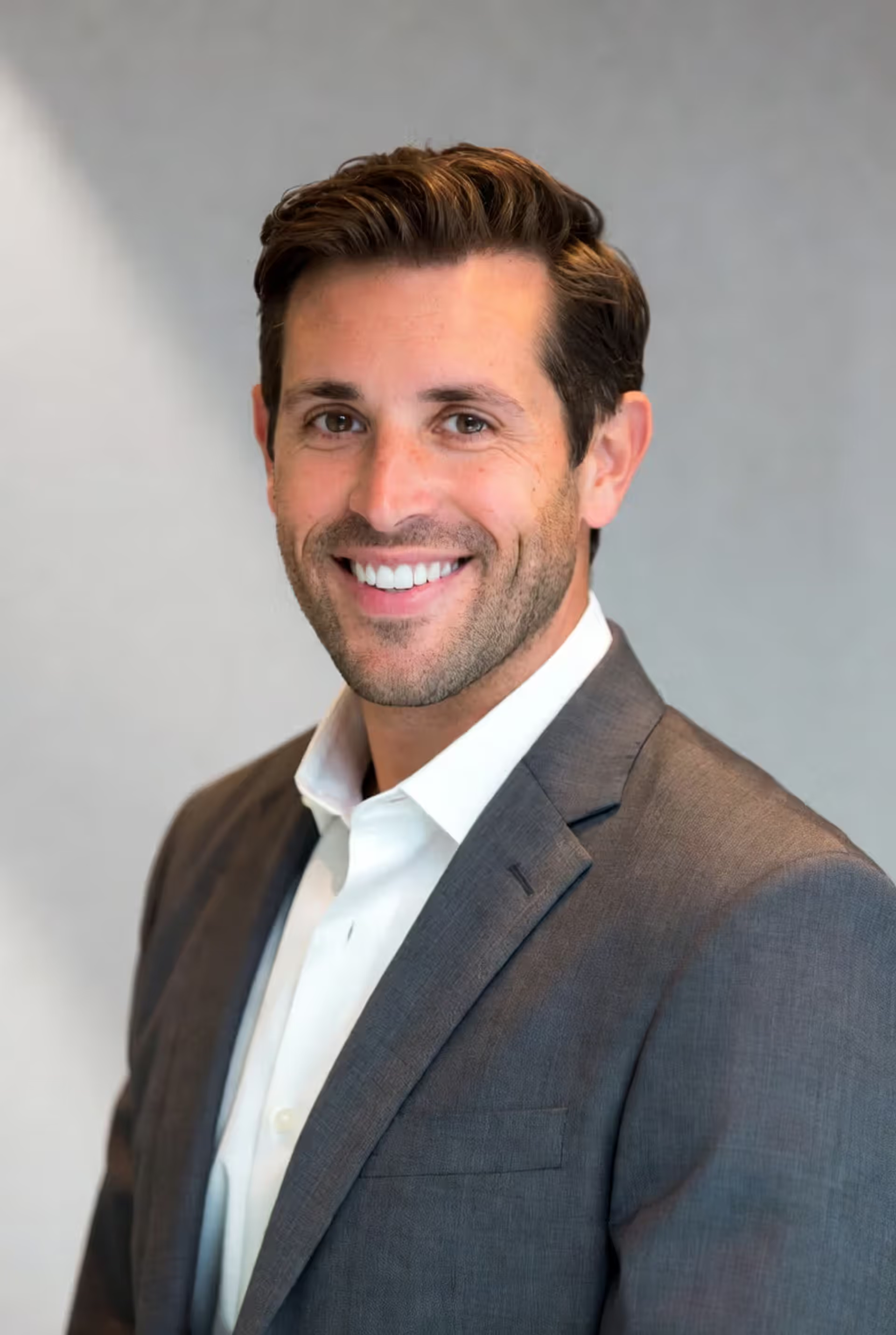
Corporate photography documents the business side of business—executives, employees, facilities, operations. You'll see these images in annual reports, on About Us pages, throughout recruitment materials, in investor presentations. A consulting firm needs professional headshots of their partners plus images of their team working with clients. An accounting practice wants photos for their website that make them look approachable yet competent.
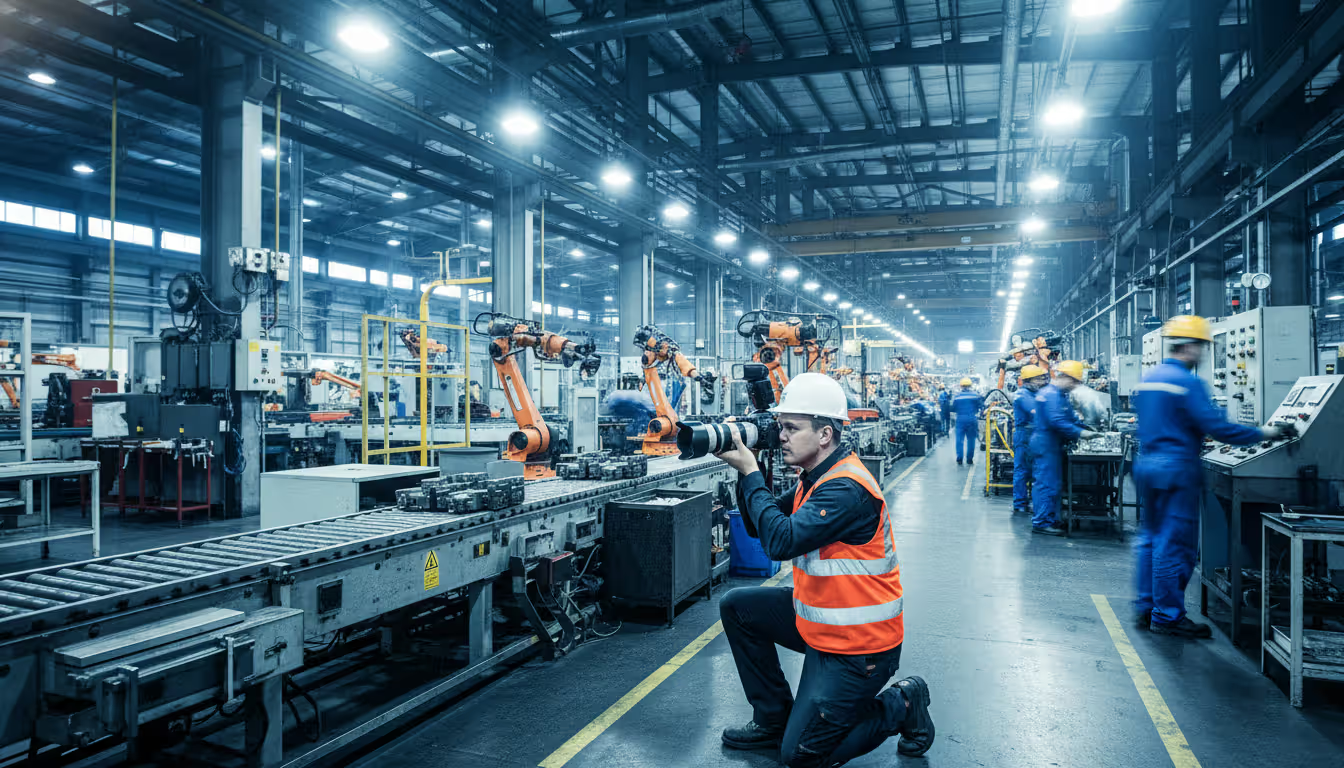
Industrial photography captures the making and moving of things: manufacturing lines, construction sites, warehouse operations, energy facilities, agricultural production. Companies in these sectors need images for capability brochures, trade show displays, proposals where demonstrating scale and sophistication wins contracts. Photographing a food processing plant or a steel fabrication facility requires understanding complex operations and making industrial environments look impressive rather than intimidating.
Both demand photographers who get business contexts and work efficiently in corporate settings. Shooting inside an active factory means following safety protocols and not disrupting production. Photographing a CEO means you've got 15 minutes to capture five different setups because that's all their schedule allows. The work rarely wins photography awards, but it provides steady income for professionals who deliver polished, reliable results every time.
Author: Derek Halston;
Source: maryelizabethphoto.com
How Commercial Photography Works
Most commercial photography projects start with a phone call or email from a client who has a specific need. Maybe it's a growing e-commerce brand that needs to photograph their spring product line—80 items they want shot on white backgrounds plus 15 lifestyle images for Instagram. Maybe it's a healthcare company updating their website and they need photos of doctors with patients, hospital facilities, and medical technology in action. Whatever it is, they should arrive with some clarity about what success looks like.
Smart photographers dig deeper before quoting. What's the actual business goal here? Who's the target customer? Where will these images appear? How will success be measured? A skincare brand targeting luxury buyers needs a completely different approach than one competing on Amazon with budget-conscious shoppers. Understanding context shapes both creative approach and pricing.
The proposal stage separates professionals from amateurs. A real proposal outlines the creative concept, explains the workflow, details what's included (and what costs extra), provides a timeline, and clarifies usage rights. Will the client need to pay for location rentals? Are models required, and if so, who's handling casting and fees? How many final edited images will be delivered? What's the revision policy? Getting this stuff in writing prevents ugly surprises.
Pre-production intensity varies wildly. Straightforward product shoots might just require clearing studio space and organizing a shot list. Complex campaigns need weeks of planning: location scouting across multiple cities, model casting through talent agencies, hiring hair and makeup artists, arranging specialized equipment rentals, securing shooting permits, coordinating insurance certificates, building shot lists that account for every deliverable.
Shoot days themselves range from solo sessions to productions involving 20 people. That product photographer might work alone in their studio across six hours, methodically capturing each item. That advertising photographer might coordinate a crew including three assistants, two lighting technicians, a stylist, a makeup artist, a digital tech, and a client team, across multiple locations over three days. Throughout, the photographer manages both technical execution and creative vision while keeping everything on schedule and on budget.
Post-production transforms hundreds of raw files into the specific deliverables clients actually need. This includes selecting the best shots from each setup, color correcting to ensure accuracy, retouching to remove imperfections, and formatting files to exact specifications. A product photographer might spend a day removing dust spots and ensuring every item's colors match perfectly. An advertising photographer works with retouching specialists across weeks doing complex compositing and refinement. Delivery might happen same-day for rush jobs or take a month for campaigns requiring extensive post work.
Usage rights get defined in the contract and directly impact pricing. Limited usage for a small website costs less than unrestricted use across national advertising campaigns. The photographer might grant web-only rights, or unlimited use across all channels for two years, or exclusive perpetual rights. These terms matter enormously and drive pricing structures.
Author: Derek Halston;
Source: maryelizabethphoto.com
Building a Commercial Photography Portfolio
Your portfolio has one job: convince potential clients you can solve their specific problems. A marketing manager reviewing your work is asking: "Can this person deliver what my brand needs?" Nothing else matters. Not your artistic vision, not your personal projects, not your photography philosophy—just proof you can execute commercial work at a professional level.
Cut ruthlessly. Fifteen killer images beat 50 decent ones diluted by weak work. Every single image should represent your absolute best execution. Here's the test: if you wouldn't feel proud delivering that image to a paying client today, delete it. Showing mediocre work doesn't demonstrate range—it demonstrates you can't tell the difference between strong and weak work.
Match your portfolio to the clients you want. Hoping to shoot products for e-commerce brands? Show product photography. Targeting lifestyle brands? Include lifestyle work. Want corporate clients? Display corporate photography. Seems obvious, but photographers constantly show inappropriate work. That moody black-and-white street photography series might be your favorite personal project, but it won't win you a product photography contract from a beauty brand.
Case studies outperform simple image galleries by showing you understand commercial workflows, not just composition. Instead of displaying isolated photos, present complete projects: the client's challenge, your solution, the final deliverables, and ideally the business results. Show that tech startup product launch from beginning to end—initial brief, your creative approach, behind-the-scenes setup shots, final images, and how they used your work across their marketing. This proves you get how commercial photography actually functions.
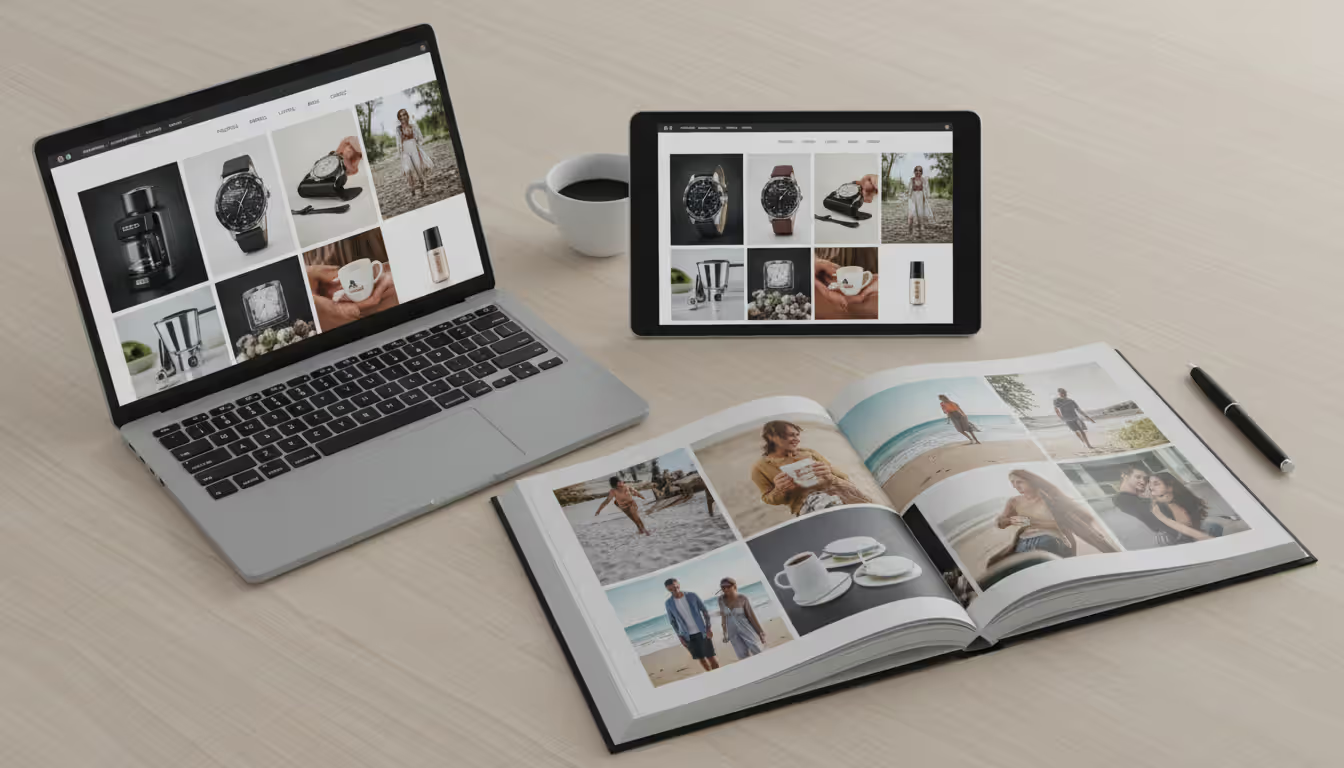
Digital portfolios dominate in 2025, but execution quality matters intensely. Your website should load fast, display images beautifully on phones and tablets, make contacting you effortless, and avoid gimmicky design that distracts from your work. Many photographers maintain profiles on Behance or industry portfolio platforms where creative directors browse for talent. PDF portfolios work for email introductions but shouldn't replace a proper website.
Common mistakes kill otherwise strong portfolios. Including personal work that doesn't demonstrate commercial capability confuses your message. Showing anything older than three years suggests you're not actively shooting. Broken website links or clunky navigation signal lack of professionalism. Forgetting to include clear contact information or basic pricing guidance wastes everyone's time. Treat your portfolio like a commercial product itself—because that's exactly what it is.
Author: Derek Halston;
Source: maryelizabethphoto.com
Pricing and Licensing in Commercial Photography
Commercial photography pricing reflects way more than the photographer's time behind the camera. You're not buying prints or paying for a wedding album—the business model works completely differently. Clients pay for creating images AND for rights to use those images in specific ways.
Day rates offer one pricing structure. The photographer charges a set amount for their time, typically $1,500 to $10,000+ depending on experience, market position, and project demands. A local product photographer might charge $2,000 for eight hours shooting catalog items. An established advertising photographer could command $7,500 daily for campaign work. Day rates generally include creative and technical services, standard equipment, basic post-processing—but not production costs like models or locations.
Project-based fees flip the model. Instead of billing by time, the photographer quotes a complete price covering everything: concept development, pre-production, shoot days, post-production, and delivery of specified final images. A project fee might be $8,000 covering two shooting days, location scouting, crew coordination, and 40 final retouched images. This approach works well for defined scopes and helps clients budget accurately without worrying about hourly overruns.
Usage rights and licensing create the biggest pricing variables. An image created for a small business blog post costs dramatically less than that same photograph licensed for a national billboard campaign. The photographer might charge $2,500 for web-only use, or $18,000 for unlimited use across all media for three years. What drives licensing fees?
Where the images appear: local newspaper vs. Times Square billboard
How long they'll be used: six months vs. five years vs. forever
Which media channels: website only vs. print catalogs vs. TV commercials vs. everything
Whether it's exclusive: client gets sole use vs. photographer can license elsewhere
Company size and industry: startup vs. multinational corporation
Production expenses add another layer beyond creative fees. These include model and talent fees, location rentals, props and wardrobe, assistants and crew members, equipment rentals for specialized gear, travel costs, permits and insurance, catering for long shoots. Smart photographers either estimate these upfront with reconciliation after, or build them into the project fee with transparency about what's included.
Different licensing models serve different needs. Rights-managed licensing grants specific uses with pricing based on scope—this is most common for commissioned commercial work. Royalty-free licensing allows unlimited use after a one-time fee, though commercial photographers rarely offer this for custom client work. Work-for-hire transfers complete copyright to the client, justifying premium fees since the photographer sacrifices all future licensing opportunities.
Both photographers and clients benefit from understanding these structures. A business expecting full perpetual rights for $500 will face immediate disappointment. A photographer charging advertising campaign rates for straightforward product shots prices themselves out of reasonable markets.
How to Hire a Commercial Photographer
Start by getting clear on what you actually need. "We need photography" doesn't give anyone enough to work with. Try this instead: "We're photographing 30 products for our e-commerce relaunch—we need clean white background shots showing multiple angles of each item, plus 12 lifestyle images for social media featuring our products being used in home settings. We want a bright, modern aesthetic that feels upscale but approachable." Now a photographer can quote accurately and understand what success looks like.
Review portfolios for directly relevant experience, not just pretty pictures. A photographer crushing fashion editorial work might lack the technical precision e-commerce product photography demands. Someone specializing in corporate headshots probably doesn't have the creative chops advertising campaigns require. Look for work similar to your needs, executed at a quality matching your brand standards.
Ask specific questions during initial conversations. How have they approached projects like yours before? What does their typical workflow and timeline look like? What's included in their fees versus billed separately? How do revisions work? What usage rights do their base rates include? Will they provide client references you can contact? Photographers with real experience answer these questions confidently and specifically. Vague responses suggest they're figuring things out as they go.
Assess professionalism beyond creative ability. Do they respond to inquiries within 24 hours? Do they ask good questions about your objectives? Can they clearly explain their process without jargon? Commercial photography involves deadlines, stakeholders, budgets, and business pressure. A talented photographer who ghosts emails for three days or can't articulate their workflow creates problems regardless of their artistic skills.
Get detailed written proposals from at least two photographers. Professional proposals outline the creative approach, list specific deliverables, provide clear timelines, break down costs transparently, specify payment terms, and detail what usage rights are included. Comparing proposals reveals who actually understood your brief versus who's sending generic template quotes. Be suspicious of proposals lacking detail or photographers unwilling to commit specifics to writing before you sign.
Budget realistically for professional results. Quality commercial photography costs more than hiring your neighbor's kid with a nice camera, because you're paying for expertise, reliability, proper licensing, business accountability, insurance, and professional equipment. Ballpark expectations: $1,500-$3,000 for basic product sessions, $3,000-$8,000 for lifestyle shoots involving models and locations, $10,000+ for advertising campaigns. Quotes dramatically below these ranges often signal inexperience or hidden costs surfacing later.
Insist on a written contract before any work begins. Proper commercial photography contracts specify deliverables, timeline, payment schedule, usage rights granted, revision policy, cancellation terms, liability provisions, and ownership details. Don't move forward based on friendly conversations and email threads, no matter how much you trust the photographer. When problems arise—and eventually they will—clear contracts provide the only reliable path to resolution.
Between 20-100+ images with white backgrounds or styled settings, showing products from various angles
Clients typically get broad usage rights since they need flexibility for changing marketing needs
Lifestyle Photography
Social channels, website hero images, brand storytelling campaigns, digital ads
$3,000 - $10,000
Usually 15-50 carefully edited images showing real people using products in believable situations
Requires model releases; usage rights often specify platforms and time periods
Advertising Photography
Highway billboards, print magazine campaigns, digital ad networks, major product launches
$10,000 - $50,000+
Typically 5-20 highly retouched hero images, sometimes with format variations for different placements
Licensing fees vary dramatically based on where ads run and campaign scope
Fashion/Catalog
Retail websites, seasonal print catalogs, brand lookbooks, store marketing displays
$2,500 - $15,000
Anywhere from 30-200+ images per session, shot with consistent angles and styling for easy comparison
Catalog usage often includes broad rights; fashion campaigns sometimes more limited
Corporate/Industrial
Annual reports, capability brochures, company websites, recruiting materials
$2,000 - $8,000
Typically 25-75 images covering facilities, manufacturing processes, team members, and products
Usually allows unlimited internal use; marketing and advertising may need additional licensing
Frequently Asked Questions
What is the difference between commercial and editorial photography?
Commercial photography gets hired by businesses to help sell products, promote services, or build brands—the images exist for marketing and advertising purposes. Editorial photography gets commissioned by publications to illustrate articles, document news events, or accompany journalism—these images exist to inform readers. Here's the practical difference: commercial photos endorse and advertise things, editorial photos document and inform about things. When Food & Wine photographs a chef for a restaurant profile, that's editorial. When that same restaurant hires a photographer for their promotional materials, that's commercial work. Editorial images come with usage restrictions—you can't repurpose them for advertisements without completely different licensing agreements and often model releases.
How much does commercial photography cost?
Pricing varies wildly depending on what you're shooting, who's shooting it, how you'll use the images, and what production requirements exist. Basic product photography sessions shooting 20-30 items might start around $1,500-$3,000 for a half-day. Lifestyle photography involving professional models, location rentals, and styling typically runs $3,000-$10,000. Major advertising campaigns with extensive production, creative teams, and broad usage rights commonly hit $10,000-$50,000 or more. Experienced commercial photographers charge day rates between $2,000-$10,000+ depending on specialization and market. Production costs—models, locations, crew, props, travel—usually get billed separately. Usage rights create huge pricing differences; licensing images for national campaigns costs substantially more than limited local website use.
Do I need a license to use commercial photos?
Absolutely—you need proper licensing from whoever owns the copyright, which is typically the photographer unless a work-for-hire contract transferred those rights. When hiring a commercial photographer, your contract should specify exactly what usage rights you're getting: which media channels, what geographic regions, how long you can use them, for what purposes. Using images beyond those specified terms without additional licensing violates copyright law. Stock photography requires licensing too, with terms varying by provider and specific image. Always clarify usage rights before the shoot and get everything in writing. If you later need broader usage than originally licensed, contact the photographer to negotiate expanded rights rather than just assuming you can use images however you want.
What should be in a commercial photography portfolio?
A strong commercial portfolio shows 15-25 of your absolute best images proving you can deliver professional work for paying clients. Include complete project examples or case studies rather than random isolated images—show how your photography solved actual business problems. Display variety within your specialty area: if you shoot products, show different product categories, various lighting techniques, multiple styling approaches. Every single image should represent work you'd proudly deliver to clients today. Make sure you include straightforward contact information and ideally some context about each featured project. Skip personal artistic projects that don't demonstrate commercial applications. Avoid outdated work or anything not representing your current skill level. Your portfolio should definitively answer one question: "Can this photographer deliver what my business needs right now?"
How long does a commercial photography project take?
Timelines depend entirely on project complexity and scope. Simple product photography might wrap completely in one week—four hours shooting, two days for editing and retouching, delivery within seven days total. Lifestyle shoots requiring models, locations, hair/makeup, and styling usually need one to two weeks for pre-production planning, one or two actual shooting days, then another week for post-production and delivery. Major advertising campaigns can span several months from initial creative concepts through multiple shooting days to final retouched deliverables ready for publication. Rush projects happen but expect premium pricing for compressed timelines. When hiring a photographer, discuss timeline expectations upfront, including how long pre-production takes, how many shooting days are required, and when you'll receive final images. Always build buffer time for revision rounds and client approvals.
Can I use stock photos instead of hiring a commercial photographer?
Stock photography works for specific situations but has real limitations. Stock libraries provide affordable immediate access to professional images for blog articles, general social media posts, or basic website content where generic imagery works fine. But stock photos create problems when you need differentiation—competitors might use identical images—and can't showcase your actual products, real team members, or unique brand identity. For product photography, lifestyle imagery featuring your specific offerings, advertising campaigns, or anything requiring authentic brand representation, custom commercial photography delivers dramatically better results. Stock photos also include licensing restrictions limiting how you can use them. Most successful businesses use stock photography for supplemental generic content while investing in custom commercial photography for core marketing materials where authenticity and brand consistency actually matter.
Whether you're running a business and realizing professional imagery directly impacts how customers perceive your brand, or you're a photographer building expertise in this profitable field, understanding how commercial photography actually works helps you make smarter decisions.
Investing in professional commercial photography pays off through stronger brand perception, improved conversion rates, and marketing materials that stand out when everyone's competing for attention. Sure, smartphones put decent cameras in everyone's pocket, but commercial photography's value isn't about equipment access—it's about expertise translating business goals into compelling visuals, technical precision executing consistently at scale, and professional infrastructure delivering properly licensed assets businesses can confidently deploy throughout their marketing.
For photographers, commercial work offers sustainable income and creative challenges blending artistry with practical problem-solving. Success requires more than photographic talent though—you need business skills, strong communication, project management capabilities, and deep understanding of how images function in commercial contexts.
Moving forward, whether you're hiring a commercial photographer or building your own practice, prioritize clear communication, realistic expectations about investment and timelines, and careful attention to licensing and contracts. The best commercial photography relationships happen when everyone understands these images aren't just attractive pictures—they're business assets with specific jobs to perform.
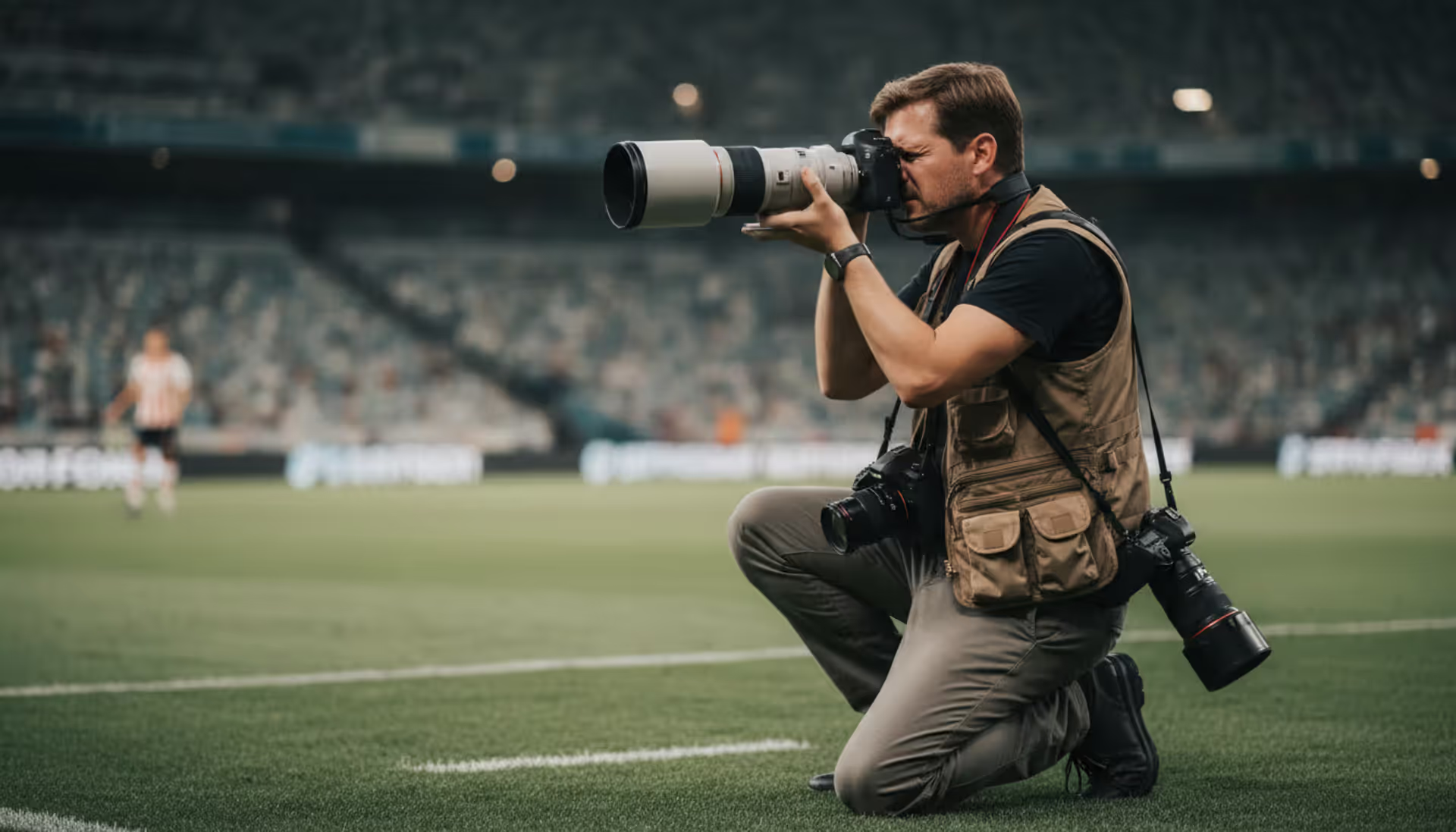
ports photography captures athletes in motion, freezing split-second moments that tell stories of competition and achievement. This specialized field demands technical precision, anticipation skills, and athletic understanding that separates it from other photography genres
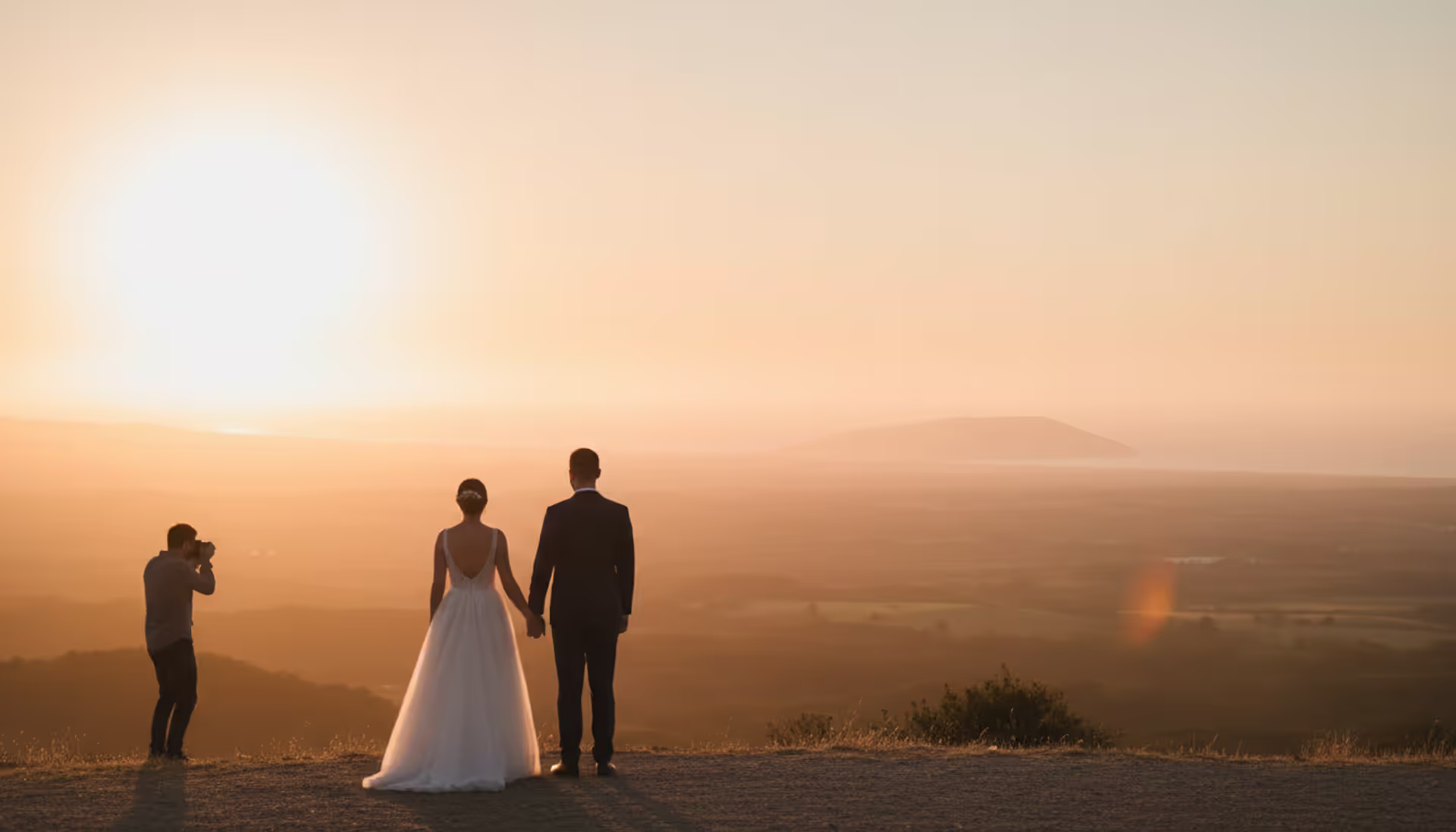
Wedding photography styles define how your celebration gets captured and remembered. From traditional posed portraits to candid documentary coverage, fine art aesthetics to editorial drama, understanding these approaches helps you find a photographer whose vision matches yours and ensures your images reflect your authentic story
Traditional portrait photography creates polished, timeless images through controlled lighting, deliberate posing, and classic composition. Learn what defines this formal approach, how it differs from modern styles, what to expect during sessions, and how to prepare for studio, senior, children's, and couple portraits
Professional real estate photography increases property views by 118% and reduces time on market by 32%. Choosing the right photographer requires understanding service types, evaluating portfolios, verifying credentials, and recognizing common hiring mistakes that cost sellers thousands
The content on this website is provided for general informational and educational purposes only. It is intended to explain concepts related to running a photography business, insurance coverage, marketing, websites, and professional development.
All information on this website, including articles, guides, and examples, is presented for general educational purposes. Outcomes may vary depending on business size, location, and individual choices.
This website does not provide professional legal, insurance, financial, or business advice, and the information presented should not be used as a substitute for consultation with qualified professionals.
The website and its authors are not responsible for any errors or omissions, or for any outcomes resulting from decisions made based on the information provided on this website.