Think of wedding photography styles as different languages photographers use to tell your story. Your cousin might hire someone who orchestrates formal family lineups for an hour, while your best friend's photographer never asked anyone to pose once. Both got married, both have beautiful photos—but the experience and results? Completely different.
Here's the distinction that matters: techniques are about how photographers use their cameras (shutter speed, aperture, lens choice). Styles? That's their entire philosophy for documenting your day. It's the difference between a photographer who stages moments versus one who hunts for them as they happen naturally.
Why should you care? Because choosing poorly means spending thousands on photos that don't feel like you. I've seen couples who hate being the center of attention hire photographers who needed 90 minutes of posed portraits. The photos looked gorgeous. The couple looked miserable in half of them because they were miserable taking them.
Your photography style needs to match how you want to experience your wedding day, not just how you want the photos to look. A spontaneous couple will regret stiff, formal portraits. A couple dreaming of Vogue-worthy images won't love an album full of blurry candids, no matter how "authentic."
Most photographers stick to one or two styles because mastering an approach takes years. That means you need to know what you want before you start shopping around.
Traditional Wedding Photography
Traditional photography is the style your parents probably had—and it's still going strong for good reasons. The photographer runs the show, directing everyone into classic configurations that have worked for decades. You'll stand here, mom and dad will flank you there, everyone will smile at the camera, click.
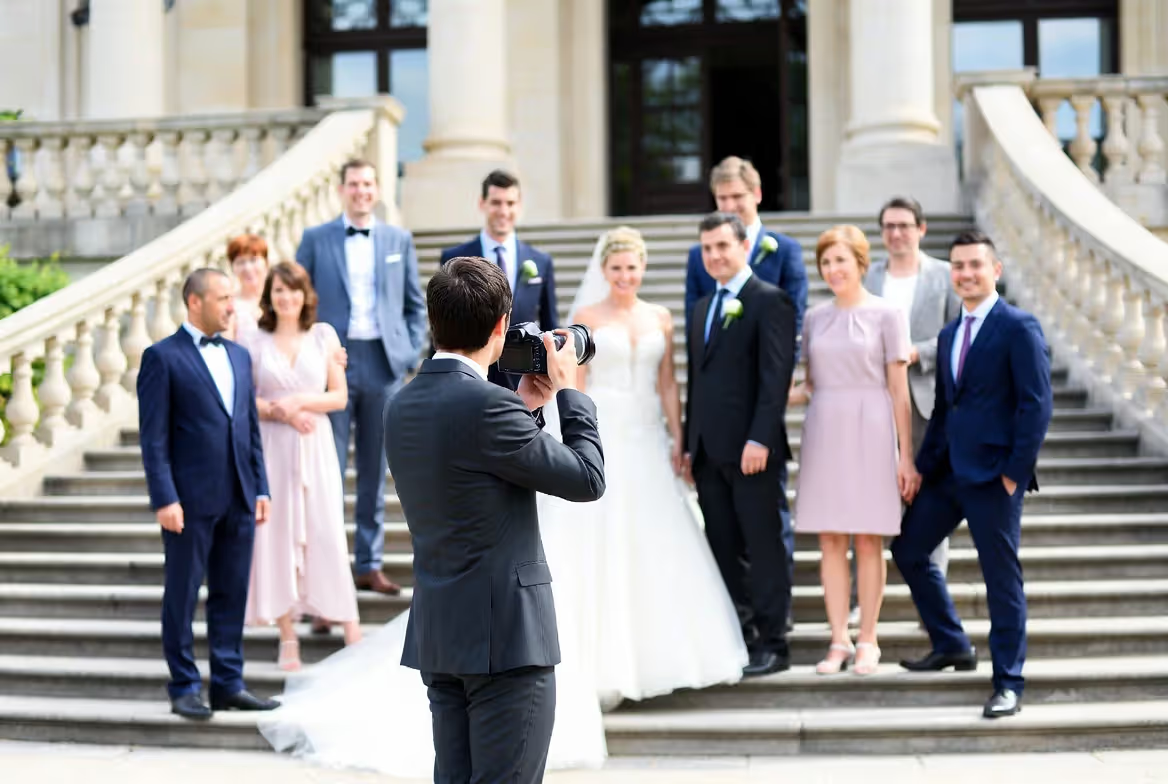
This approach lives and dies by the shot list. Bride with parents. Groom with parents. Both sets of parents together. Entire wedding party. Bridesmaids only. Groomsmen only. Bride and groom with grandparents. You get the idea—expect 30 to 50 different groupings, all carefully posed and lit.
Your photographer becomes equal parts artist and traffic controller, positioning 8 to 10 people efficiently while keeping everyone smiling. Good traditional photographers work fast, maintain energy, and somehow remember that your uncle and aunt are divorced and shouldn't stand together.
This style shines when family documentation tops your priority list. Got 40 relatives flying in from across the country? Complicated family dynamics where certain people need photos together? Elderly grandparents who might not make it to future milestones? Traditional photography ensures you capture everyone clearly and comprehensively.
The downside hits your timeline. You'll spend 45 to 90 minutes on formal portraits, usually right after the ceremony when guests are heading to cocktail hour without you. Some couples find this tedious. Others appreciate the structure—no guesswork about whether you got the shots you need.
Traditional photography suits formal venues beautifully: hotel ballrooms, country clubs, religious sanctuaries where classic elegance makes sense. It also works for couples who simply want thorough family documentation and don't mind investing the time.
Author: Derek Halston;
Source: maryelizabethphoto.com
Documentary Wedding Photography
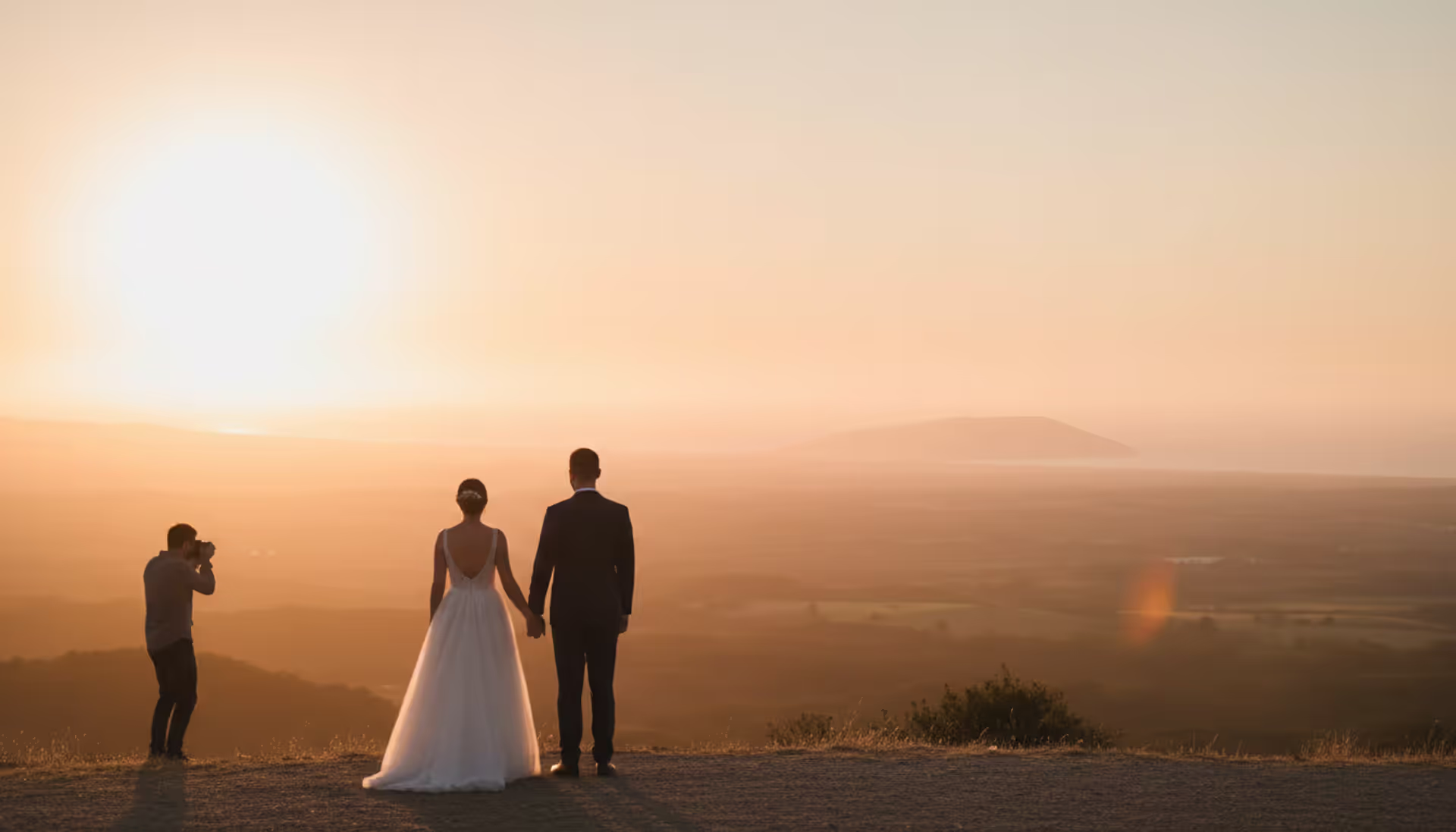
Documentary photographers pride themselves on becoming invisible. They position themselves strategically, anticipate meaningful moments, then capture what actually happens without interfering. No "hold that pose" or "do that again"—just observation and quick reflexes.
This approach treats your wedding like a news story unfolding in real time. That means genuine tears during vows, spontaneous laughter at toasts, quiet moments between chaos that you didn't know were happening. Your grandmother dabbing her eyes during the ceremony. Your partner's face when they first see you. Your best friend fixing your dress without being asked.
The power of documentary wedding photography comes from its emotional honesty. Flip through these albums and you don't see people performing for a camera—you see the day as it actually felt. No fake smiles. No awkward posing. Just real humans experiencing real emotions.
But here's the risk: you're trusting your photographer's eye completely. No do-overs. If they miss focus on a key moment or get stuck behind a tall guest during your first kiss, that's the reality you're left with. Documentary photography demands exceptional skill—knowing where to stand, when to shoot, how to anticipate the next moment.
This style requires a certain personality fit. You need to feel comfortable not controlling the process. Some couples want to review and approve poses. Others stress about whether they "look good" in candid shots. If that sounds like you, documentary photography might create more anxiety than joy.
Documentary coverage works brilliantly for relaxed, intimate weddings where emotional authenticity matters more than aesthetic perfection. Think backyard celebrations, elopements, or any event where you'd rather enjoy your guests than spend an hour on portraits.
Fine Art Wedding Photography
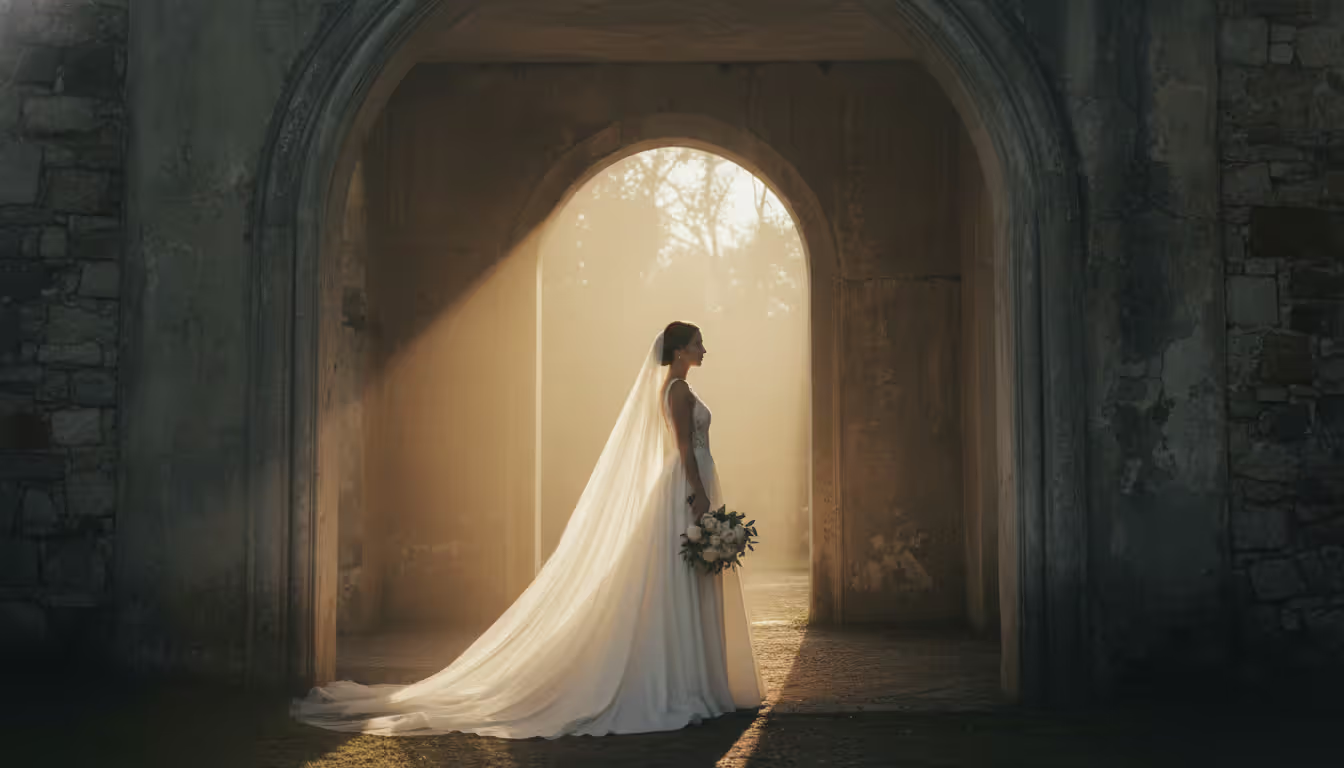
Fine art photographers approach your wedding the way a painter approaches a canvas—every element matters. They're obsessed with light quality, compositional balance, color harmony, and creating images worthy of gallery walls or coffee table books.
You won't get snapshots with these photographers. Instead, expect carefully constructed portraits where they position you against architectural details, wait for perfect golden-hour light, or arrange your veil to create elegant lines. They might spend 10 minutes perfecting a single shot, adjusting angles until everything aligns.
Many fine art photographers shoot film or edit to mimic film's dreamy, organic quality. Think muted tones, intentional grain, timeless aesthetics that avoid trendy filters. They're creating art that should feel just as beautiful in 30 years.
This style demands collaboration. The photographer guides you—not as aggressively as traditional photography, but you're definitely taking direction. "Turn your shoulder slightly. Tilt your chin down. Look at each other, not me." Expect to invest significant time in portraits, often during the best natural light windows.
Fine art photography attracts design-conscious couples who view their wedding as a curated aesthetic experience. You've probably spent months on details: custom invitations, specific color palettes, carefully chosen florals. Your photos should reflect that same attention to beauty.
Venues matter enormously here. Fine art photographers need visual richness to work with—European-style estates, botanical gardens, architecturally significant buildings, vineyards with rolling landscapes. A generic hotel ballroom doesn't provide the raw material they need.
The potential compromise? Missing spontaneous moments while constructing perfect shots. Some fine art photographers blend in documentary coverage, but others focus so intensely on artistic portraits that timeline gaps emerge.
Author: Derek Halston;
Source: maryelizabethphoto.com
Editorial and Fashion-Forward Styles
Editorial wedding photography borrows heavily from high-fashion magazines—think Vogue spreads, not your grandmother's wedding album. These photographers create dramatic, styled images with bold composition, contemporary posing, and serious visual impact.
You might pose walking away from the camera. Stand in geometric formations with your wedding party. Shoot details styled like product photography. Get photographed from unusual angles that prioritize graphic interest over traditional flattery. The goal isn't timeless romance—it's modern, magazine-cover glamour.
Here's how editorial differs from fine art: fine art leans romantic and timeless, while editorial embraces current trends aggressively. Fine art might position you in soft window light with elegant simplicity. Editorial might photograph you in harsh architectural shadows with edgy, asymmetrical framing.
This style suits couples who follow wedding trends closely, invest in high-fashion attire, and plan cohesive, design-forward celebrations. Your venue probably skews modern—industrial lofts, contemporary hotels, urban rooftops, or outdoor spaces styled meticulously for Instagram.
Editorial photographers often deliver smaller, more curated galleries than documentary shooters. They're not trying to document every moment; they're creating a fashion story using your wedding as the narrative framework.
The challenge comes when editorial vision overshadows your actual experience. Heavily styled photography can feel disconnected from what your wedding actually felt like—gorgeous images of an event that doesn't match your memories.
Dark and Moody vs. Light and Airy Styles
Author: Derek Halston;
Source: maryelizabethphoto.com
How your photographer edits photos creates as much stylistic impact as how they shoot. Two editing aesthetics dominate wedding photography right now, creating totally different emotional tones from identical raw files.
Dark and Moody Photography
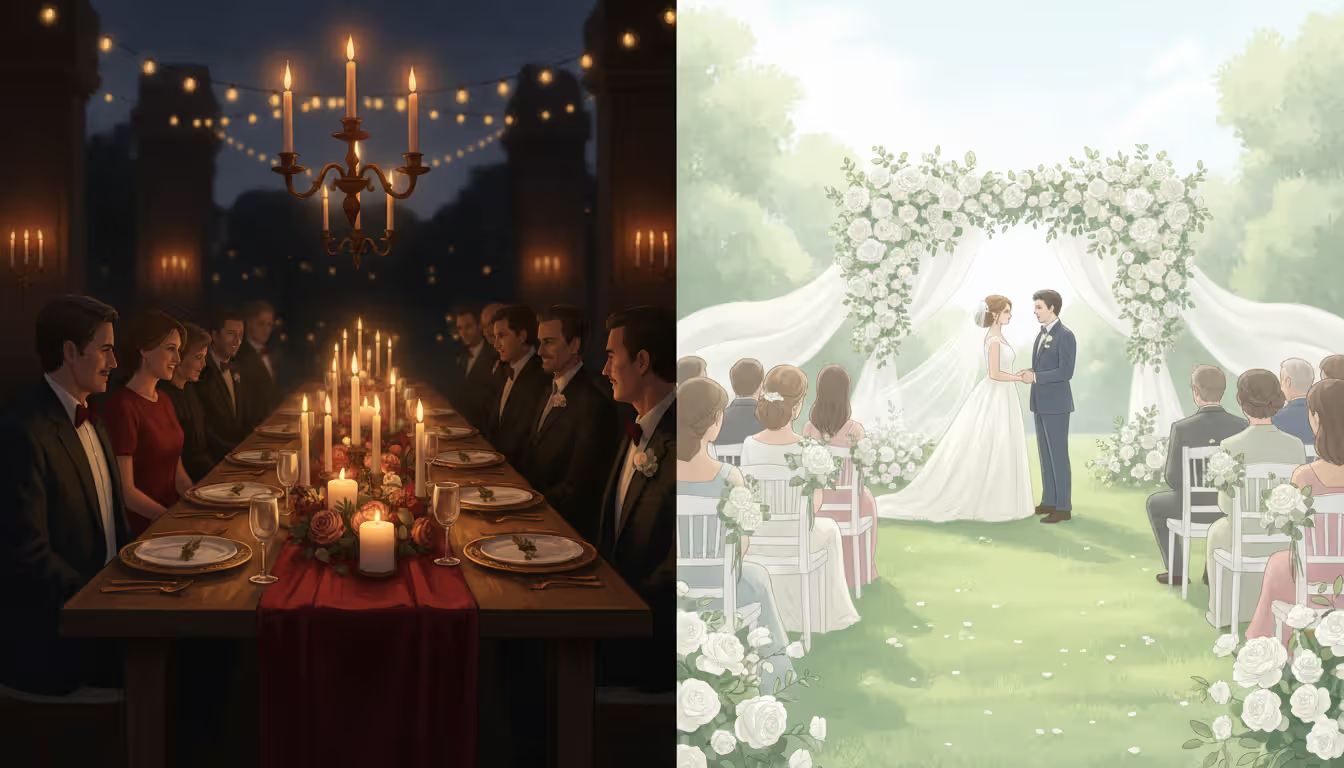
Dark and moody editing crushes shadows into deep blacks, cranks up contrast, and saturates colors for cinematic drama. Blacks stay black instead of fading to gray. Colors pop intensely. The overall feel? Film noir meets romantic period drama.
This aesthetic turns ordinary venues into dramatic spaces. A simple hotel ballroom becomes intimate and sophisticated. Evening receptions glow with warmth. Candlelit ceremonies feel genuinely romantic instead of just dim. Textures—lace, velvet, wood grain, stone—practically jump off the screen.
Dark and moody works beautifully for fall and winter weddings, especially evening celebrations. It suits jewel-tone color palettes (burgundy, emerald, navy), venues with architectural character, and couples who lean toward sophisticated, intimate vibes over bright, cheerful energy.
One warning: dark editing can make dark skin tones look muddy if the photographer doesn't know what they're doing. Review galleries of weddings with similar lighting and skin tones to yours before booking.
Light and Airy Photography
Light and airy editing goes the opposite direction—lifting shadows to soft gray, reducing contrast, and often slightly desaturating colors for an ethereal, dreamy quality. Everything feels bright, fresh, optimistic. Think fine art watercolor paintings.
This approach makes spaces feel larger and more open. It emphasizes delicate details beautifully: lace textures, pastel florals, flowing fabrics, soft makeup. Light and airy editing screams romance and timeless elegance.
It particularly suits outdoor weddings, garden ceremonies, beach celebrations, and spring or summer events with abundant natural light. Pastel color schemes look gorgeous with this editing. So do white, cream, and blush palettes.
The limitation? Light and airy can wash out darker colors and make dramatic venues look flat. A moody industrial loft or richly colored ballroom might lose visual interest when edited too brightly.
How to Choose Your Wedding Photo Style
Couples screw this up by falling in love with one gorgeous Instagram post instead of thinking about their actual wedding day experience. You might see a stunning editorial portrait and book that photographer, then discover they need 90 minutes of creative shooting time. If you hate being the center of attention, you'll be miserable—even though the photos look incredible. The right style captures beautiful images while matching how you actually want to spend your celebration
— Rachel Martinez
Start by creating a secret Pinterest board or phone folder. Save 30 to 50 wedding photos you genuinely love without overthinking why. Just trust your gut—if it makes you feel something, save it.
Now study your collection. What patterns emerge? Are most images candid or posed? Bright or dramatic? Tightly cropped on faces or showing full environments? This reveals your instinctive preferences before anyone's marketing influences you.
Get honest about your comfort level being photographed. Do you freeze up when cameras point at you? Documentary or photojournalistic styles let you mostly ignore the photographer. Enjoy creative collaboration and don't mind being the center of attention? Fine art or editorial approaches might suit you better.
Your venue and overall wedding vision should align with your photography style. A rustic barn with wildflower bouquets pairs awkwardly with stiff, formal portraits. A black-tie ballroom celebration deserves more than iPhone-quality candids. Match your visual language across all elements.
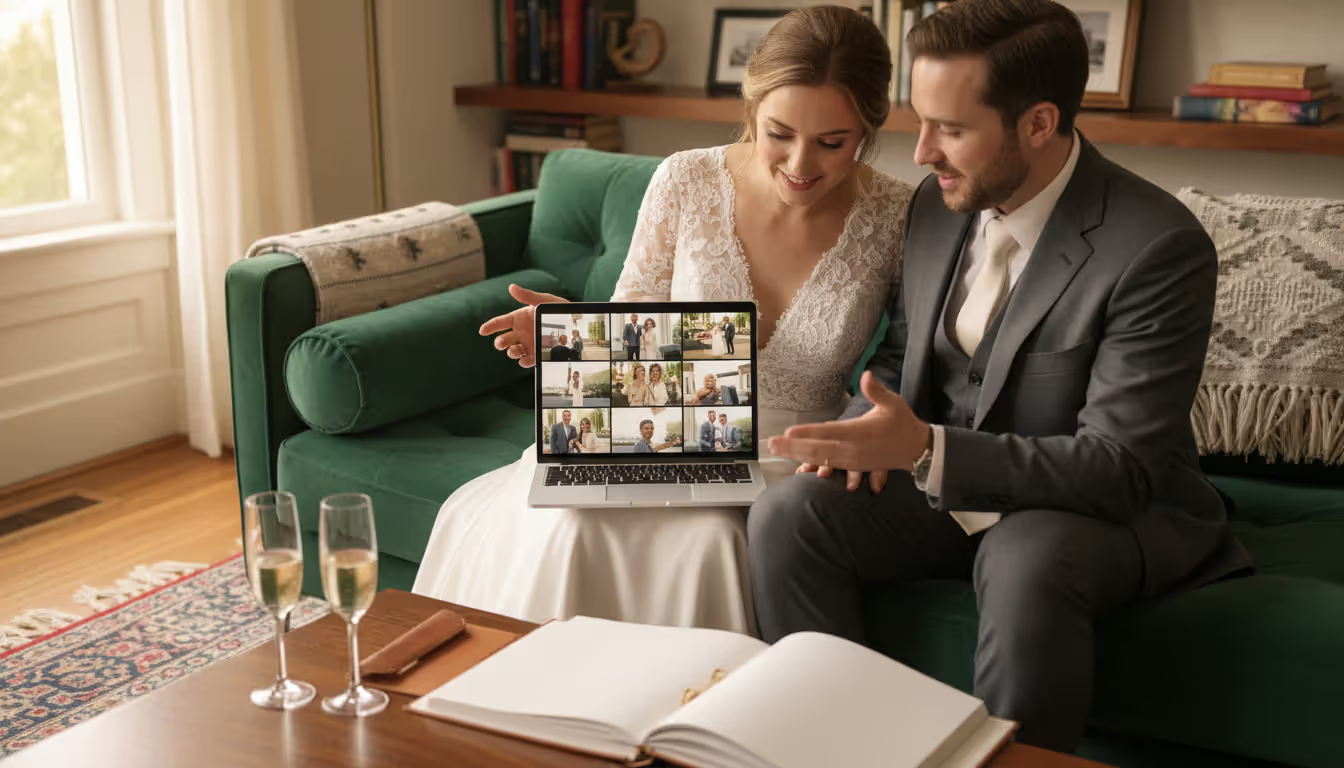
When interviewing photographers, skip vague questions. Instead ask: "What percentage of my gallery will be candid versus posed?" "Can I see three complete wedding galleries from start to finish?" "Walk me through how you'd photograph our ceremony in low light without flash."
Those complete galleries matter more than highlight reels. Every photographer can assemble 50 gorgeous images. Can they deliver 500 strong ones? Do they maintain quality when lighting gets challenging? How do they handle awkward reception hall lighting or boring ceremony backgrounds?
Most photographers blend styles instead of working purely in one category. You might find documentary shooters who allocate 20 minutes for family portraits, or traditional photographers who capture candid moments between posed groups. Communicate your priorities clearly: "We need comprehensive family photos, but we want 70% of coverage focused on candid moments."
Author: Derek Halston;
Source: maryelizabethphoto.com
Comparison of Wedding Photography Styles
Style
What It Looks Like
Works Best For
What You'll Pay
How It's Edited
How Much Posing
Traditional
Formal group portraits; everyone looking at camera; organized family shots
Timeline logistics impact style compatibility more than couples realize. Documentary photography needs breathing room—gaps between events where candid moments develop naturally. Running a packed schedule with zero downtime? You need a photographer who works efficiently during structured moments rather than relying on in-between time.
Your guest count shifts style practicality. Weddings with 200+ guests and extensive family portrait requirements demand photographers comfortable directing large groups efficiently. Intimate 30-person celebrations benefit more from documentary coverage capturing the relaxed, personal atmosphere.
Budget influences style options, though not as predictably as you'd think. Yes, fine art and editorial photographers often charge premium rates ($6,000–$15,000), but exceptional documentary photographers command similar fees because the skill level required is extraordinary. Meanwhile, some traditional photographers charge $2,500 while others with strong reputations price at $8,000.
Test your style preferences through imagination. Picture your first dance. Do you want one perfectly composed, magazine-worthy shot with dramatic lighting? Or would you prefer 30 candid images from different angles capturing genuine expressions—yours, your partner's, your parents watching? Your instinctive answer reveals whether you prioritize aesthetic perfection or comprehensive emotional documentation.
Look at photographers' work on your phone, not just a computer. You'll share 90% of your photos via text, Instagram, or digital albums. Images should look compelling on small screens. Some editing styles that stun on a 27-inch monitor look muddy or washed out on phones.
Ask photographers how they handle problems. What's their backup plan if rain cancels your outdoor portrait session? How do they manage terrible lighting in ceremony venues that prohibit flash? Their answers reveal whether they adapt to your wedding's reality or force your day into their predetermined vision.
Frequently Asked Questions About Wedding Photography Styles
Can you mix different wedding photography styles?
Absolutely—most modern photographers blend approaches rather than sticking rigidly to one category. You might hire someone who shoots primarily documentary but sets aside 30 minutes for artistic couple portraits. Or book a traditional photographer who captures candid moments between formal groupings. The key is communicating clearly: "We want 80% candid coverage with 20% directed portraits for family and couple shots." Then review their complete galleries to confirm they actually execute mixed styles well instead of half-assing both.
What is the most popular wedding photography style right now?
Documentary and photojournalistic approaches dominate current bookings, typically combined with light-and-airy editing for romantic, authentic vibes. But here's the thing—popular shouldn't drive your decision. Photography trends cycle constantly, but your wedding photos last forever. Choose what genuinely resonates with you, not what's trending on Instagram this year. Photos that reflect your authentic preferences will feel timeless to you, even if the broader style falls out of fashion.
How much does wedding photography style affect pricing?
Less than you'd expect. Style influences pricing far less than photographer experience, market reputation, and what's included in packages. Editorial and fine art photographers often charge $5,000–$15,000+ because they typically serve luxury markets, not because those styles inherently cost more. Documentary photography requires incredible skill and often runs $4,000–$10,000. Traditional photography spans the widest range ($2,000–$8,000+) depending on the shooter's reputation. Always compare complete packages—coverage hours, edited image counts, albums, engagement sessions—rather than just base prices.
What's the difference between documentary and photojournalistic wedding photography?
Practically nothing in wedding contexts—photographers use these terms interchangeably. Technically, "photojournalistic" refers to strict news-style photography with zero interference, while "documentary" allows slightly more artistic interpretation. But most wedding photographers blend both concepts freely. Don't get hung up on terminology debates. Just look at their actual galleries to see how much they intervene versus observe.
Should I choose a photographer based on their style or personality?
Both matter enormously, and you can't compromise on either. You'll spend 8–10 hours with your photographer on your wedding day—more time than almost anyone except your partner. A photographer with a gorgeous portfolio but clashing personality creates stress all day and might miss important moments because communication breaks down. Conversely, a delightful person whose style doesn't match your vision delivers beautiful images you don't actually want. Start by narrowing to photographers whose style excites you, then interview to assess personality fit before booking.
How do I know which wedding photo style matches my vision?
Look at your life for clues. How's your home decorated? What's hanging on your walls? What clothes fill your closet? If you love minimalist design and neutral tones, light-and-airy or fine art photography probably appeals to you. Into bold colors and dramatic movies? Consider dark-and-moody or editorial styles. Also ask yourself: in 20 years, what do I want to remember—the polished, magazine-perfect version of my wedding, or the authentic, imperfect moments exactly as they happened? That answer points you toward editorial/fine art versus documentary approaches.
Your wedding photography style determines how you'll remember one of life's biggest days—so choose based on your authentic preferences, not what looks impressive on someone else's Instagram or what's trending this season.
The photographers worth hiring feel like collaborators who genuinely understand what you value, not salespeople pushing a predetermined package. Invest time reviewing complete wedding galleries (not just highlight reels), ask specific questions about their approach to challenging scenarios, and trust your gut about both their work quality and your working relationship.
Remember that photography style extends way beyond just shooting approach. It includes editing aesthetics, coverage priorities, time allocation, and how photographers interact with you and your guests throughout the day. The ideal match delivers images you'll genuinely love while creating a wedding day experience that feels natural and enjoyable, not stressful or performative.
Start searching early—great photographers book 12–18 months out. Communicate your vision clearly using specific examples, not vague adjectives. And don't settle for a photographer whose style almost matches what you want. Your wedding photos outlast your flowers, your cake, your dress, and sometimes your marriage. They deserve the same careful consideration you'd give any investment you'll live with for decades.
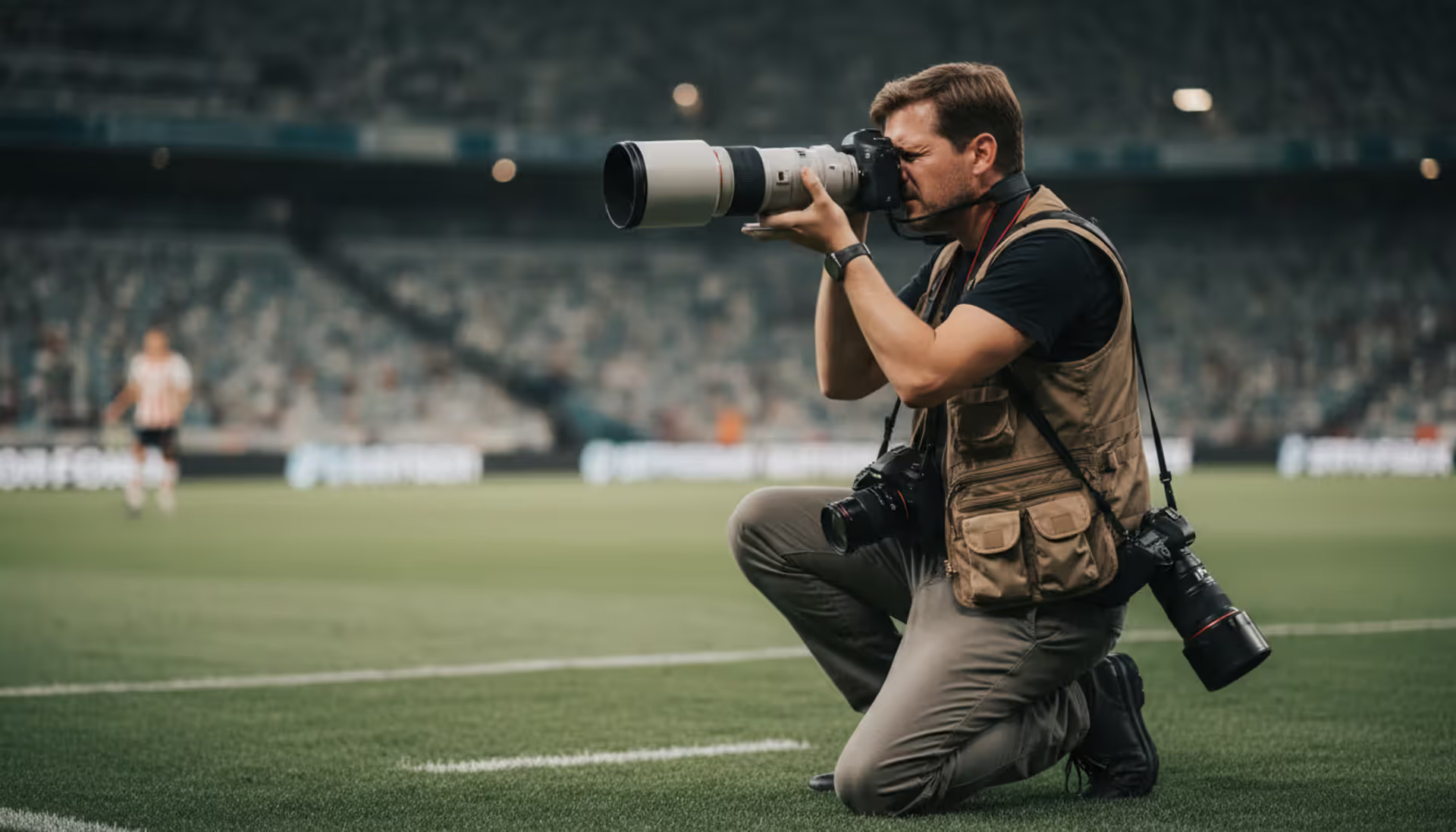
ports photography captures athletes in motion, freezing split-second moments that tell stories of competition and achievement. This specialized field demands technical precision, anticipation skills, and athletic understanding that separates it from other photography genres
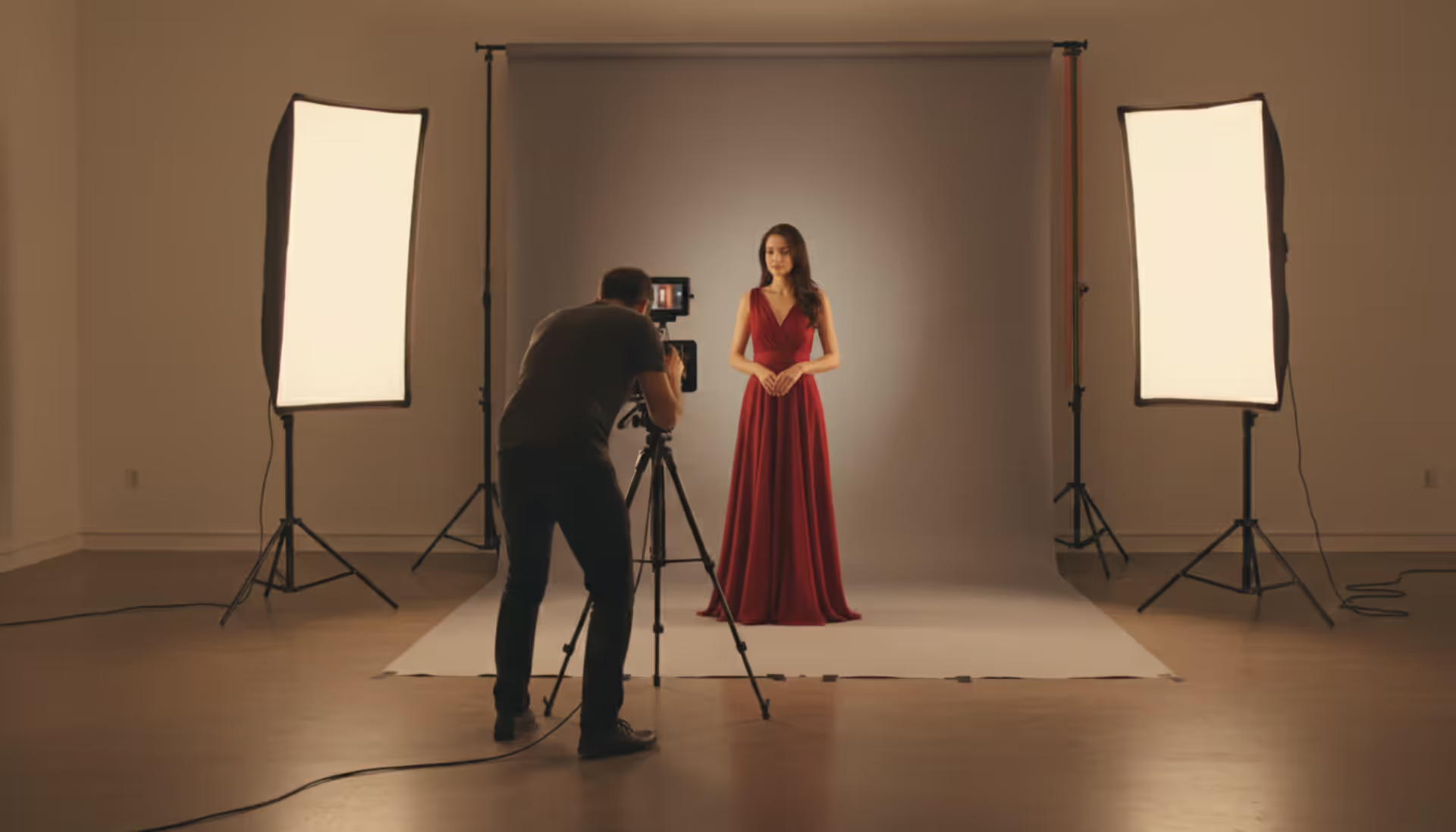
Traditional portrait photography creates polished, timeless images through controlled lighting, deliberate posing, and classic composition. Learn what defines this formal approach, how it differs from modern styles, what to expect during sessions, and how to prepare for studio, senior, children's, and couple portraits
Professional real estate photography increases property views by 118% and reduces time on market by 32%. Choosing the right photographer requires understanding service types, evaluating portfolios, verifying credentials, and recognizing common hiring mistakes that cost sellers thousands
Hiring professionals to capture your most important moments requires understanding what you're actually paying for and how to identify providers who match your vision and budget. Learn about service packages, pricing structures, and common mistakes to avoid when booking photographers and videographers
The content on this website is provided for general informational and educational purposes only. It is intended to explain concepts related to running a photography business, insurance coverage, marketing, websites, and professional development.
All information on this website, including articles, guides, and examples, is presented for general educational purposes. Outcomes may vary depending on business size, location, and individual choices.
This website does not provide professional legal, insurance, financial, or business advice, and the information presented should not be used as a substitute for consultation with qualified professionals.
The website and its authors are not responsible for any errors or omissions, or for any outcomes resulting from decisions made based on the information provided on this website.