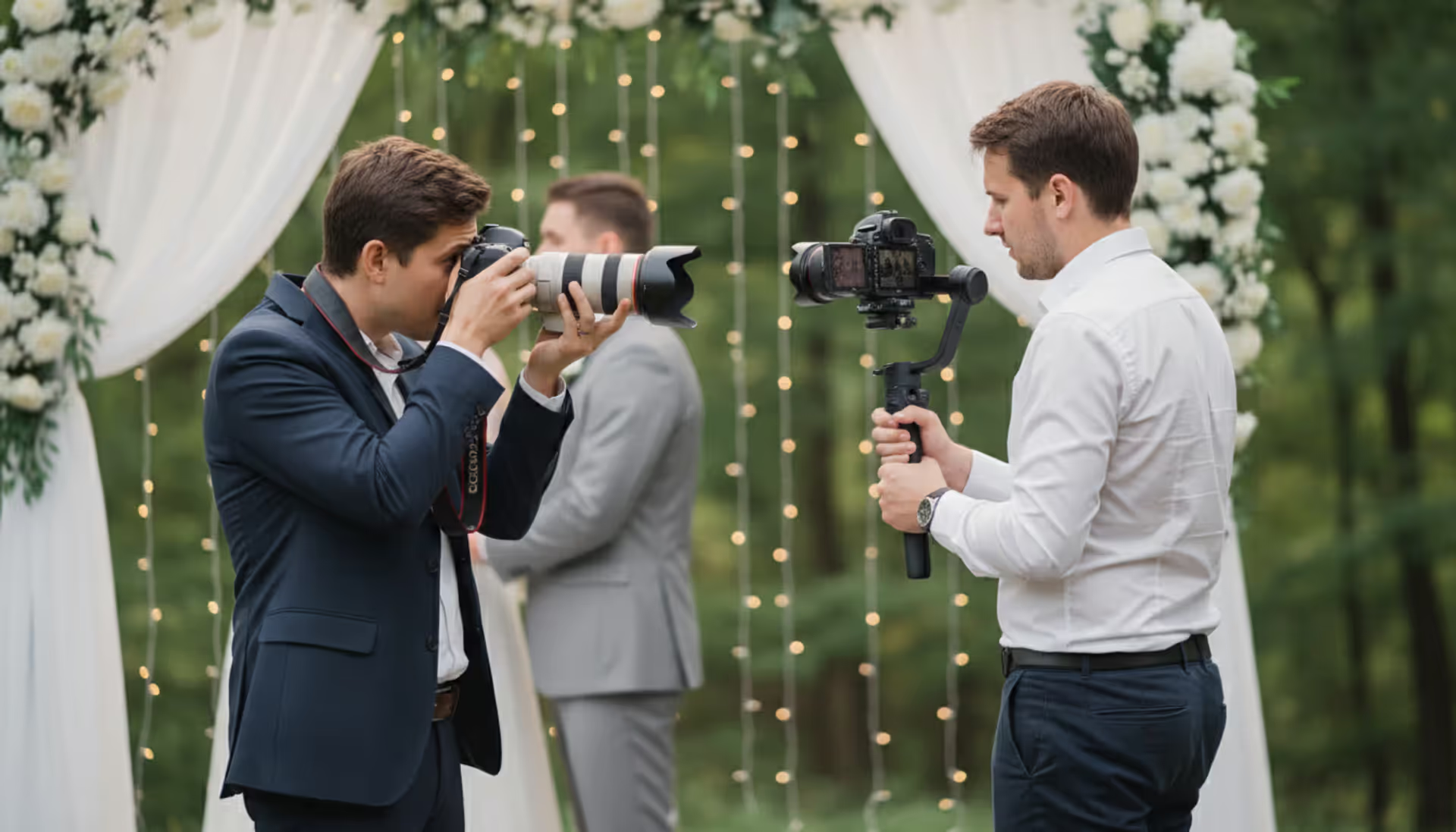
Professional photographer and videographer working together at an outdoor wedding ceremony, capturing the couple at the altar with professional camera equipment and a gimbal stabilizer
Hiring professionals to capture your most important moments—whether a wedding, product launch, or corporate event—requires understanding what you're actually paying for and how to identify providers who match your vision and budget.
What Photography and Videography Services Include
When you book a photography and videography service, you're purchasing more than someone showing up with a camera. Professional packages typically include pre-event consultations, equipment setup, shooting time, post-production editing, and delivery of final assets in agreed-upon formats.
Most photography and videography services offer tiered packages. A basic tier might include coverage for a set number of hours with digital files delivered via online gallery. Mid-tier packages often add second shooters, extended coverage, or printed albums. Premium options can include drone footage, same-day edits, raw file access, and unlimited revisions.
Deliverables vary widely by provider and service type. For photography, expect high-resolution digital images, often with basic color correction and cropping. Some photographers provide print rights while others retain commercial use restrictions. Videography deliverables commonly include a highlight reel (3-5 minutes), full ceremony footage, and sometimes raw clips. Turnaround times range from two weeks for rush jobs to three months for complex wedding edits.
Package structures usually price by the hour, by the project, or through day rates. Hourly rates work well for shorter sessions like family portraits or headshots. Project-based pricing suits product shoots where the number of final images matters more than time spent. Day rates make sense for weddings and events where coverage spans many hours with unpredictable timing.
Author: Olivia Wrenford;
Source: maryelizabethphoto.com
Hidden elements often overlooked: travel fees beyond a certain radius, assistant costs for larger productions, expedited editing charges, and licensing fees for commercial use. Always clarify what "unlimited photos" actually means—it rarely means every single frame captured.
Wedding Photography and Videography Explained
Wedding coverage represents one of the most demanding photography and videography for weddings scenarios. A typical full-day package covers getting-ready moments through the reception's final dance, spanning 8-12 hours of active shooting.
Coverage styles break into several categories. Photojournalistic approaches capture candid moments without heavy posing. Traditional styles emphasize formal portraits and staged family groupings. Fine art wedding photography focuses on creative composition and dramatic lighting. Most couples benefit from a blend—structured family photos combined with natural moments throughout the day.
For videography, cinematic styles use film-like color grading, steady gimbal shots, and narrative editing. Documentary approaches prioritize authentic audio and chronological storytelling. Some videographers specialize in short-form content optimized for social media, delivering vertical clips perfect for Instagram stories alongside traditional formats.
Pre-wedding consultations matter more than many couples realize. These meetings establish shot lists, identify must-have family groupings, discuss venue logistics, and align on editing preferences. A photographer who skips this step often misses crucial moments because they didn't know Great-Aunt Martha traveled from overseas specifically for the ceremony.
Author: Olivia Wrenford;
Source: maryelizabethphoto.com
Choosing Between Photography-Only vs. Combined Services
Hiring separate specialists versus a single company offering both photography and videography wedding services involves real trade-offs. Separate vendors often bring deeper expertise in their specific medium. A photographer who only shoots stills may have superior composition skills compared to someone splitting focus between photo and video.
Combined services from one company simplify coordination. You deal with one contract, one point of contact, and a team already accustomed to working together. They won't accidentally block each other during key moments like the first kiss. Pricing often comes at a modest discount compared to booking two separate vendors.
The downside: you're locked into that company's videographer even if their photo portfolio impressed you but their video samples seemed mediocre. For couples prioritizing video over stills, booking a premier videography team and a separate photographer makes sense. For those valuing photos more highly, reverse the priority.
Budget constraints often decide this question. A top-tier photographer might cost $4,500 while their video partner charges $3,800—totaling $8,300. A combined service offering both might price at $6,200, sacrificing some specialization for affordability.
Common Wedding Package Options
Most wedding photography and videography packages fall into recognizable tiers:
Essential packages ($2,500-$4,500): Single photographer, 6-8 hours coverage, digital gallery of 400-600 edited images, basic highlight video (if video included), online delivery only.
Standard packages ($4,500-$7,500): Lead photographer plus second shooter, 8-10 hours coverage, 600-900 edited images, engagement session included, 5-8 minute highlight reel, full ceremony video, USB drive delivery, possibly a small print album.
Premium packages ($7,500-$12,000+): Two photographers, two videographers, 10-12 hours coverage, 900-1,200+ edited images, engagement and rehearsal dinner coverage, cinematic feature film (20-30 minutes), highlight reel, drone footage, same-day sneak peek, leather-bound album, parent albums, print rights.
Destination weddings typically add 30-50% to these ranges due to travel time, accommodation, and equipment transport logistics.
Product Photography and Videography for Businesses
E-commerce businesses face a different challenge: converting browsers into buyers through visual content. Product photography and videography serves a purely commercial function where quality directly impacts revenue metrics.
Amazon listings, Shopify stores, and brand websites require different image specifications. Amazon demands white-background product shots meeting strict technical requirements—at least 1,000 pixels on the longest side, pure white (RGB 255,255,255) backgrounds, and products filling 85% of the frame. Lifestyle images showing products in use perform better on Instagram and brand websites but won't work as Amazon main images.
Professional product shoots typically deliver multiple angles per item: front, back, side views, detail shots highlighting features, scale reference images, and lifestyle contexts. A basic package might provide 5-7 edited images per product. Comprehensive packages include 360-degree spin photography, infographic overlays showing dimensions, and comparison shots with competing products.
Video content for products takes several forms. Demonstration videos (30-90 seconds) show the product in action, highlighting key features and use cases. Unboxing videos build anticipation and showcase packaging quality. Tutorial content helps customers understand assembly or advanced features, reducing return rates.
ROI calculations for professional product photography often surprise business owners. A clothing retailer switching from smartphone photos to professional images typically sees 20-35% increases in conversion rates. The $1,200 spent on professional photography for 15 products pays for itself within weeks if it lifts a $50,000 monthly revenue stream by even 10%.
Turnaround expectations differ from event work. Product shoots often deliver initial proofs within 3-5 business days, with final retouched images ready in 7-10 days. Rush services exist for product launches but expect 50-100% surcharges for 24-48 hour delivery.
Author: Olivia Wrenford;
Source: maryelizabethphoto.com
How to Choose the Right Service Provider
Portfolio review should go beyond admiring pretty pictures. Look for consistency across 15-20 recent projects, not just the photographer's five best shots from the past three years. Check whether their editing style—color saturation, contrast levels, skin tone rendering—matches your preferences. A photographer specializing in moody, desaturated tones won't suddenly deliver bright and airy images just because you request it.
Pay attention to variety within their specialty. A wedding photographer's portfolio should demonstrate competence in various lighting situations: harsh midday sun, dim reception halls, backlit ceremonies. Product photographers should show range across different materials—reflective metals, translucent glass, textured fabrics each require different lighting techniques.
Budget considerations extend beyond the sticker price. A $3,000 photographer who delivers 800 beautifully edited images costs less per usable photo than a $2,200 photographer providing 300 mediocre shots. Factor in what's included: do you need to purchase print rights separately? Are travel fees extra? Does the contract allow you to share images freely on social media?
Contract terms deserve careful reading before signing. Key clauses to examine: cancellation policies (both yours and theirs), weather contingencies for outdoor shoots, equipment failure backup plans, timeline for delivery, revision limits, and usage rights. A contract stating "all edited images delivered within 90 days" protects you better than vague promises of "timely delivery."
Communication style reveals how the working relationship will unfold. Do they respond to emails within 24 hours or does it take four days? Do they ask clarifying questions about your vision or assume they know what you want? A photographer who listens poorly during the booking process won't suddenly become attentive during your shoot.
Experience level matters differently depending on the project. A brand-new wedding photographer charging $1,800 might deliver stunning work, but they haven't yet navigated a backup camera failure or a drunk uncle blocking every aisle shot. For once-in-a-lifetime events, experience provides insurance. For product photography where reshoots are feasible, newer photographers offer value.
Cost Factors for Photography and Videography
Pricing structures across the industry follow several models. Hourly rates ($150-$500/hour) work for straightforward sessions with predictable timelines. Project-based pricing suits complex jobs where hours are hard to estimate—a product photographer might charge $2,500 for 20 products regardless of whether shooting takes six hours or ten. Day rates ($1,200-$5,000) cover events and productions requiring full-day commitment.
Geographic location dramatically affects rates. A wedding photographer in rural Kansas might charge $2,200 for services that cost $6,500 in Manhattan. Cost of living, market competition, and local demand all factor in. Destination wedding pricing often splits the difference—hiring a local photographer in the vacation spot versus bringing your preferred photographer from home.
Several factors push rates upward:
Experience and reputation: Award-winning photographers command premium rates because clients pay for reliability and proven results.
Equipment investment: Professionals shooting with $15,000 camera bodies, $8,000 lenses, and $4,000 lighting setups need to recoup those costs.
Post-production time: Editing often takes 3-4 times longer than shooting. A six-hour wedding shoot might require 20-30 hours of culling, editing, and album design.
Business overhead: Insurance, software subscriptions, website hosting, advertising, studio rent, and equipment maintenance all get factored into rates.
Specialization: Niche expertise costs more. Underwater photographers, aerial drone operators, and large-format architectural photographers charge premiums for specialized skills.
Typical price ranges by service type in 2026:
Wedding photography and videography (combined): $4,500-$12,000
Corporate event coverage: $1,200-$3,500 per day
Product photography: $75-$300 per product (volume discounts apply)
Real estate photography: $150-$450 per property
Family portraits: $300-$800 per session
Commercial video production: $2,500-$15,000 per finished minute
Hidden fees catch clients off-guard when not discussed upfront. Common additions include: parking fees at venues, permits for shooting in public spaces, assistant costs for complex setups, expedited editing (often 50% surcharge), additional revisions beyond contracted limits, travel time billing, and licensing fees for commercial usage.
Mistakes to Avoid When Hiring a Photographer or Videographer
Author: Olivia Wrenford;
Source: maryelizabethphoto.com
Booking too late ranks as the most common error. Popular wedding photographers in competitive markets book 12-18 months ahead for peak season dates. Couples who get engaged in January and want an October wedding that same year find their top choices already committed. Product photographers during Q4 holiday season often have 3-4 week backlogs.
Unclear contracts create disputes later. Verbal agreements about "lots of photos" or "quick turnaround" mean nothing when expectations don't match reality. Insist on written contracts specifying: exact deliverables, file formats, resolution specifications, delivery timeline, revision policy, cancellation terms, and usage rights. If a photographer resists written terms, consider it a red flag.
Not reviewing full portfolios leads to disappointment. That stunning sunset beach photo on their Instagram might be their only good shot from that wedding. Request access to 2-3 complete wedding galleries or full product shoot sets. This reveals consistency and shows how they handle less-than-perfect lighting or challenging subjects.
Ignoring style compatibility causes friction. A couple wanting light, airy, romantic wedding photos won't be happy with a photographer whose entire portfolio features dark, moody, high-contrast images. Editing styles are like accents—possible to modify slightly but fundamentally ingrained. Don't expect dramatic style shifts to accommodate your preferences.
Prioritizing price above all else often backfires. The cheapest option usually comes from someone building their portfolio, using entry-level equipment, or cutting corners on editing time. Sometimes that gamble pays off. Other times you get 200 poorly exposed, inconsistently edited images that can't be salvaged.
Forgetting to check backup plans creates vulnerability. What happens if the photographer gets sick? If their camera fails mid-ceremony? If memory cards corrupt? Professionals maintain backup equipment, have network relationships with other photographers for emergencies, and use redundant storage systems. Amateurs often have none of these safety nets.
Skipping engagement sessions (when included in packages) wastes valuable preparation. These sessions let you get comfortable in front of the camera, learn how the photographer directs you, and identify what angles you prefer. Couples who skip this often look stiff and awkward in their wedding photos until halfway through the day.
The biggest mistake couples make is choosing a photographer based solely on price or a single beautiful image. Photography is one of the few wedding investments that actually increases in value over time—those images become more precious as years pass and loved ones age. Invest in someone whose complete body of work demonstrates consistency, whose personality meshes with yours, and who has backup plans for every possible scenario
— Jennifer Martinez
Frequently Asked Questions
How much do photography and videography services cost for a wedding?
Combined wedding photography and videography services typically range from $4,500 to $12,000 depending on coverage hours, deliverables, and market location. Budget packages in smaller markets start around $2,500 for basic coverage, while luxury options in major cities can exceed $15,000 with premium features like multiple shooters, drone footage, and same-day edits. Most couples spend $6,000-$8,000 for comprehensive coverage from experienced professionals.
What's the difference between hiring separate photographers and videographers vs. one company?
Separate specialists often bring deeper expertise in their specific medium but require coordinating two contracts, two payment schedules, and two sets of vendors who may not work together seamlessly. One company providing both services simplifies logistics, usually costs 10-20% less than booking separately, and ensures the photo and video teams coordinate during key moments. The trade-off is potentially sacrificing the absolute best photographer or videographer for the convenience of bundled services.
How far in advance should I book photography and videography services?
For weddings during peak season (May-October), book 12-18 months ahead to secure top-choice vendors. Off-season weddings allow 6-9 months of lead time. Corporate events and product photography typically need 4-8 weeks notice, though rush services exist for urgent needs at premium rates. Holiday season product shoots should be booked by late summer due to high demand from e-commerce businesses preparing for year-end sales.
What should I look for in a product photography and videography portfolio?
Examine how they handle various materials and textures—reflective surfaces, transparent glass, dark fabrics, and intricate details each require different lighting approaches. Look for consistent white backgrounds if you need Amazon-compliant images, or creative lifestyle settings if building brand content for social media. Check whether their video work shows smooth camera movements, clear audio, and effective demonstration of product features. Request to see full project sets, not just hero shots.
Do I own the rights to my photos and videos after the shoot?
This depends entirely on your contract. Most wedding and portrait photographers grant personal usage rights—you can share on social media, create prints, and use for personal purposes—while retaining copyright ownership themselves. Commercial usage (advertising, promotional materials, resale) typically requires additional licensing fees. Product photography often transfers full commercial rights since businesses need images for marketing. Always clarify usage rights in writing before booking.
How long does it take to receive final photos and videos?
Photography turnaround typically runs 2-4 weeks for events, 1-2 weeks for product shoots, though complex wedding edits can take 6-8 weeks during busy season. Videography takes longer due to editing complexity—expect 6-12 weeks for wedding films, 2-4 weeks for product videos. Rush delivery often costs 50-100% extra. Reputable photographers provide specific timelines in contracts rather than vague promises. Sneak peek images usually arrive within 48-72 hours for weddings.
Selecting photography and videography services ultimately comes down to matching your specific needs with a provider's strengths, ensuring budget alignment, and establishing clear contractual terms that protect both parties.
Start by defining what matters most for your particular project. A wedding couple might prioritize capturing genuine emotional moments over perfectly posed portraits. An e-commerce business needs technically precise product images that drive conversions more than artistic expression. A corporate client wants reliable, professional coverage that makes their brand look polished.
Research thoroughly but avoid analysis paralysis. After reviewing 4-5 portfolios that meet your criteria and budget, schedule consultations. The photographer or videographer you choose will spend significant time with you—at your wedding, in your home, or at your business. Personal rapport and communication style matter as much as technical skill.
Read contracts carefully, ask questions about anything unclear, and get all promises in writing. The handshake agreement about "extra coverage" or "rush delivery" won't help when disputes arise months later.
Finally, remember that professional photography and videography represent investments in preserving moments that can never be recreated. Whether documenting your wedding day, showcasing products that represent months of development work, or capturing a milestone corporate event, quality visual content delivers value that compounds over time. Choose wisely, communicate clearly, and you'll receive images and videos that serve your needs for years to come.
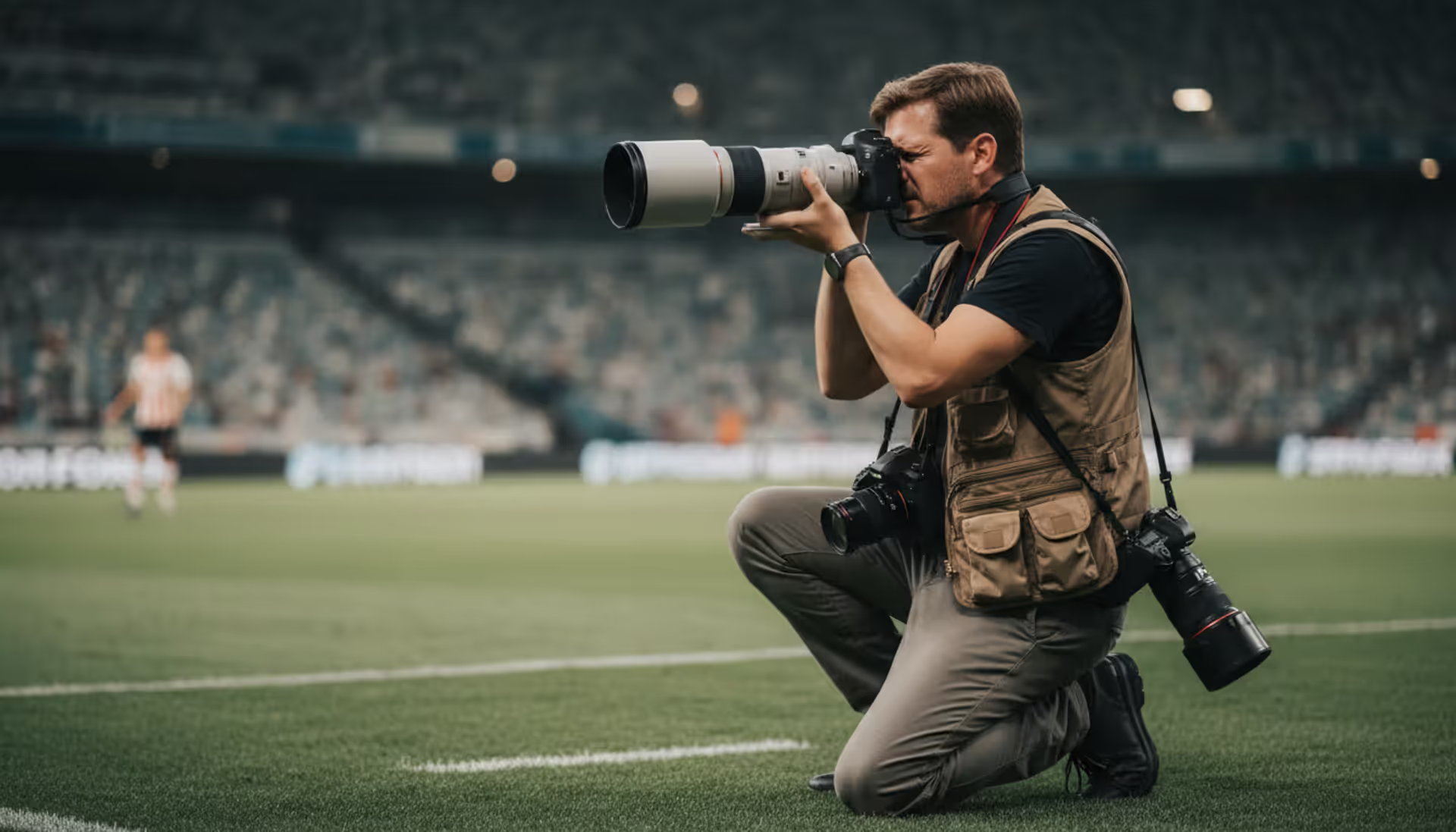
ports photography captures athletes in motion, freezing split-second moments that tell stories of competition and achievement. This specialized field demands technical precision, anticipation skills, and athletic understanding that separates it from other photography genres
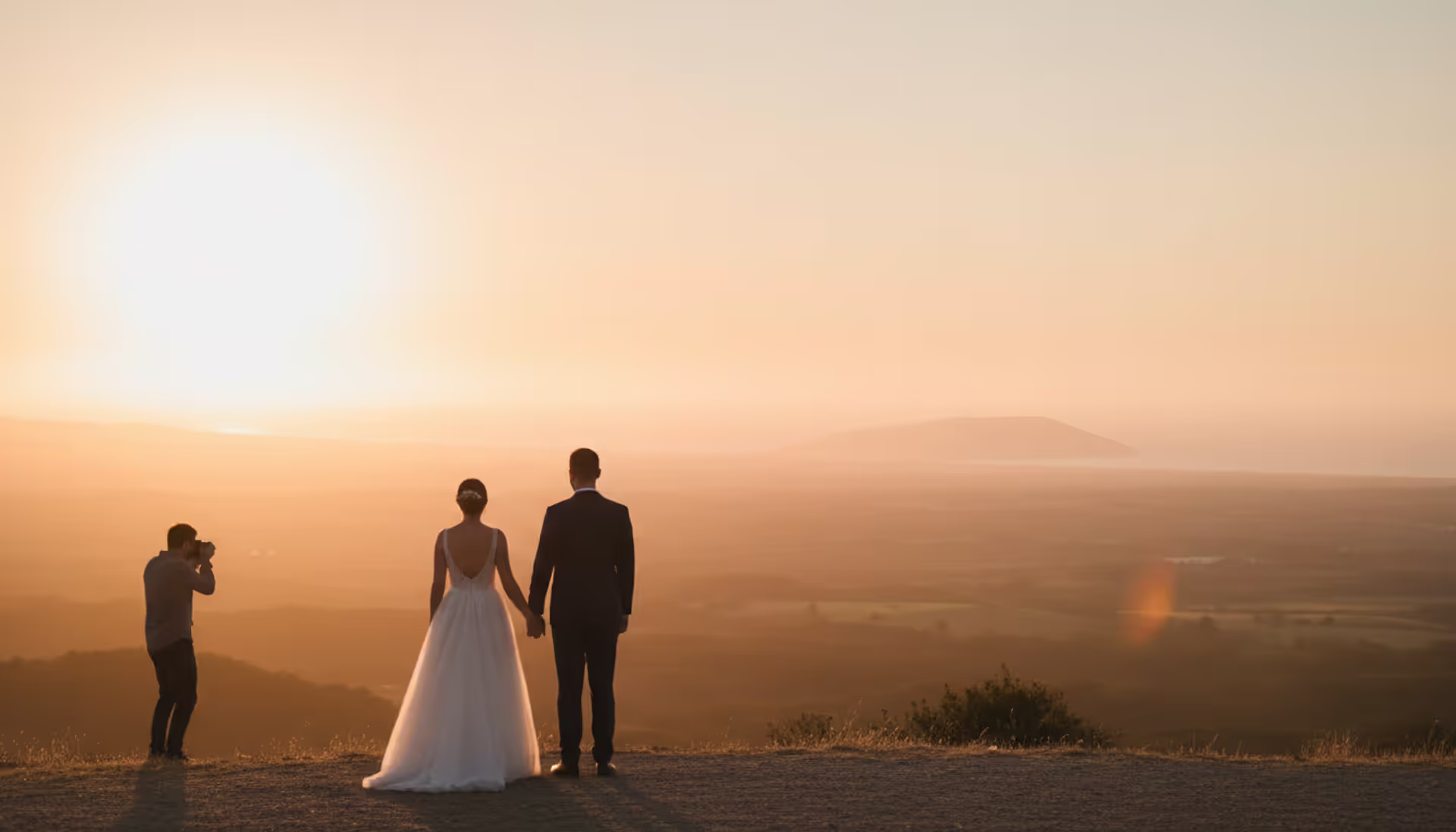
Wedding photography styles define how your celebration gets captured and remembered. From traditional posed portraits to candid documentary coverage, fine art aesthetics to editorial drama, understanding these approaches helps you find a photographer whose vision matches yours and ensures your images reflect your authentic story
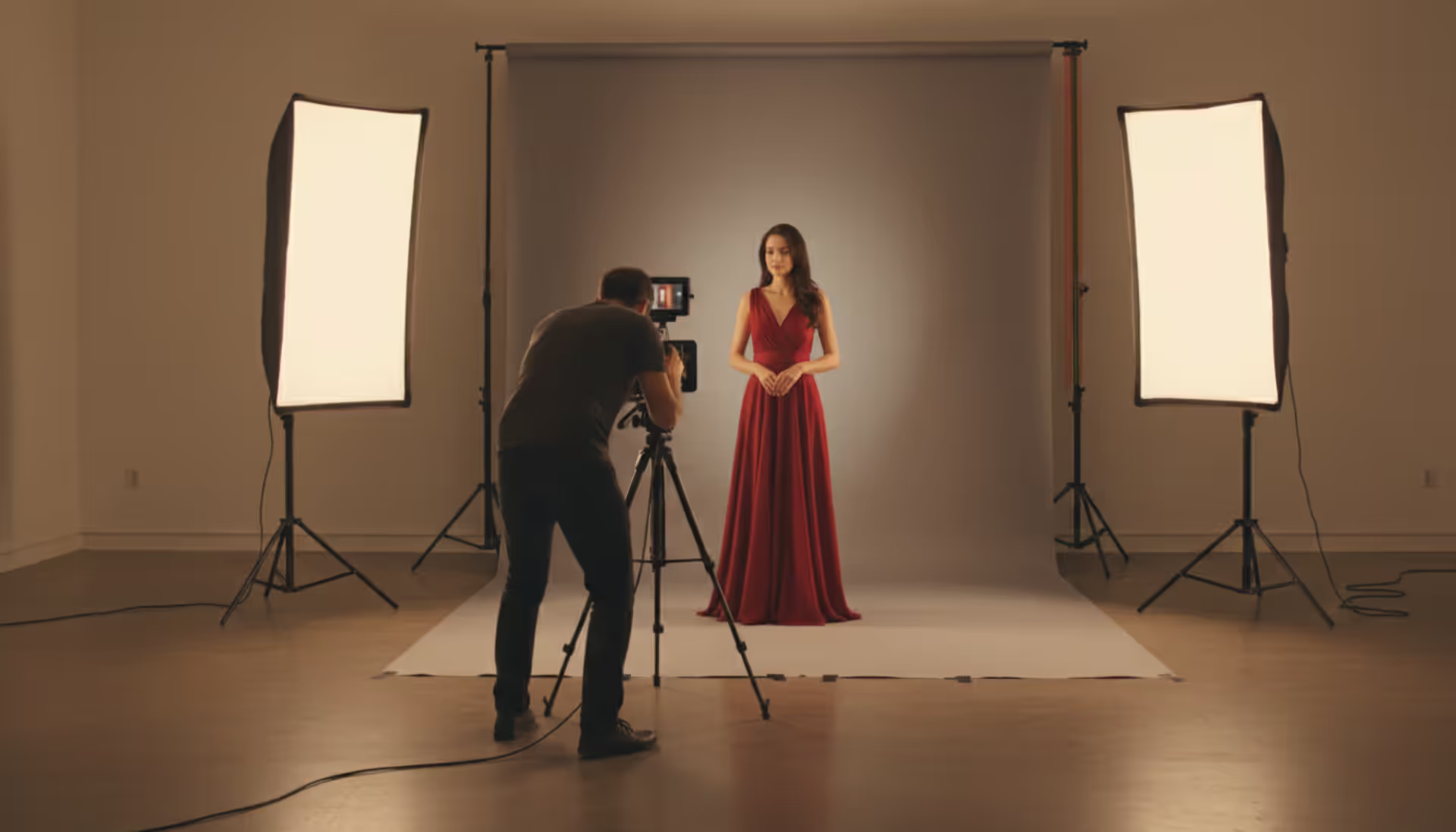
Traditional portrait photography creates polished, timeless images through controlled lighting, deliberate posing, and classic composition. Learn what defines this formal approach, how it differs from modern styles, what to expect during sessions, and how to prepare for studio, senior, children's, and couple portraits
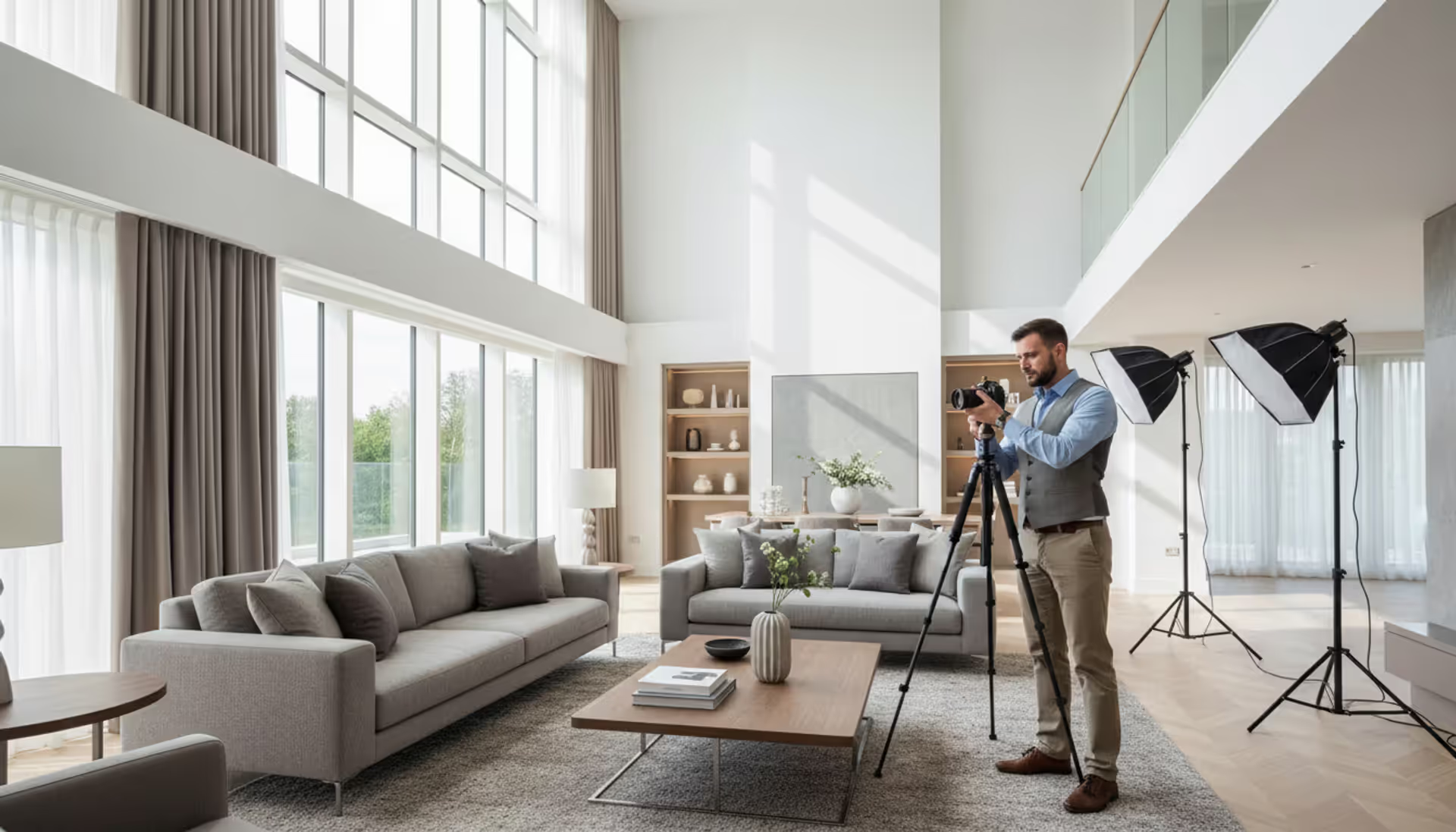
Professional real estate photography increases property views by 118% and reduces time on market by 32%. Choosing the right photographer requires understanding service types, evaluating portfolios, verifying credentials, and recognizing common hiring mistakes that cost sellers thousands
The content on this website is provided for general informational and educational purposes only. It is intended to explain concepts related to running a photography business, insurance coverage, marketing, websites, and professional development.
All information on this website, including articles, guides, and examples, is presented for general educational purposes. Outcomes may vary depending on business size, location, and individual choices.
This website does not provide professional legal, insurance, financial, or business advice, and the information presented should not be used as a substitute for consultation with qualified professionals.
The website and its authors are not responsible for any errors or omissions, or for any outcomes resulting from decisions made based on the information provided on this website.