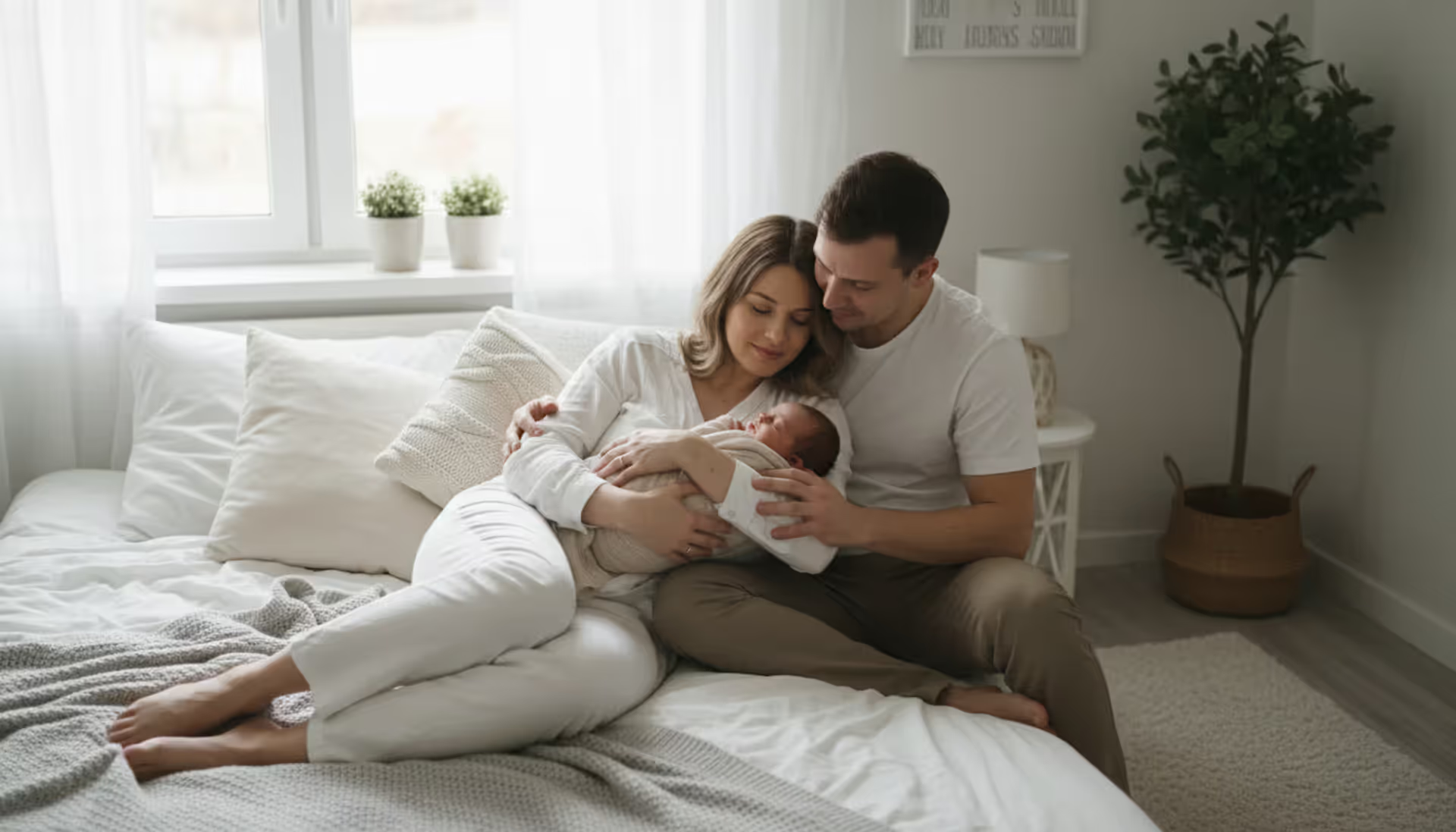
Those first weeks with a newborn blur together—sleep-deprived days blending into exhausted nights. But hidden in that chaos are moments you'll want to remember: the weight of your baby against your chest, how their whole hand wraps around your finger, the way your toddler whispers to their new sibling. Professional newborn photography freezes these details before they vanish.
Maybe you've scrolled through Pinterest boards of babies posed in flower crowns, or seen your friend's beautiful in-home session on Facebook. The options can feel overwhelming when you're already juggling midnight feedings and diaper counts. Here's what you actually need to know about capturing these early days, whether you want artistic studio portraits or casual photos in your living room.
What Is Newborn Photography and When to Schedule It
Professional baby photographers focus on that narrow window when your little one is still brand new—usually between days 5 and 14 after birth. Why such a specific timeframe? Newborns sleep deeply during this period, sometimes 16-18 hours daily. They naturally curl back into those womb positions. Their skin hasn't developed baby acne yet, and umbilical cord stumps have typically fallen off.
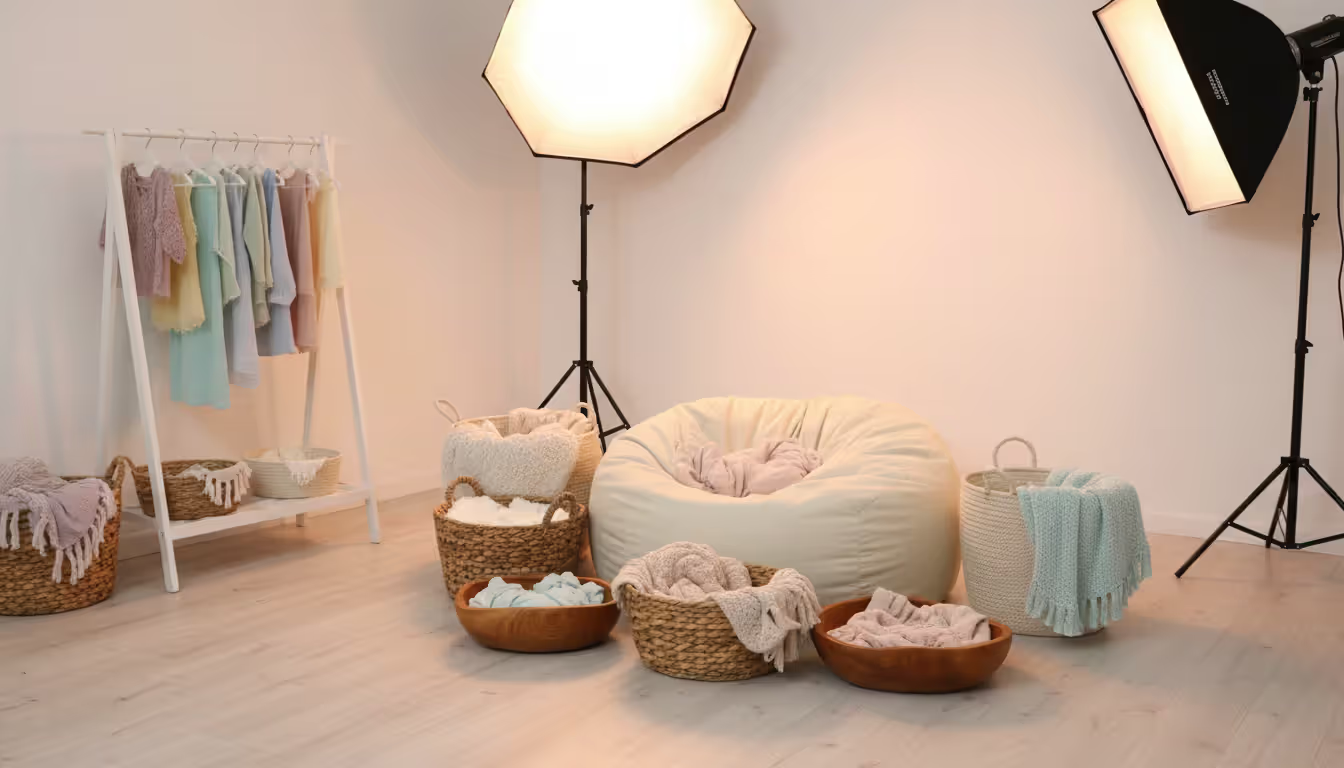
You'll encounter two distinct approaches when researching photographers. The posed style means your sleeping baby gets positioned carefully—tucked into wooden bowls, wrapped snugly in cheesecloth, nestled on fuzzy blankets. Photographers specializing in this technique use beanbag positioners, temperature-controlled studios, and dozens of props. Everything's controlled: lighting, backdrops, even the exact angle of your baby's fingers.
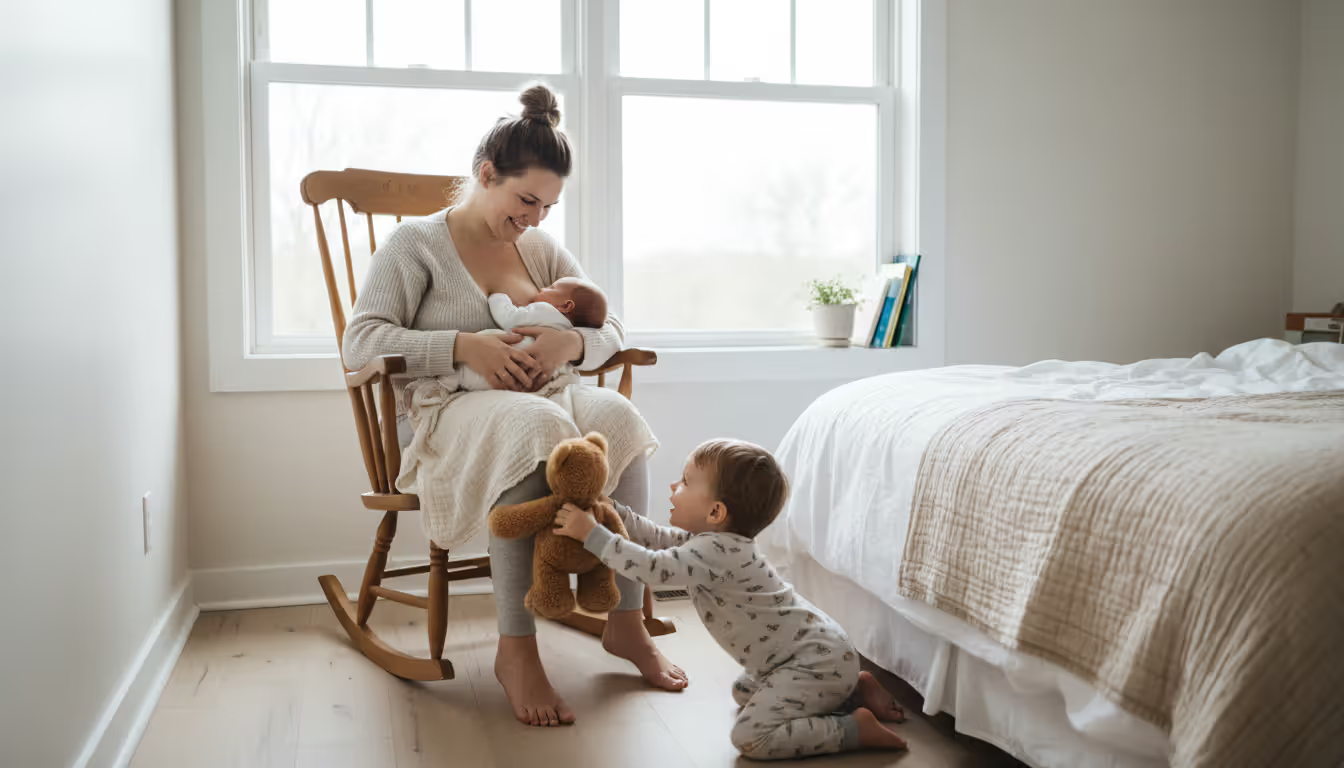
Lifestyle newborn photography looks completely different. Think documentary-style images of real moments: you nursing in your bedroom, dad changing a diaper while your preschooler watches, the baby sleeping in the crib you assembled at 3 AM during week 37 of pregnancy. Your photographer works with available window light, minimal props, and whatever's happening naturally. Your baby might be wide awake for half the session—that's totally fine.
Here's where timing gets interesting. Posed sessions demand that tight 5-14 day window, ideally days 6-9 when sleep is deepest. Miss it, and your baby becomes too alert to hold those curled positions. Lifestyle sessions? You've got flexibility. Sure, weeks 1-2 give you that super-fresh newborn appearance, but skilled lifestyle photographers create gorgeous images at 3, 4, even 6 weeks. Your baby shows more personality by then, which actually enhances family interaction shots.
Contact photographers during your second trimester—around 20-26 weeks works well. Good newborn photographers book out fast, especially March through October when birth rates peak. They'll pencil in a "due date window" rather than a specific appointment. Once your baby arrives, you'll text within a day or two to lock in the actual date.
Lifestyle Newborn Photography vs. Traditional Studio Sessions
Location tells only part of the story when comparing these two approaches. They create fundamentally different newborn photography photos, require different investments, and appeal to completely different personalities.
Walk into a traditional studio session and you'll find a dedicated space maintained at 80-85 degrees (necessary for naked baby photos). Your photographer has invested thousands in backdrops, baskets, blankets, headbands, and specialized lighting equipment. They've studied specific positioning techniques—you might hear them mention "potato pose" or "tushy-up"—and know exactly how to achieve those Pinterest-worthy shots. Parents usually appear in 3-5 images maximum, often simple portraits cradling the baby.
These sessions stretch 3-4 hours because posed work moves slowly. Your photographer spends 10-15 minutes on a single setup, waiting for deep sleep, adjusting tiny fingers, perfecting the blanket drape. They'll photograph 8-12 different poses and setups. You'll leave with highly polished, artistic images where every detail coordinates perfectly. Many families frame these as centerpiece nursery art.
Lifestyle newborn photography means your photographer shows up at your house with a camera bag and maybe a simple wrap. That's it. They spend 10 minutes walking around, checking where light falls at this time of day, asking which rooms feel most comfortable. Then you're just... living. Feeding your baby. Reading books with your 3-year-old while the newborn dozes nearby. Lying in bed together as a family.
Sessions wrap up in 90 minutes to 2 hours. Your baby doesn't need to sleep the entire time—alert periods when they're gazing around actually create sweet moments. The resulting images show your actual nursery, your comfortable nursing tank, your partner's rumpled t-shirt. Years later, you'll look at these and remember exactly what life felt like during week one.
Who chooses which style? First-time parents sometimes gravitate toward studios because the structure feels less intimidating. If you're unsure how to "act natural" while being photographed, having a photographer direct every moment provides comfort. Families decorating nurseries with specific color schemes—think all blush pink and gold, or navy and gray—appreciate how studio work delivers perfectly coordinated images.
Lifestyle sessions attract parents who value authenticity over perfection. Maybe you're already stretched thin managing a toddler and don't want the stress of traveling. Perhaps you hate feeling posed and prefer someone documenting real life. Families with multiple kids especially appreciate staying home—your 2-year-old can grab snacks from their own kitchen and retreat to their bedroom when overwhelmed.
Neither approach costs inherently more. I've seen lifestyle photographers charge $2,000 and studio photographers charge $400. Pricing reflects the photographer's experience, your market, and what's included more than the style itself.
Author: Derek Halston;
Source: maryelizabethphoto.com
Benefits of In Home Newborn Photography Sessions
In home lifestyle newborn photography solves practical problems you're definitely experiencing during those first postpartum weeks.
Consider the alternative: you're 10 days postpartum, still bleeding, maybe your C-section incision aches when you move. Now pack the diaper bag (diapers, wipes, changing pad, burp cloths, pacifiers, backup pacifiers, three outfit changes because spit-up). Feed the baby, time it so they're content for the drive. Load the infant car seat. Wrangle your toddler. Drive across town. Arrive at an unfamiliar building, haul everything inside, and perform for the camera.
Or... your photographer comes to you. You wear pajama pants until 10 minutes before they arrive. Your baby eats whenever they want. Your older kid grabs goldfish crackers from the pantry. You collapse on your own couch between shots.
Temperature control matters more than you'd think. Newborns can't regulate body heat effectively yet. Studios blast heat to 85 degrees for all those naked baby poses, which leaves parents sweating through their carefully chosen outfits. At home, you've already set the thermostat for your baby's comfort. Everything you need—diapers, wipes, extra clothes, nursing supplies—sits within reach.
Natural light from your bedroom window creates that soft, dreamy quality you see in beautiful lifestyle work. No harsh flashes. No setup time. Just gorgeous afternoon sun filtering through blinds.
Here's something studios can't replicate: your toddler feels brave in their own territory. I've watched 3-year-olds who froze up in studios completely relax at home, spontaneously bringing their baby sibling toys or singing them songs. Those unscripted moments—a big sister carefully placing her teddy bear next to her baby brother—create the images families cherish most.
Want photos with your dog? Good luck in a studio. At home, your gentle lab can sniff the new baby naturally, creating meaningful family photos that include every member. Same goes for meaningful locations: the rocking chair where you're nursing, the crib your partner assembled, the stuffed animal from your own childhood now waiting in the nursery.
Zero transportation logistics. No timing the session between feedings. No worrying about diaper explosions in the car seat. No figuring out whether your toddler needs to nap before or after. Everything happens in your space, on your baby's schedule.
Author: Derek Halston;
Source: maryelizabethphoto.com
How to Prepare for Family Newborn Photography
Family and newborn photography sessions run smoothest when everyone feels comfortable, but "comfortable" doesn't mean "perfect."
Clothing coordination stumps a lot of families. Here's what actually works: choose 2-3 colors maximum and let everyone wear different shades of those colors. Cream, soft gray, and dusty blue create a cohesive look without identical matching. Mom might wear a cream sweater, dad wears gray, toddler wears light blue, baby gets wrapped in cream. Done.
Avoid these common mistakes: logos and graphics (that funny t-shirt competes with faces), bold patterns (stripes photograph weirdly), and anything uncomfortable. Moms nursing or pumping need easy access—button-down shirts, wrap tops, or stretchy necklines work better than pullovers. Dad, if your dress shirt needs constant tugging and adjusting, wear something else. You'll be sitting cross-legged on floors, lying in beds, holding your baby in various positions.
Pack backup clothes for siblings. Your 18-month-old will find the one graham cracker left in the couch cushions and smear it across their shirt 30 seconds before photos start. Having a spare prevents meltdowns.
Home preparation requires less effort than you think. Photographers work in 2-3 spots—usually a bedroom with good windows and one other space. Focus there exclusively. Make your bed with plain sheets and a simple duvet—white, gray, or cream photograph beautifully. Clear your nightstands completely. Pick up floor clutter in those rooms only.
Don't deep-clean your entire house. Seriously. Your photographer won't photograph your kitchen unless it has amazing light, and they definitely won't shoot your bathrooms. The laundry mountain in your office? Irrelevant. Dirty dishes? Who cares. They're photographing specific spots in specific rooms.
Set your thermostat to 74-76 degrees in rooms you'll use. Comfortable for you while holding a lightly dressed baby.
Feeding strategy: nurse or bottle-feed right before your photographer arrives, aiming for a completely full baby who might settle into a good sleep. But don't stress if this doesn't work perfectly. Lifestyle photographers build in multiple feeding breaks. Some babies eat every 90 minutes during growth spurts—your photographer knows this and plans accordingly.
Schedule sessions during your baby's typical calm periods. Does your newborn usually have a meltdown every evening from 5-7 PM? Don't book a 5 PM session. Many babies do well mid-morning, roughly 9-11 AM, after that first big morning feeding.
Preparing siblings means setting realistic expectations. Talk about photos positively for several days beforehand: "A nice person is coming to take pictures of our whole family! You'll get to show them your new brother!" Frame it as something special, not a chore. Never use threats ("If you don't behave during photos...") or bribes ("If you smile, I'll buy you a toy"), which create negative associations.
Have snacks available. Crackers, fruit pouches, cheese sticks—whatever keeps your toddler happy. Consider having another adult present—grandma, your best friend—who can supervise siblings during newborn-only portions. Or set up a tablet with their favorite show as a backup when they need a break.
Author: Derek Halston;
Source: maryelizabethphoto.com
What to Expect During Your Newborn Photography Session
Session day arrives. Here's how the next 90-120 minutes typically unfold.
Your lifestyle photographer shows up with minimal gear—one camera bag, maybe a reflector, sometimes a simple wrap or two. They immediately start walking around, peeking in bedrooms, checking window light. "Does the sun come through this window in the afternoon? Which room do you spend the most time in?" They might move a chair, open curtains wider, or suggest switching from your dark bedroom to the brighter nursery.
Most photographers start with full family combinations while everyone's fresh and cooperative. You'll gather on your bed—all four of you piled together, baby in the middle. Your photographer shoots dozens of frames over 5-7 minutes, capturing different angles, moments when your toddler spontaneously kisses the baby, images of you and your partner exchanging glances.
Then combinations shift. Just parents with baby. Mom alone with newborn. Dad holding his daughter. Big sister touching tiny toes while you supervise. These portions move quickly—each setup takes 3-5 minutes because the photographer works rapidly, knowing toddler patience has limits.
After family photos, siblings often take a break. Maybe they watch a show, maybe grandma takes them outside, maybe they play in their room. Now the photographer focuses on your newborn exclusively. Detail shots of fingers, toes, tiny ears. Images of the baby sleeping in the crib or bassinet. Close-ups of their face, those brand-new features you're already memorizing.
This portion moves at your baby's pace. Awake? Great, we'll capture alert expressions. Sleeping? Perfect for those peaceful close-ups. Starting to fuss? Time for a feeding break.
Crying happens at every session. Every single one. Your photographer has managed hundreds of fussy babies and won't bat an eye. They'll pause shooting, tell you to take all the time you need, maybe step outside to check other lighting while you nurse. After eating, most babies settle beautifully. Some of the sweetest photos happen right after a crying spell—babies often have this content, milk-drunk expression.
White noise helps tremendously. Many photographers bring portable sound machines or use apps generating womb sounds, rainfall, or static. If your baby uses pacifiers, keep several clean ones accessible.
Your involvement fluctuates throughout the session. Sometimes you're actively holding, cuddling, gazing at your baby. Other times you're just present in the room while the photographer works on solo baby shots. This rhythm feels strange initially but becomes natural quickly.
Even lifestyle sessions might include light posing—placing your baby in a simple wooden bowl with a soft blanket, or wrapping them snugly in neutral fabric. But these setups take 2-3 minutes tops. If your baby protests, the photographer moves on immediately. No forcing cooperation.
Most parents tell me afterward, "That felt faster than I expected." Once you relax into the process, time passes quickly.
Choosing the Right Newborn Photographer
Real connection creates meaningful images, not perfect positioning.When families relax in their own environment, authentic emotion shows through—how a dad instinctively protects his daughter, the way a toddler reaches toward tiny baby toes. Those genuine reactions create the photos families actually display and treasure
— Sarah Mitchell
Finding the right photographer involves more detective work than simply picking whoever has the prettiest Instagram feed.
Start by examining complete portfolios, not just highlight reels. Look for full sessions showing 30-40 images from single clients. This reveals consistency. Does every family get gorgeous photos, or did you just see the single best shot from 20 different sessions? If you want lifestyle newborn photography, the portfolio should show mostly documentary-style images in homes with natural light—not primarily studio setups with elaborate props.
Pay attention to family and sibling photos specifically. Some photographers excel at posed baby work but struggle with toddlers or group dynamics. If family portraits matter to you, look for evidence they can manage multiple people, capture natural interactions, and make children comfortable.
Safety practices deserve direct questions, especially for posed work. Ask: "What training have you completed in newborn safety? How many baby sessions have you photographed?" Look for photographers who've completed 30+ sessions minimum and ideally have taken specialized safety workshops. Many serious newborn photographers pursue certifications through organizations like Newborn Safety Workshop or APNPI (Accredited Professional Newborn Photographers International).
Warning signs: photographers claiming they capture froggy pose (baby's head resting on their hands) in a single shot. That pose requires composite editing—two separate photos merged—for safety. Babies can't support their head weight that way. Also concerning: anyone dismissive when you ask about handwashing, equipment sanitizing, or safety protocols. Your baby's wellbeing matters more than any photo.
Pricing varies wildly based on your location and the photographer's experience. Small town in the Midwest? You might find talented photographers starting at $350. Major city like Seattle or Boston? Expect $900-$2,500 for experienced professionals. Neither price point guarantees quality—you're paying for the photographer's skill, experience, and time investment in editing.
Understand package details completely. Does that quoted price include digital files, or just the session itself with prints sold separately? How many edited images do you receive? (Anywhere from 25 to 100+, depending on the photographer's approach.) What's the turnaround time? Two weeks? Six weeks? What rights do you have to print and share images?
Budget photographers aren't automatically risky choices, but understand the tradeoffs. Someone building their portfolio charges less but has less experience managing difficult situations. They might create beautiful work when everything goes smoothly but struggle when your baby refuses to settle or your toddler has a meltdown. Established photographers charge premium rates but bring expertise that often prevents problems before they start.
Questions worth asking before booking:
How many newborn sessions have you photographed total? (Want 30+ minimum)
Do you focus primarily on lifestyle or posed work?
Walk me through exactly what's included at this price point
How many edited images do clients typically receive?
When will I receive my gallery?
What's your plan if my baby arrives three weeks early or late?
Do you have backup equipment if something fails?
What happens if you're sick on our session day?
Can I reschedule without penalty if my baby needs NICU time?
May I see a complete gallery from a recent session, not just highlights?
Trust your gut during initial conversations. You're inviting this person into your home during an incredibly vulnerable time—postpartum, exhausted, emotional, probably still in mesh underwear and nursing pads. If someone makes you feel rushed, talks over your questions, or gives you an uncomfortable vibe, keep looking. Plenty of skilled photographers will also make you feel supported and heard.
Lifestyle vs. Studio Newborn Photography Comparison
Aspect
Lifestyle Sessions
Studio Sessions
Where It Happens
Your home, using rooms with natural light
The photographer's dedicated studio space
Typical Investment
$400–$1,800 depending on your market
$500–$2,500 depending on your market
Time Commitment
Usually 90 minutes to 2 hours
Typically 3-4 hours
Works Best For
Families wanting authentic moments, homes with multiple kids, documentary-style images
Tidy 2-3 rooms, pick coordinating outfits, confirm good window light
Pack everything for travel, coordinate with studio's color palette, plan for extended time out
Props and Positioning
Minimal props, natural positioning, baby can be awake or sleeping
Extensive prop collection, specific classic poses, requires deep baby sleep throughout
Including Family
Easy to include siblings and parents throughout the session
Parents appear in fewer images, siblings may struggle in unfamiliar environment
Frequently Asked Questions About Newborn Photography
What should I expect to invest in newborn photography?
Investment ranges significantly based on where you live, the photographer's experience level, and what you're receiving. Most U.S. markets see pricing between $400 and $2,000 for a complete session including digital files. That might mean 25 images from a newer photographer or 75+ from someone established, depending on their business model.
Big cities command higher rates—think $900-$3,000 in places like NYC, LA, or San Francisco. Smaller markets and less experienced photographers start around $300-$500. Remember that the cheapest option doesn't always provide the best value. You're paying for someone's skill in safely handling your fragile newborn and their ability to create images you'll treasure. Make sure you understand what's included: session time only, or does that cover digital files? What about prints or albums? Are those additional?
My baby cries constantly—what happens during the session?
Every newborn session includes crying. Literally every single one. Professional photographers expect this completely and build extra time specifically for feeding breaks, fresh diapers, and soothing fussy babies. When your baby starts crying, shooting pauses. You feed them, change them, comfort them—whatever they need. No rushing, no pressure.
Experienced photographers carry tricks to help: white noise apps, specific calming techniques, gentle bouncing methods. They've soothed hundreds of crying babies and won't feel stressed by yours. Actually, some of the sweetest images happen right after crying episodes, when your baby's freshly fed and content in your arms. If your newborn stays extremely fussy the entire time, good photographers adapt—capturing alert moments and family interactions instead of forcing sleep. Rarely, they might offer to reschedule if timing just isn't working, though this happens less with lifestyle sessions since they don't depend on sustained sleep.
Will including my toddler work, or should we do baby-only photos?
Definitely include siblings! These photos document your family as it exists right now and help older children feel involved rather than replaced. Managing expectations for your child's age makes the difference.
Toddlers and preschoolers have short patience windows, so photographers typically shoot sibling combinations early while everyone's cooperative. You might get images of siblings gently touching the baby, sitting close while you hold the newborn, or simple portraits of the children together. Don't expect your 2-year-old to sit perfectly still for 20 minutes—photographers work fast with young children, capturing natural moments rather than demanding compliance.
In-home sessions make this infinitely easier. Your child can retreat to their bedroom when they need breaks, grab familiar snacks from the kitchen, and generally feel comfortable in their own territory. Having another adult present helps too—someone who can supervise your toddler during baby-only portions. Keep quiet activities and snacks available as backup.
How much cleaning do I need to do before the photographer arrives?
You don't need to clean your entire house. Photographers work in specific areas—typically 2-3 rooms with the best light. Focus your energy there: usually a bedroom and living room or nursery. Make your bed with simple bedding in neutral colors, clear visible surfaces like nightstands, tidy the floor space where you might sit.
Photographers expect normal homes where actual families live. You don't need to scrub baseboards, organize closets behind closed doors, or achieve HGTV perfection. They'll use angles and framing that naturally minimize background distractions. Worried about specific messy areas? Mention them when your photographer arrives—they'll work around them or help you adjust quickly.
The rest of your house? Totally doesn't matter. Dishes in the sink, laundry on the couch, toys scattered in rooms you're not using—your photographer won't notice or care. They understand you have a newborn and are surviving on broken sleep while recovering from birth.
How are lifestyle and posed sessions actually different?
Lifestyle sessions document your real family life and interactions, creating authentic storytelling images in your home using whatever light's available. Your photographer guides you through genuine moments—nursing your baby, cuddling in bed together, siblings meeting their new brother or sister—rather than constructing elaborate setups. Your baby can be wide awake or sound asleep, and the emphasis lands on connection and reality over perfection.
Posed sessions involve carefully constructing specific artistic positions with sleeping babies using props, specialized wraps, and controlled studio lighting. These create the highly stylized images you've seen—babies curled in wooden bowls, posed on layered fabric, wearing elaborate headbands and outfits. They require babies to sleep deeply throughout and take longer since each position gets carefully constructed and adjusted.
Both approaches produce beautiful newborn photography photos—your choice depends on your aesthetic preferences and which memories you want to preserve. Some families book both, scheduling a lifestyle session at home plus a separate posed studio session for variety in their final gallery.
What's the right timing for booking a photographer?
Contact photographers during your second trimester, somewhere around weeks 20-26 of pregnancy. Experienced newborn specialists book out weeks or even months ahead, especially during busy birth seasons (spring and fall typically see the highest birth rates).
When you reserve your spot, photographers pencil in a window around your due date—usually two weeks on either side—rather than a firm appointment. After your baby arrives, you'll text or call within 24-48 hours to confirm the actual session date based on when you're home and feeling ready.
Booking early secures your preferred photographer and removes one task from your third-trimester to-do list. It also allows time for a relaxed consultation where you discuss preferences, ask questions, and plan details without the pressure of an approaching due date. If your baby arrives significantly early or late, experienced photographers work flexibly with your actual birth date rather than holding you to the original estimate.
These early weeks vanish before you realize they're gone. One day you're bringing home this tiny stranger who sleeps 20 hours daily. Seemingly overnight, they're smiling, holding their head up, growing out of newborn clothes. Professional photos freeze these details—the scale of their tiny hand against yours, your exhausted but radiant expression, your family configuration at this exact moment.
Choose a photographer whose style resonates with your aesthetic and whose approach makes you feel comfortable. Trust yourself here. The "perfect" photo matters far less than capturing genuine moments with your newest family member. Ignore anyone who makes you feel inadequate about your messy house, your postpartum body, or your toddler's potential lack of cooperation.
Eventually, you won't remember whether your floors were spotless or your preschooler smiled on command. You'll treasure images showing your newborn's miniature features, the protective way you held them, and your family's beginning during this unrepeatable phase. That's what professional newborn photography preserves—not perfection, but authentic love during a fleeting, precious window you'll never experience again with this specific child.
ports photography captures athletes in motion, freezing split-second moments that tell stories of competition and achievement. This specialized field demands technical precision, anticipation skills, and athletic understanding that separates it from other photography genres
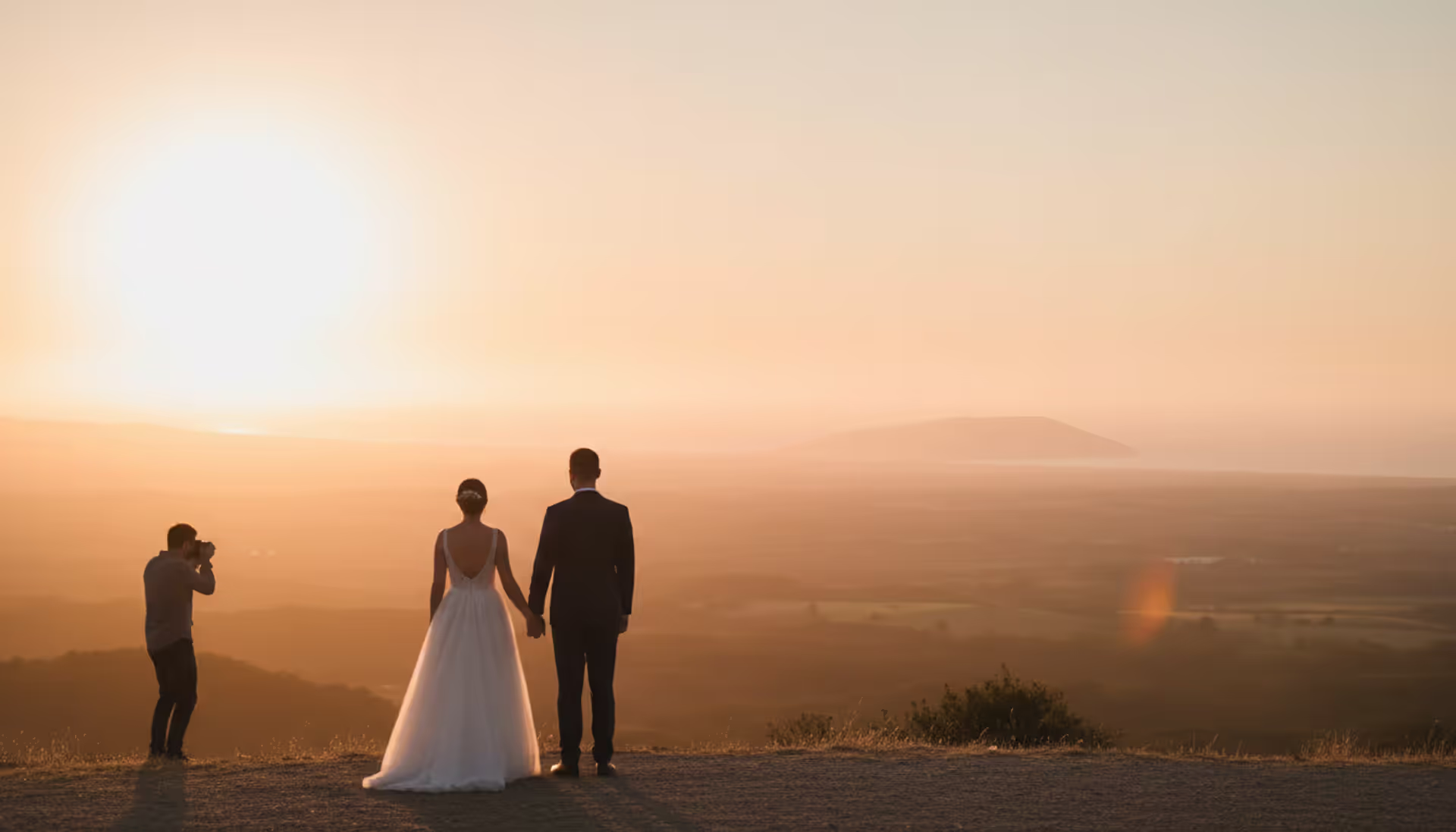
Wedding photography styles define how your celebration gets captured and remembered. From traditional posed portraits to candid documentary coverage, fine art aesthetics to editorial drama, understanding these approaches helps you find a photographer whose vision matches yours and ensures your images reflect your authentic story
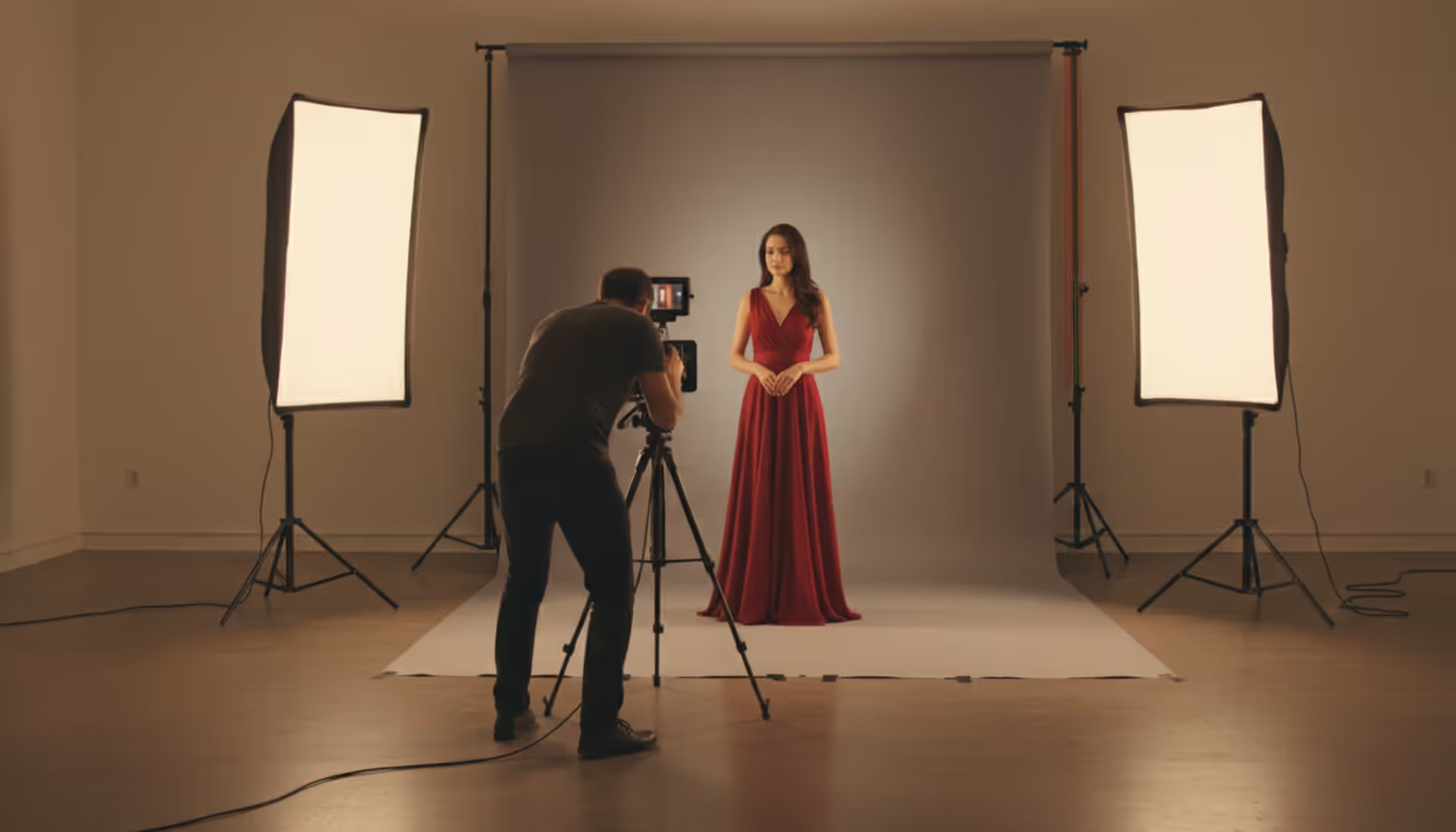
Traditional portrait photography creates polished, timeless images through controlled lighting, deliberate posing, and classic composition. Learn what defines this formal approach, how it differs from modern styles, what to expect during sessions, and how to prepare for studio, senior, children's, and couple portraits
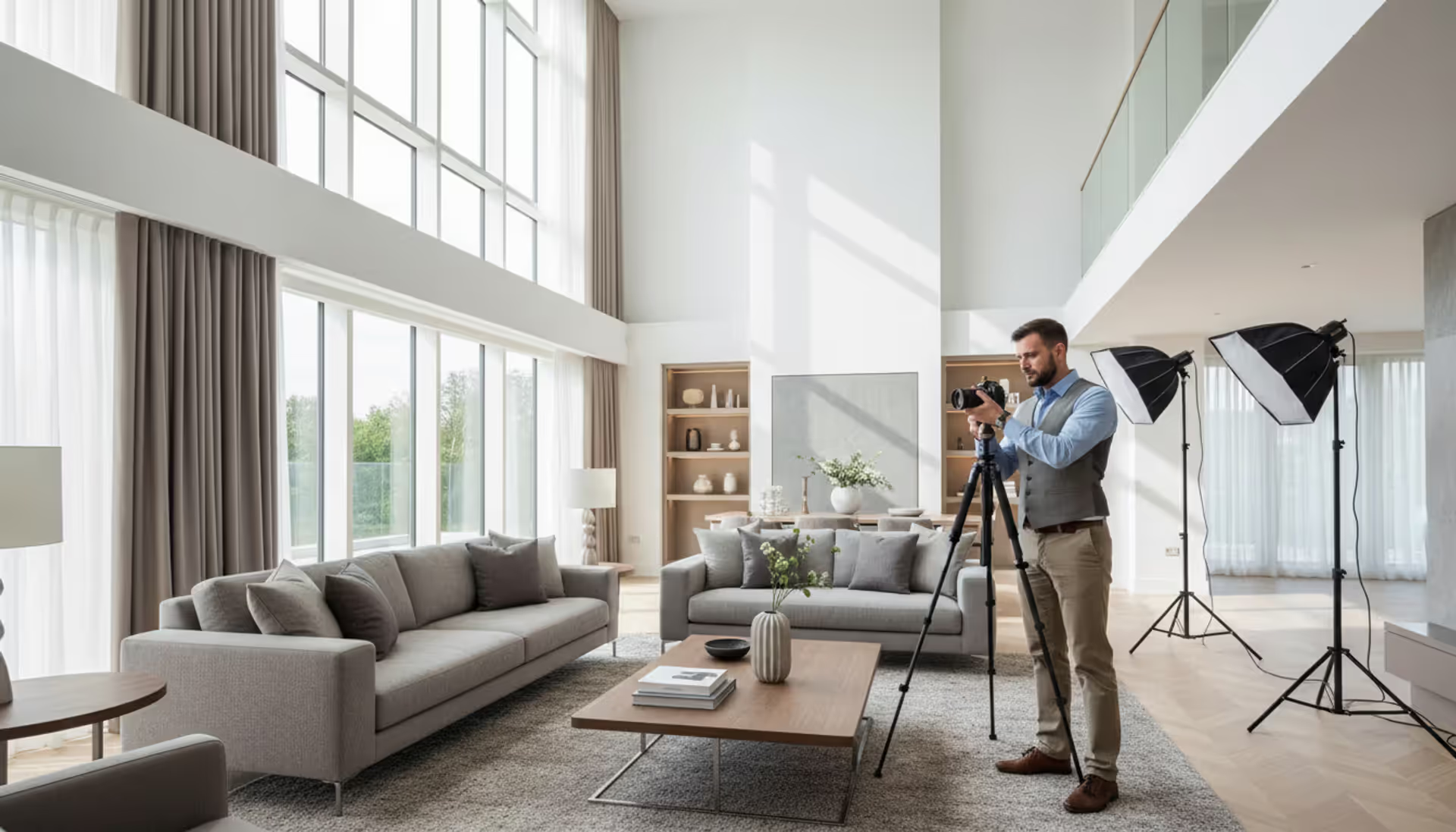
Professional real estate photography increases property views by 118% and reduces time on market by 32%. Choosing the right photographer requires understanding service types, evaluating portfolios, verifying credentials, and recognizing common hiring mistakes that cost sellers thousands
The content on this website is provided for general informational and educational purposes only. It is intended to explain concepts related to running a photography business, insurance coverage, marketing, websites, and professional development.
All information on this website, including articles, guides, and examples, is presented for general educational purposes. Outcomes may vary depending on business size, location, and individual choices.
This website does not provide professional legal, insurance, financial, or business advice, and the information presented should not be used as a substitute for consultation with qualified professionals.
The website and its authors are not responsible for any errors or omissions, or for any outcomes resulting from decisions made based on the information provided on this website.