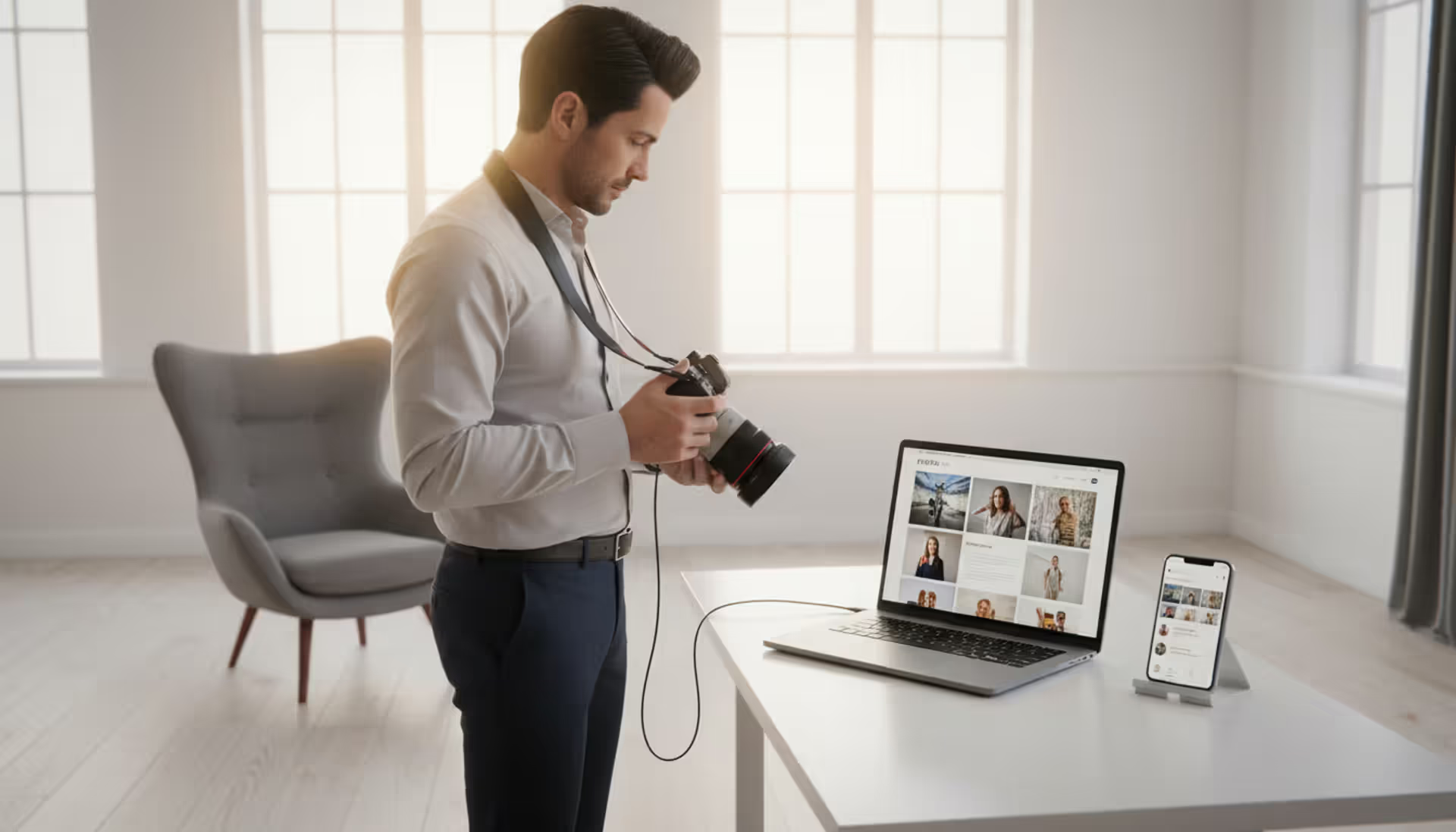
Professional photographer in a bright studio holding a camera and looking at a laptop with a portfolio website on screen, smartphone nearby showing social media app
You can nail focus in low light, manage bridezillas with grace, and make crying toddlers smile on command. But none of that matters if your phone isn't ringing. Here's the uncomfortable truth: most photographers who quit the industry don't fail because they can't shoot—they fail because they never figured out how to market consistently.
Photography sits in a weird position. Clients hand you money for something that doesn't exist yet. They're buying faith in your ability to capture moments they can never recreate, judging you entirely on what you've done for strangers. That's a different animal than selling coffee or consulting services, and it needs a different approach.
Why Photography Marketing Differs from General Business Marketing
Here's the paradox: you're selling something invisible while depending completely on visible proof. Think about it. Couples book you 8-14 months before their wedding based on someone else's gallery. They're literally purchasing your future performance using past results as their only evidence.
Weather patterns control your income in ways most service businesses never experience. Wedding photographers? You're probably making 60-70% of what you'll earn all year between May and October. Got a real estate photography business? Your bookings tank when mortgage rates spike or inventory drops. You've got maybe six months to make enough money to survive twelve.
Geography plays favorites depending on what you shoot. Wedding photographers might serve a 100-mile radius but book destination weddings through Instagram from couples in different states. If you're shooting real estate, you're probably not driving more than 30 miles for a listing—which makes your local Google ranking worth its weight in gold. Portrait studios fall somewhere in between, typically pulling from a metro area.
Your portfolio does more heavy lifting than in almost any other profession. Someone lands on your website and decides in under five seconds whether you're worth their time. Slow site? Gone. Editing style doesn't match their vibe? Gone. Too many mediocre images mixed with your best work? Definitely gone. Every marketing channel you use has to showcase exactly the clients you want to attract, not just your prettiest photos.
The sales timeline stretches out forever. Newly engaged couples start researching photographers almost a year before they need you. Parents thinking about family photos browse casually for weeks. You need marketing that nurtures relationships over months, not tactics designed to close sales in days.
Digital Marketing Channels That Work Best for Photographers
Digital marketing for photographers works when you match tactics to how clients actually behave. Spreading yourself thin across every platform guarantees mediocre results everywhere.
Your website isn't just a portfolio—it's your salesperson working 24/7. Pay for decent hosting that loads pages in under two seconds. Make sure galleries look good on phones (where most people browse). And for the love of all that's holy, include pricing information. You don't need exact numbers, but "Collections start at $2,500" filters out tire-kickers and attracts serious inquiries. Add an about page with your actual face on it. People hire humans, not just pretty pictures.
Google Business Profile generates more qualified leads per hour invested than anything else for local photographers. Claim that listing immediately if you haven't. Pick precise categories—"wedding photographer" and "portrait studio" beat generic "photographer." Upload at least 20 portfolio images. Post weekly updates. Then systematically ask every happy client for a Google review within two days of getting their gallery. Once you hit 40+ reviews with recent activity, you'll start showing up in those map results that actually convert.
Author: Derek Halston;
Source: maryelizabethphoto.com
Email marketing gets ignored by most photographers despite printing money when done right. Build your list through website downloads (pricing guides work great), past client anniversaries, and everyone who inquires but doesn't book. Send monthly emails with recent work, seasonal offers, and client stories. Segment ruthlessly—engaged couples shouldn't get the same emails as corporate headshot clients.
Paid ads work if you target ruthlessly. Facebook and Instagram ads crush it for wedding and portrait photographers who can target by demographics and life events. Google Ads performs better for commercial and real estate photography where people search with buying intent ("real estate photographer Chicago" means they need someone now). Start with $300-500 monthly, test different ads, and track cost per inquiry—clicks don't pay your bills.
Social Media Platforms Ranked by Photography Niche
Instagram owns wedding, newborn, and lifestyle portrait marketing. The whole platform's built for showing off visual work and personality simultaneously. Post 4-5 times weekly. Use 15-25 hashtags that aren't completely oversaturated. Spend 30 minutes daily engaging with local vendors and potential clients through genuine comments, not spam.
Pinterest plays the long game for wedding and portrait photographers. Set up boards organized by session type and location. Pin blog posts with tall images (2:3 ratio works best). The people using Pinterest are planning 6-12 months out, which means content you post today can drive inquiries next year.
LinkedIn converts for corporate headshots, commercial projects, and real estate photography. Share quick case studies and industry observations. Connect with HR managers, marketing directors, realtors, and property managers. Actually participate in local business groups instead of just lurking.
TikTok and YouTube reward photographers willing to teach or show behind-the-scenes content. Quick tutorials, honest gear reviews, and "day in the life" videos build authority. You'll attract DIY folks who eventually realize they should hire a pro.
Facebook still matters for local community stuff and vendor networking. Join groups for local weddings, parenting communities, and real estate pros. Don't be that person who only shows up to promote themselves—actually help people.
SEO Basics for Photography Websites
Search optimization builds momentum slowly, but it keeps building. Start with location-based terms: "Austin wedding photographer" or "Denver real estate photography" instead of hopeless generic keywords like "photographer."
Build separate pages for each service you offer. Write detailed descriptions, include pricing ranges, and show 8-12 strong portfolio images per page. Blog regularly about stuff your ideal clients actually search: "what should I wear for family pictures," "how do I prep my house for real estate photos," or "typical wedding day timeline."
Rename image files before uploading anything. "IMG_4521.jpg" tells Google nothing. "outdoor-family-portrait-austin-tx.jpg" with descriptive alt text tells Google exactly what it's looking at while helping visually impaired users.
Get backlinks through vendor partnerships, local directories, and guest posts on wedding blogs or real estate publications. One link from a popular venue beats ten links from random directories.
Claim your business on photography directories: The Knot, WeddingWire, Thumbtack, Peerspace. Make absolutely sure your business name, address, and phone number match perfectly across every single platform.
Marketing Strategies for Wedding Photographers
Marketing for wedding photographers means working year-round despite making most money in six months. The couples reaching out in January are getting married next October—plan your marketing 12-18 months ahead.
Vendor relationships beat every other referral source. Partner with wedding planners, florists, venues, DJs, and videographers. Give them referral cards. Share their work on your socials. Show up to vendor mixers. The best partnerships involve promoting each other, not just asking for favors.
Author: Derek Halston;
Source: maryelizabethphoto.com
Styled shoots accomplish two goals simultaneously: building portfolio variety and networking. Team up with other vendors to create editorial content showcasing everyone's work in aspirational settings. Submit finished shoots to blogs like Style Me Pretty or Junebug Weddings for publication and backlinks.
Bridal shows produce mixed results depending on your market. Smaller curated shows with 20-30 vendors convert better than massive convention center expos with 200 vendors. Bring a tablet with your complete portfolio. Offer a show discount with a deadline (book within two weeks). Collect emails religiously for follow-up.
Referral programs get past clients promoting you actively. Offer $100-200 toward future sessions (anniversary portraits, maternity photos, family pictures) for each wedding referral that books. Include referral cards in every gallery you deliver.
Seasonal campaigns keep you visible when inquiries naturally slow. Run engagement session deals in fall when lighting's gorgeous. Offer holiday mini-sessions. Promote elopement packages in winter when big wedding bookings dry up.
Past client marketing keeps you top-of-mind with people who already trust you. Send anniversary cards with session offers. Create first-anniversary or pregnancy announcement campaigns. Previous clients convert at way higher rates than cold leads.
How to Promote Real Estate Photography Services
Real estate photography marketing works through direct relationships more than broad awareness. Your market's concentrated—realtors, property managers, builders, Airbnb hosts—which makes personalized outreach incredibly effective.
Identify top producers using MLS data and brokerage websites. Look at their active listings to evaluate current photography quality. Agents using phone photos or terrible lighting become priority prospects.
Cold outreach works when you make it personal and value-focused. Email or call agents with specific observations: "Noticed your listing at 123 Main Street has fantastic curb appeal, but interior photos don't do justice to that updated kitchen. I help luxury listings stand out with professional photography and virtual staging." Offer a discounted first shoot to lower the barrier.
Author: Derek Halston;
Source: maryelizabethphoto.com
MLS visibility matters more than Instagram for real estate photographers. Many MLS systems let you include photographer profiles or watermarks. Make sure your contact info appears on images when rules allow. Agents browsing competitor listings see your work and reach out directly.
Package pricing removes decision paralysis. Offer clear tiers: basic (20 photos, 1 hour), standard (30 photos, twilight exterior, 2 hours), premium (50 photos, drone footage, virtual staging, video walkthrough). Include fast turnaround (24-48 hours) as competitive advantage.
Networking at real estate office meetings and broker open houses builds familiarity fast. Bring cards and offer complimentary headshots to agents booking property shoots. Sponsor local realtor association events or advertise in their newsletters.
Property management companies provide recurring income. Apartment complexes, vacation rental managers, and commercial property owners need regular photography. These clients value reliability and speed over artistic creativity.
Build case studies showing measurable results. "Listings with professional photography sell 32% faster" convinces realtors better than talking about composition and lighting.
When to Hire a Photography Marketing Agency vs. Going DIY
Choosing between hiring a photography marketing agency and handling everything yourself comes down to budget, available time, skill gaps, and growth goals.
Look beyond just agency fees when calculating costs. DIY marketing demands 10-15 hours weekly if done properly. What's your effective hourly rate based on session fees? If you earn $200/hour shooting but spend 12 hours monthly managing social media, that's $2,400 in opportunity cost. An agency charging $1,500/month actually saves money while freeing you to book more sessions.
Agencies deliver value in specialized areas: Google Ads management, technical SEO, email automation setup, website conversion optimization. These skills take months to develop and need constant updating as platforms change algorithms.
DIY makes complete sense for social media content creation, client communication, and portfolio curation. No agency understands your brand voice or connects authentically with clients like you can. Hybrid approaches work great—hire help for technical execution while maintaining direct relationships.
Vet agencies carefully. Photography marketing agencies should show niche experience, provide case studies from similar photographers, and explain strategy before tactics. Run from anyone promising "10,000 followers in 30 days" or guaranteed rankings—these signal sketchy practices.
Watch for red flags: long-term contracts without performance clauses, vague reporting, cookie-cutter packages. Good agencies customize strategies, provide detailed monthly reports, and adjust based on actual results.
Time investment looks completely different between approaches. DIY demands daily effort—posting content, answering inquiries, optimizing ads, reviewing metrics. Agencies reduce your involvement to weekly check-ins and content approval, but you lose direct control.
Growth changes the equation. A solo photographer booking 15-20 sessions monthly can handle DIY marketing. Studios shooting 40+ sessions need outside help to maintain marketing without burning out.
Test before committing long-term. Try DIY for 90 days with structured weekly tasks. Track time invested and results generated. If you're drowning or seeing minimal progress, agencies become smart investments.
Common Photography Marketing Mistakes to Avoid
You can't market once and expect your calendar to stay full. The photographers making real money treat marketing like brushing their teeth—it's just what you do every day, whether you feel like it or not
— Sarah Petty
Inconsistent branding creates confusion and weakens recognition. Logo, colors, fonts, and editing style should stay cohesive across website, social media, print materials, and emails. Changing aesthetics every few months forces clients to rediscover you instead of recognizing you instantly.
Ignoring testimonials wastes your most powerful marketing asset. Reviews provide social proof that converts hesitant prospects. Ask for testimonials right after delivering galleries when satisfaction peaks. Make leaving reviews effortless—send direct links to your Google Business Profile or preferred platform.
Messy portfolio presentation undermines even exceptional photography. Common mistakes: showing too many images (stick to 40-50 for website galleries), mixing inconsistent editing styles, displaying work that doesn't match your target market. Want luxury wedding clients? Remove budget backyard ceremonies from your portfolio regardless of how good those photos are.
Flying blind on analytics means wasting money and time. Track inquiry sources monthly—which platforms generate leads, which convert to bookings, what your cost per acquisition runs. Use Google Analytics, social media insights, and CRM data to identify what works and what doesn't. Shift budget toward high performers and cut underperformers ruthlessly.
Author: Derek Halston;
Source: maryelizabethphoto.com
Underpricing to attract clients backfires by drawing price-focused customers who don't value your work. Low prices signal inexperience and create businesses that can't sustain themselves. Price based on costs, desired profit, and market positioning—not competitor rates or client complaints.
Sporadic marketing creates feast-or-famine cycles. Photographers stop marketing when busy, then panic when calendars empty. Consistent effort—even 30 minutes daily during peak season—maintains pipeline flow and prevents revenue gaps.
Neglecting email lists leaves money sitting on the table. Past clients, inquiry leads who didn't book, and vendor partners represent warm audiences more likely to convert than cold traffic. Build and nurture email as a primary channel.
Marketing Channel Comparison for Photographers
Channel
Monthly Investment
Speed to Results
Top Photography Fit
Required Expertise
Instagram
$0-200
3-6 months
Wedding, Portrait, Newborn
Moderate
Google Ads
$500-2000
1-4 weeks
Real Estate, Commercial, Headshots
Advanced
SEO
$0-500
6-12 months
All types (long-term play)
Moderate-Advanced
Email Marketing
$20-100
2-8 weeks
All types
Beginner-Moderate
Wedding Directories
$300-800
2-6 months
Wedding, Event
Beginner
LinkedIn
$0-150
2-4 months
Corporate, Commercial, Headshots
Moderate
Pinterest
$0-100
3-9 months
Wedding, Portrait, Newborn
Beginner-Moderate
Real Estate Networks
$0-300
1-3 months
Real Estate, Architectural
Beginner
Frequently Asked Questions About Photography Marketing
How much should photographers spend on marketing?
Plan to invest 10-20% of gross revenue on marketing when you're building your business, dropping to 5-10% once referrals and repeat clients kick in. So if you're earning $75,000 annually, you should allocate $7,500-15,000 toward marketing costs including ads, website hosting, directories, and agency fees. Newer photographers need higher percentages to build awareness. Established studios can rely more on word-of-mouth. Track ROI by channel and reallocate budget quarterly toward what's actually working.
What's the quickest path to landing photography clients?
Networking and personalized outreach generate clients fastest. Wedding photographers should contact recently engaged couples through local Facebook groups or reach out to wedding planners offering complimentary engagement sessions. Real estate photographers get faster results calling top-producing agents directly with intro offers. Portrait photographers can partner with boutiques or salons for cross-promotion. Paid advertising on Google or Facebook can produce inquiries within days if targeting and creative are dialed in, but you'll need budget for testing.
Should photographers hire a marketing agency?
Agencies make sense when you're short on time, lack technical skills, or you're stuck despite trying DIY approaches. Studios booking 30+ sessions monthly or earning six figures typically see positive ROI from agencies handling SEO, paid ads, or email automation. Newer photographers benefit more from mastering DIY basics first—social posting, Google Business Profile optimization, client communication—before outsourcing. Agencies excel at scaling established businesses, not replacing foundational knowledge.
What social platform delivers best results for wedding photographers?
Instagram produces the strongest results for wedding photographers thanks to its visual format, engagement tools, and demographic overlap with engaged couples. Post 4-5 times weekly mixing full wedding galleries, detail shots, behind-the-scenes moments, and client testimonials. Use Stories daily and Reels 2-3 times weekly to expand reach. Pinterest offers secondary value for long-term traffic and search benefits. Facebook remains useful for local groups and vendor networking but drives fewer direct bookings than Instagram in most markets.
How patient do I need to be waiting for SEO results on my photography website?
Expect 6-12 months before seeing meaningful traffic and inquiry increases from SEO on your photography website. Brand new websites need 4-6 months just for Google to index pages and establish domain authority. Competitive markets like "Los Angeles wedding photographer" take longer than smaller cities. Consistent blogging (2-4 posts monthly), technical optimization, and backlink building speed things up. Local SEO through Google Business Profile can generate leads within 2-3 months. Think of SEO as long-term strategy complementing faster channels like paid ads or networking.
Which marketing tactics work best for real estate photographers?
Direct relationship building with realtors outperforms broad marketing for real estate photographers. Find top-producing agents through MLS data, review their current listings, and send personalized outreach explaining how professional photography improves their marketing results. Networking at broker open houses and real estate office meetings builds recognition quickly. Google Ads targeting searches like "real estate photographer [city]" converts well since searchers have immediate need. LinkedIn outreach to property managers and builders opens commercial opportunities. Emphasize fast turnaround and clear package pricing to stand out from competitors.
Photography marketing succeeds through systems, not random bursts of activity when you panic about an empty calendar. Photographers who consistently stay booked treat marketing as essential infrastructure, not something to squeeze in when slow.
Start by picking your two highest-ROI channels based on niche and market. Wedding photographers typically crush it with Instagram and vendor networking. Real estate photographers should focus on Google Business Profile and direct realtor outreach. Portrait photographers see results from Facebook community engagement and email to past clients.
Block 60-90 minutes daily for marketing. Mornings work best before client emails dominate your attention. Split time between creating content, building relationships, and reviewing analytics. Consistency beats perfection—three decent Instagram posts weekly outperforms one perfect post monthly.
Track what actually matters. Monitor monthly inquiries by source, conversion rates from inquiry to booking, and cost per acquisition for paid channels. Review monthly and adjust quarterly. Double down on what works. Cut what doesn't.
Marketing compounds like interest. That blog post you write today might rank in six months. That vendor relationship you're building could generate referrals for years. That email list you're growing becomes an asset delivering recurring revenue. Start building your system today. Your future self will thank you when the calendar stays full.
Photographers face a constant challenge: how to communicate their value while remaining competitive. A well-structured price list solves this problem by setting clear expectations before the first consultation call. Whether you're a photographer building your first pricing document or a client trying to decode costs, understanding how photography pricing works saves time and prevents awkward conve
Photography invoicing software automates billing, payment processing, and client management for professional photographers. This guide covers essential features, pricing models, common selection mistakes, and how standalone invoicing tools compare to full studio management platforms
Getting paid for your creative work shouldn't feel like pulling teeth. This guide covers everything photographers need to know about invoicing: what to include, how to create invoices in 5 steps, free templates, common mistakes, and the key differences between invoices, quotes, and contracts
Learn how to create bulletproof photography contracts that protect your business and clarify client expectations. Covers wedding photography contracts, newborn session agreements, essential clauses, payment terms, and common mistakes photographers make when drafting contracts
The content on this website is provided for general informational and educational purposes only. It is intended to explain concepts related to running a photography business, insurance coverage, marketing, websites, and professional development.
All information on this website, including articles, guides, and examples, is presented for general educational purposes. Outcomes may vary depending on business size, location, and individual choices.
This website does not provide professional legal, insurance, financial, or business advice, and the information presented should not be used as a substitute for consultation with qualified professionals.
The website and its authors are not responsible for any errors or omissions, or for any outcomes resulting from decisions made based on the information provided on this website.