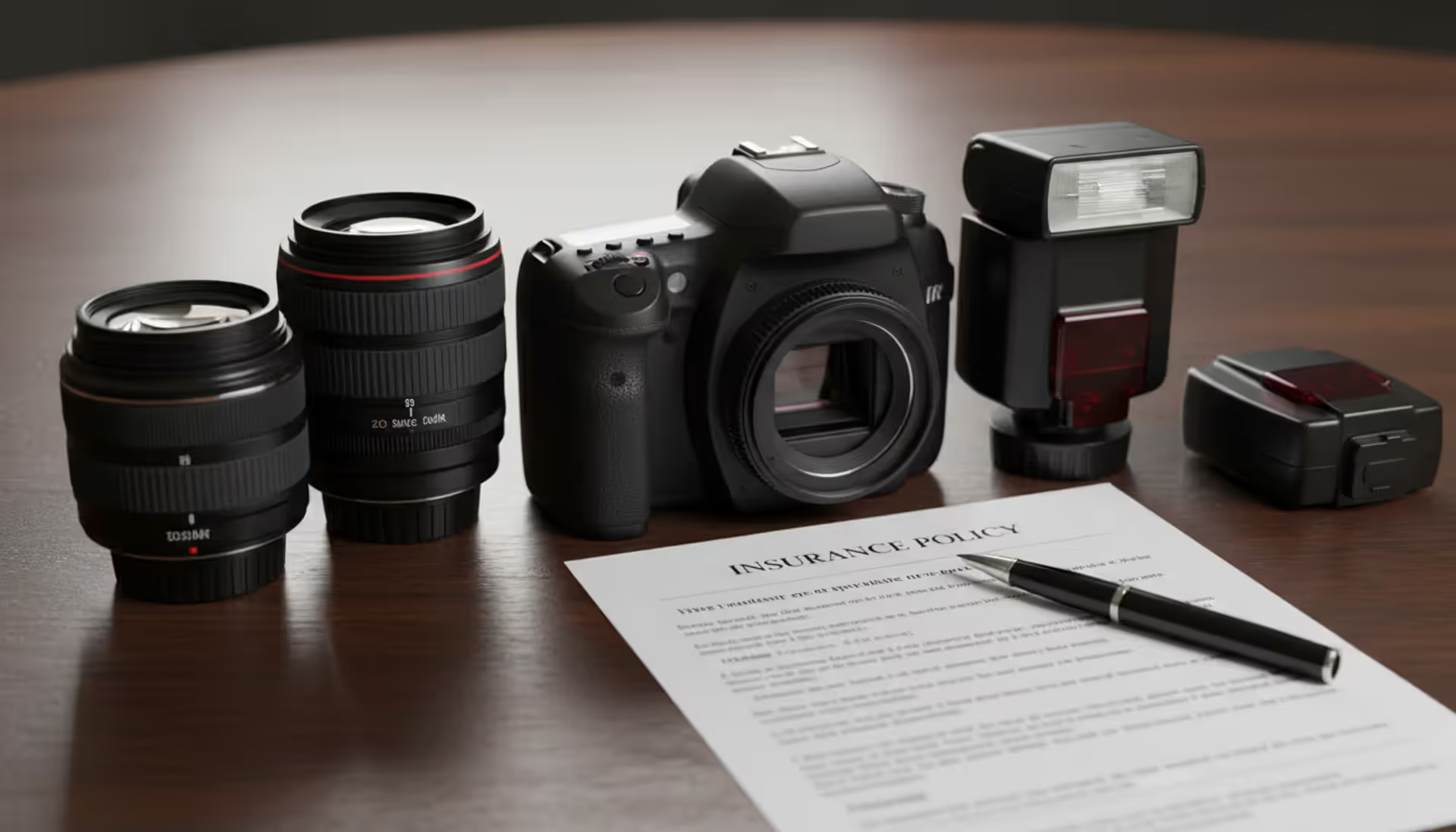
Shooting weddings comes with unique risks that most photographers underestimate until something goes wrong. A single mishap—whether it's a lawsuit from an unhappy couple, damaged equipment, or an injury at a venue—can cost tens of thousands of dollars and threaten your entire business.
Wedding photography operates in a high-stakes environment where expectations run high and legal exposure runs even higher. Couples invest heavily in their wedding day, venues enforce strict liability requirements, and accidents happen despite your best precautions. Without proper coverage, one incident can wipe out years of profits or force you to close your business entirely.
Why Wedding Photographers Need Insurance
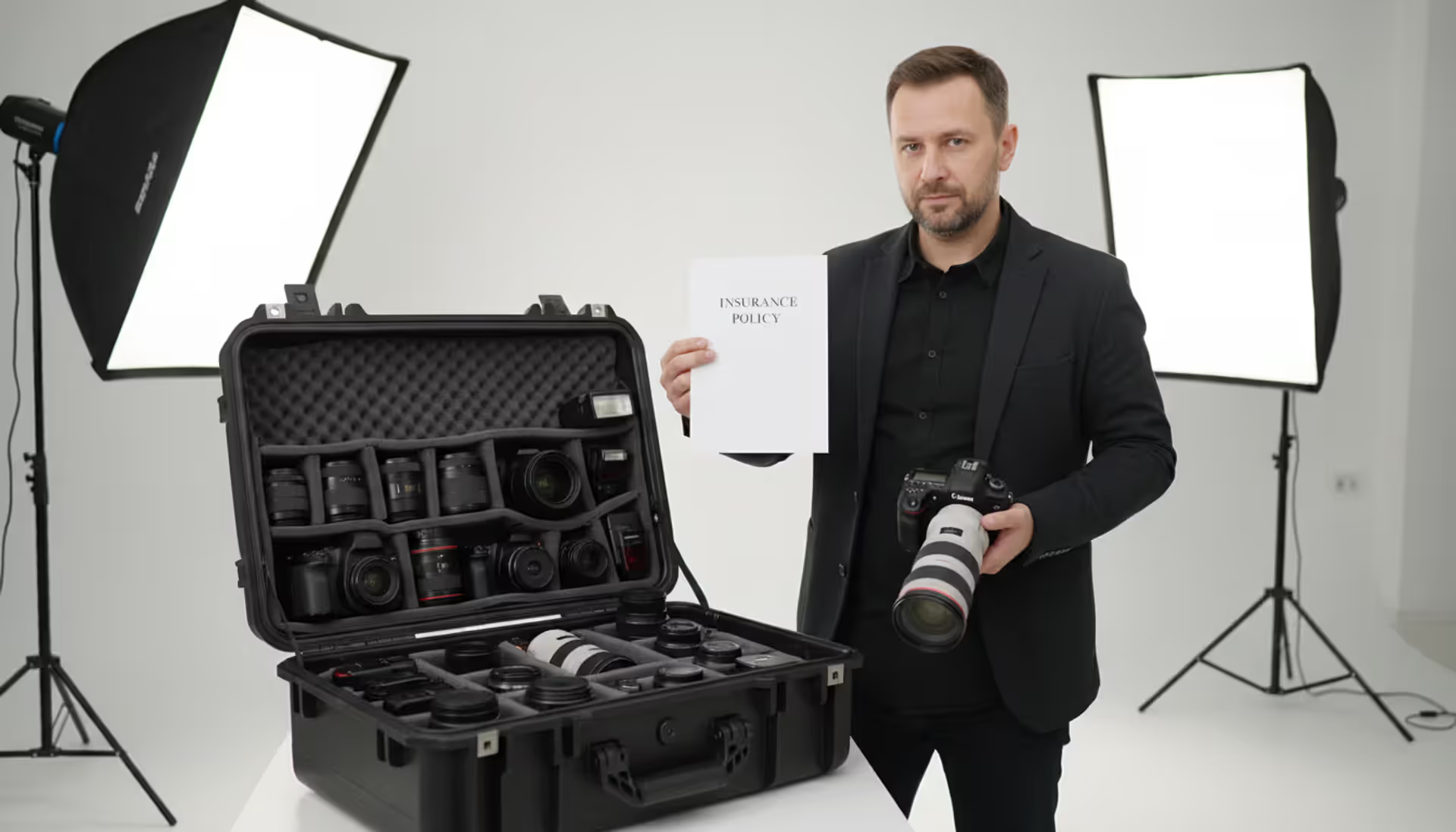
Wedding photographers face liability exposure from multiple angles that most other photography niches don't encounter. Venues typically require proof of insurance before allowing you to shoot on their property, with minimum coverage amounts ranging from $1 million to $2 million in general liability. Miss this requirement, and you'll lose the booking—or worse, shoot without coverage and assume enormous personal risk.
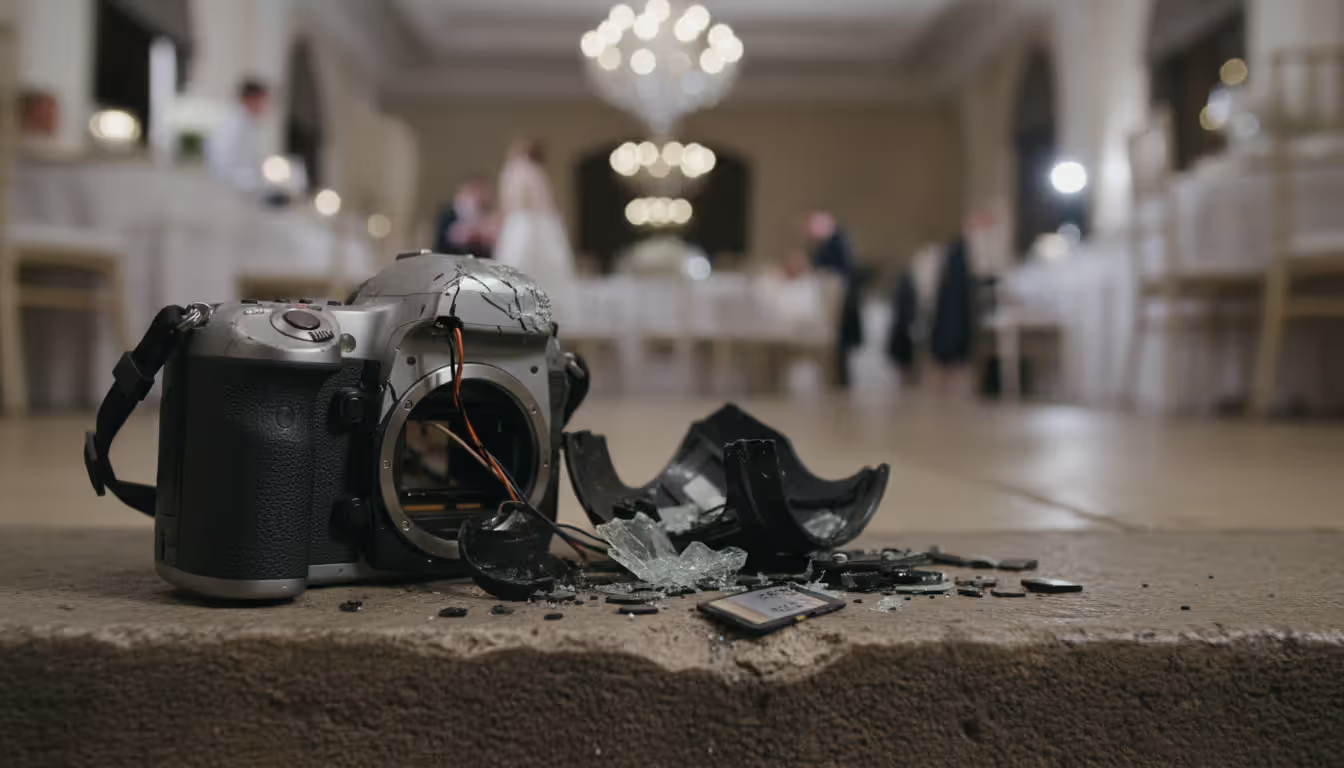
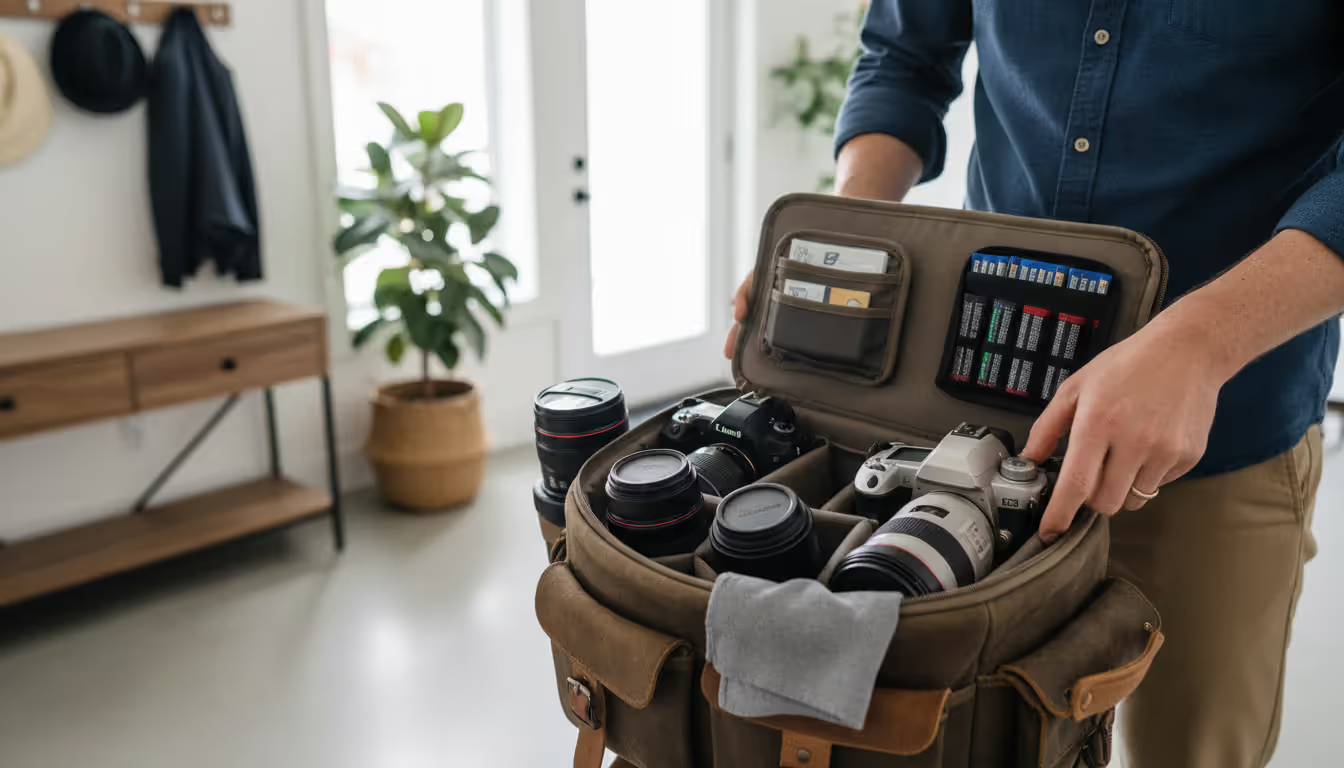
Equipment damage represents another significant threat. A camera body tumbling down stairs during a ceremony, lenses stolen from your vehicle between venues, or water damage from an unexpected downpour can cost $5,000 to $15,000 to replace. Homeowner's or renter's insurance rarely covers business equipment, leaving you personally liable for replacement costs.
Client lawsuits pose the most financially devastating risk. If a guest trips over your lighting cable and suffers a serious injury, you could face medical bills, lost wages, and legal fees exceeding $100,000. Property damage claims occur when photographers accidentally knock over expensive decorations, break venue fixtures, or cause damage while setting up equipment. Contract disputes arise when couples claim you failed to deliver promised services, missed key moments, or delivered substandard work.
Professional errors carry their own consequences. Corrupted memory cards, accidentally deleted files, or technical failures that result in lost wedding photos can trigger lawsuits claiming emotional distress and financial damages. Even if you win in court, legal defense costs alone can exceed $50,000.
Author: Olivia Wrenford;
Source: maryelizabethphoto.com
Venue requirements have become stricter. Many high-end venues maintain approved vendor lists that require current certificates of insurance. Country clubs, historic estates, hotels, and popular event spaces won't allow you on property without proof of coverage naming them as additional insured parties.
Types of Coverage for Wedding Photographers
General Liability Insurance
General liability insurance protects against third-party bodily injury and property damage claims. This coverage kicks in when a guest trips over your camera bag and breaks a wrist, or when you accidentally knock over a $3,000 ice sculpture while repositioning for a shot.
Typical policies provide $1 million per occurrence and $2 million aggregate coverage. The per-occurrence limit caps what the insurer pays for a single incident, while the aggregate limit caps total payouts during the policy period. Most venues require at least $1 million in general liability coverage, with some demanding $2 million or higher.
This coverage handles legal defense costs, settlements, and judgments up to your policy limits. It also covers advertising injury claims, such as accusations of copyright infringement in your marketing materials or invasion of privacy in published wedding photos.
Equipment and Property Coverage
Equipment coverage protects your cameras, lenses, lighting gear, computers, and other business property against theft, damage, and loss. Unlike general liability, this coverage protects your own assets rather than third-party claims.
Policies typically cover equipment whether stored at home, in transit, or being used at a venue. A comprehensive equipment policy covers theft from vehicles, accidental damage (dropping a lens), natural disasters, and even mysterious disappearance. Replacement cost coverage pays what it costs to buy new equipment today, while actual cash value coverage deducts depreciation.
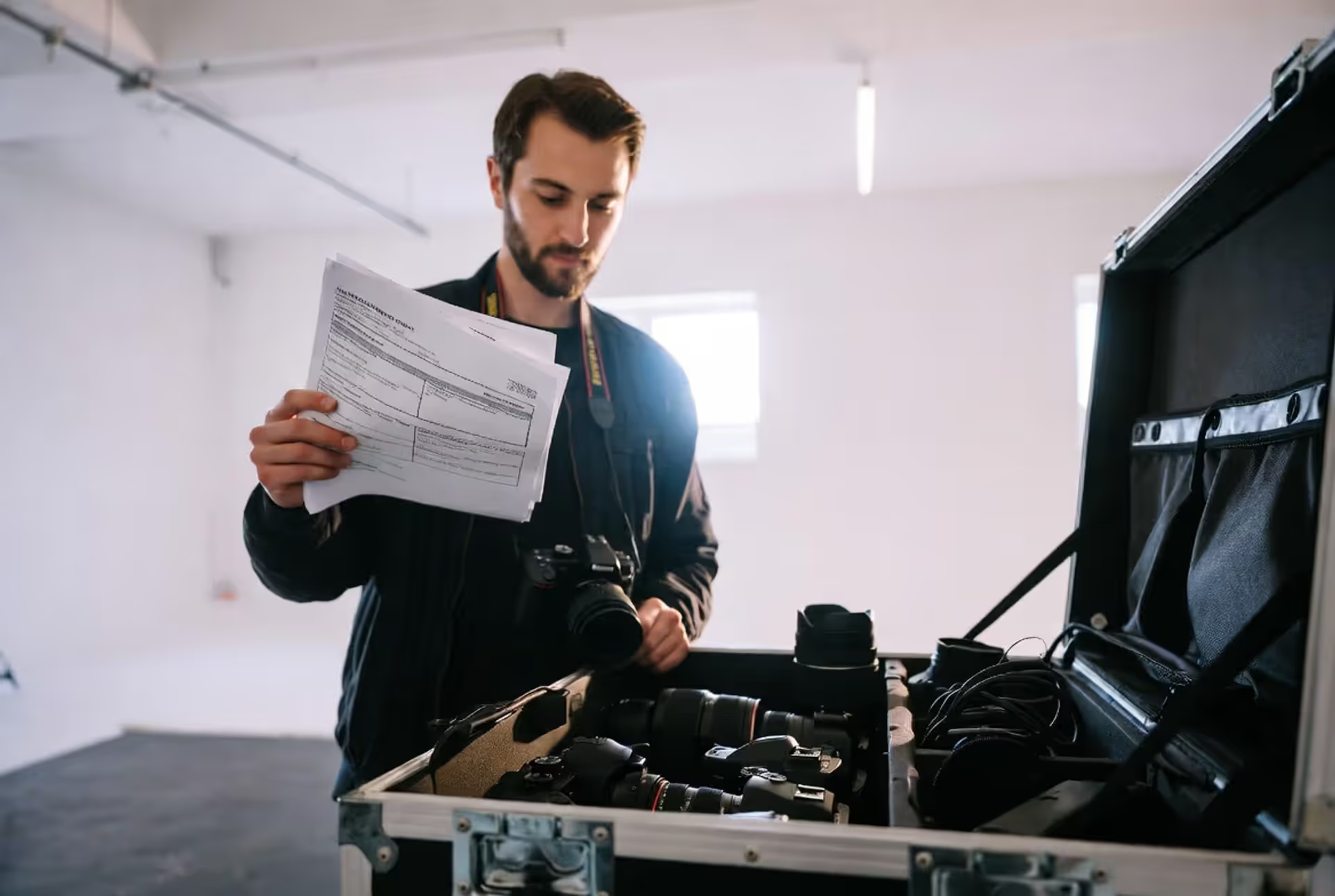
Most policies require you to provide an itemized list of equipment with serial numbers and values. Coverage limits range from $5,000 for part-time photographers to $100,000 or more for established studios with extensive gear collections. Deductibles typically run $250 to $1,000 per claim.
Professional Liability (Errors & Omissions)
Professional liability insurance, also called errors and omissions (E&O) coverage, protects against claims of professional negligence, mistakes, or failure to deliver promised services. This coverage becomes critical when technical failures, missed shots, or service disputes lead to lawsuits.
E&O coverage handles scenarios like corrupted files resulting in lost wedding photos, failure to capture key moments specified in your contract, or delivering images that don't meet professional standards. It covers legal defense costs and damages if a couple sues claiming you ruined their wedding memories.
Coverage limits typically match general liability amounts—$1 million per claim and $2 million aggregate. Policies operate on a claims-made basis, meaning the claim must be filed while coverage is active. This differs from general liability's occurrence-based coverage, which protects incidents that happened during the policy period regardless of when claims are filed.
Author: Olivia Wrenford;
Source: maryelizabethphoto.com
How Liability Insurance for Wedding Photographers Works
Liability insurance for wedding photographers operates through a straightforward claims process, though understanding coverage limits and exclusions prevents surprises when you need protection most.
Coverage limits work in tiers. A standard $1 million/$2 million policy pays up to $1 million for any single incident and up to $2 million total during the policy year. If a guest suffers a $750,000 injury from tripping over your equipment, the policy covers the full amount. If multiple incidents occur throughout the year totaling $2.5 million, you're personally liable for the $500,000 exceeding your aggregate limit.
The claims process begins when an incident occurs. You notify your insurer immediately, providing details about what happened, who was involved, and any documentation like incident reports or venue statements. The insurer assigns a claims adjuster who investigates, determines coverage, and handles negotiations. If the claim involves a lawsuit, the insurer provides legal defense and covers settlements or judgments up to policy limits.
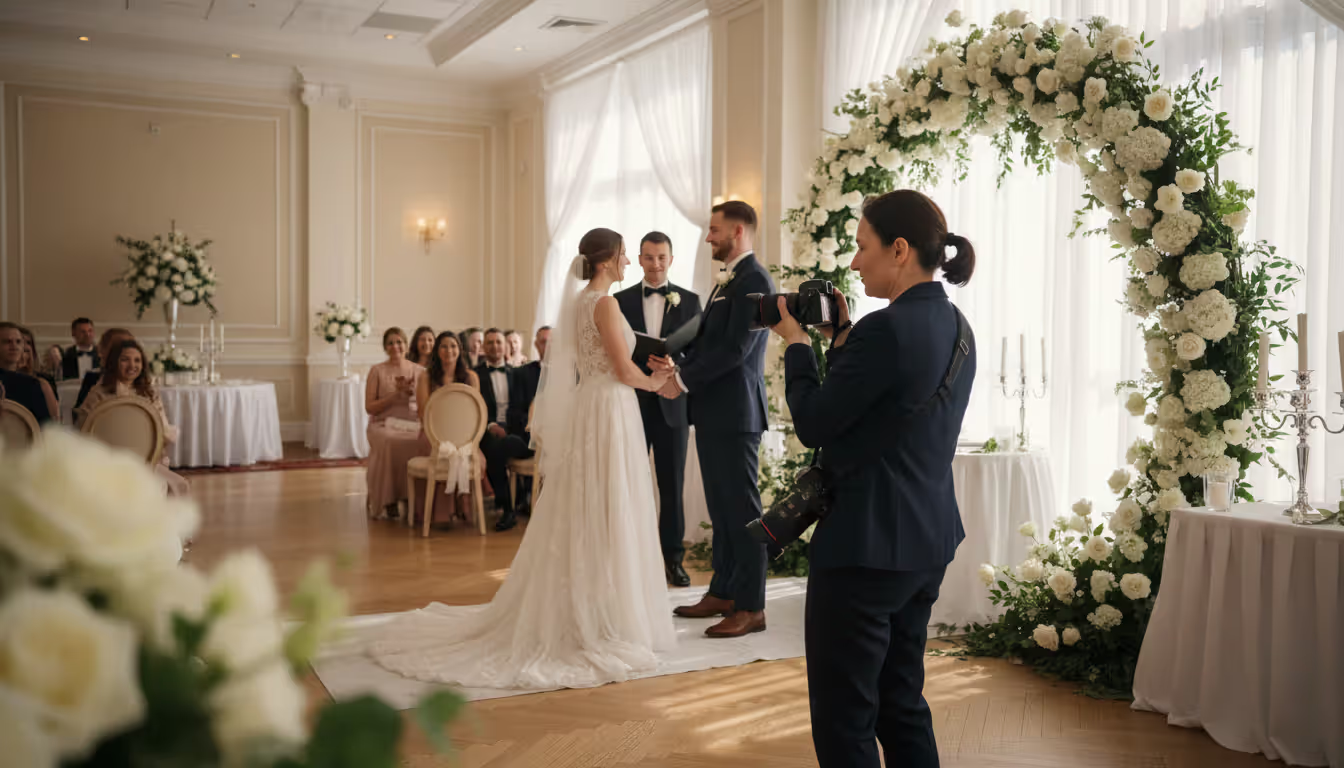
Event photo liability coverage specifically addresses risks during shoots. If you're photographing a ceremony and a light stand falls, injuring a bridesmaid, general liability covers medical expenses and legal claims. If the venue's chandelier gets damaged when you bump it while shooting reception details, property damage coverage handles repairs or replacement.
Real-world claim examples illustrate how coverage works. A photographer repositioning during a first dance stepped backward into a waiter carrying champagne glasses. The waiter fell, suffered a back injury requiring surgery, and sued for $200,000 in medical bills and lost wages. General liability covered the settlement and legal fees. Another photographer's assistant tripped over a cable, knocking over a $5,000 wedding cake. Property damage coverage paid the bakery's replacement costs and delivery fees.
Common exclusions include intentional acts, criminal behavior, contract disputes over payment, and damage to property in your care, custody, or control. If you borrow a venue's ladder and break it, that's typically excluded. Professional liability covers service failures, but general liability doesn't cover purely financial disputes over contract terms.
I've seen photographers lose their businesses over a single uninsured claim. A $50,000 injury lawsuit doesn't just threaten your savings—it can force bankruptcy and destroy your reputation in the wedding industry. The $500 annual premium for proper coverage is the cheapest business investment you'll make
— Sarah Mitchell
One Day Photography Insurance vs. Annual Policies
One day photography insurance offers event-specific coverage for photographers who shoot weddings occasionally or need to meet venue requirements for a single booking. Annual policies provide year-round protection for established wedding photographers.
Short-term coverage makes sense when you shoot fewer than 10 weddings yearly, work primarily in other photography niches, or need to meet specific venue insurance requirements on short notice. Policies activate for 24-hour periods or specific event dates, providing the same liability limits and coverage types as annual policies but for a fraction of the cost.
Feature
One-Day Policy
Annual Policy
Cost
$75–$200 per event
$500–$2,000 per year
Coverage Duration
24 hours or specific event date
12 months continuous
Best For
Part-time photographers, occasional weddings
Full-time wedding photographers
Certificate Turnaround
Instant to 24 hours
Instant upon purchase
Equipment Limits
Up to $10,000 typical
$25,000–$100,000+ available
Liability Limits
$1M–$2M standard
$1M–$5M available
Cost comparison reveals when each option makes financial sense. If you shoot five weddings yearly at $150 per one-day policy, you'll spend $750 total. An annual policy costing $800 becomes cost-effective at six events. Beyond 10 weddings annually, annual coverage delivers significantly better value while eliminating the administrative hassle of purchasing coverage for each event.
Flexibility represents one-day coverage's primary advantage. You can purchase protection exactly when needed, avoid paying for coverage during slow periods, and adjust coverage amounts for specific venue requirements. High-end venues demanding $2 million in coverage won't require you to maintain that limit year-round if most bookings need only $1 million.
Annual policies offer convenience and comprehensive protection. Coverage remains active for all business activities, not just scheduled events. If equipment gets stolen from your studio or a client sues six months after their wedding, you're protected. You avoid last-minute insurance purchases before each event and maintain continuous coverage for year-round business operations.
The trade-off involves commitment versus flexibility. Annual policies require upfront payment and lock you into 12-month coverage regardless of booking volume. One-day policies let you pay as you go but cost more per event and require planning ahead for each wedding.
Author: Olivia Wrenford;
Source: maryelizabethphoto.com
What to Look for When Choosing a Policy
Selecting insurance for wedding photographers requires evaluating coverage amounts, understanding vendor requirements, and comparing providers based on price, service, and industry specialization.
Coverage amounts should match your risk exposure and venue requirements. Start with $1 million per occurrence and $2 million aggregate for general liability—the industry standard that satisfies most venue requirements. Equipment coverage should equal your gear's replacement cost plus 20% for new purchases. Professional liability limits typically match general liability amounts.
Deductibles directly impact premiums and out-of-pocket costs. Higher deductibles ($500–$1,000) reduce annual premiums by 15%–25% but increase what you pay when filing claims. Lower deductibles ($100–$250) cost more upfront but minimize expenses during claims. Match deductibles to your emergency fund—don't choose a $1,000 deductible if you can't afford that expense.
Venue requirements dictate minimum coverage and additional insured endorsements. Request venue insurance requirements when booking, typically 60–90 days before the event. Most venues require certificates of insurance naming them as additional insured parties. This endorsement extends your liability coverage to protect the venue from claims arising from your activities, costing $25–$50 per certificate.
Certificates of insurance prove coverage to venues and clients. Reputable insurers provide certificates within minutes to 24 hours at no charge. The certificate lists your coverage types, limits, policy period, and names the venue as an additional insured party. Never shoot an event requiring a certificate without obtaining and delivering it by the venue's deadline—typically 7–14 days before the event.
Pricing factors include coverage limits, deductibles, claims history, business revenue, and equipment values. Photographers with clean claims histories pay 20%–30% less than those who've filed multiple claims. Higher revenue and equipment values increase premiums proportionally. Location matters—photographers in high-cost areas like New York or California pay 30%–50% more than those in lower-cost regions.
Reputable providers specializing in photographer insurance understand industry-specific risks and offer tailored coverage. Look for insurers offering instant online quotes, same-day certificates, equipment scheduling that lists individual items, and claims support from adjusters familiar with photography businesses. Check financial ratings through AM Best or Standard & Poor's to ensure the insurer can pay claims.
Compare at least three quotes before purchasing. Evaluate total cost, coverage breadth, deductibles, exclusions, certificate fees, and customer service reputation. Read policy exclusions carefully—some policies exclude drone coverage, international shoots, or specific venue types.
Common Mistakes Wedding Photographers Make with Insurance
Underinsuring equipment ranks as the most frequent mistake. Photographers list only major items like camera bodies and lenses while forgetting tripods, lighting equipment, computers, hard drives, and accessories. A complete gear inventory for a working wedding photographer often totals $15,000–$30,000, yet many carry only $5,000–$10,000 in coverage. When theft or damage occurs, they discover they're underinsured by 50% or more.
Missing venue deadlines creates unnecessary stress and potential booking losses. Venues typically require certificates of insurance 7–14 days before events. Photographers who wait until the last minute sometimes find themselves unable to obtain coverage in time, forcing them to cancel bookings or shoot without protection. Set reminders 30 days before each wedding to request certificates, allowing time for any complications.
Assuming homeowner's insurance covers business equipment leads to denied claims and financial losses. Homeowner's and renter's policies explicitly exclude business property and professional liability. When photographers file claims for stolen cameras or client lawsuits, they learn their personal policies provide zero coverage. Business insurance costs $500–$2,000 annually—far less than replacing $20,000 in equipment or defending a $100,000 lawsuit out of pocket.
Not reading exclusions results in coverage gaps. Standard policies exclude drone photography, international coverage, extreme sports or adventure shoots, and coverage for rented or borrowed equipment. If you incorporate drone shots into wedding packages without adding drone coverage, claims get denied. If you shoot destination weddings abroad without international coverage, you're unprotected outside the United States.
Failing to update coverage as your business grows leaves you underinsured. Photographers who purchased policies years ago often maintain the same limits despite acquiring more equipment, raising prices, and booking higher-end venues. Review coverage annually and increase limits as your business expands.
Author: Olivia Wrenford;
Source: maryelizabethphoto.com
Skipping professional liability coverage to save money creates enormous risk. General liability covers third-party injuries and property damage but won't protect you when couples sue over lost photos, missed shots, or service failures. Professional liability costs $200–$400 annually—minimal compared to defending a negligence lawsuit that could cost $75,000 in legal fees alone.
Frequently Asked Questions
How much does wedding photographers insurance cost?
Annual policies for liability insurance for wedding photographers typically cost $500–$2,000 depending on coverage limits, equipment values, and location. Basic coverage with $1 million liability and $10,000 equipment protection runs $500–$800 annually. Comprehensive coverage with $2 million liability, $50,000 equipment protection, and professional liability costs $1,200–$2,000. One day photography insurance costs $75–$200 per event, making it economical for photographers shooting fewer than six weddings yearly.
Do I need insurance if I only shoot a few weddings per year?
Yes, even part-time photographers need coverage. Venues require proof of insurance regardless of how many weddings you shoot annually. A single lawsuit or equipment loss can devastate your finances whether you're full-time or part-time. One day photography insurance offers affordable protection for occasional wedding photographers, costing $75–$150 per event rather than $500+ for annual coverage.
Will my venue accept one day photography insurance?
Most venues accept one-day policies as long as they meet minimum coverage requirements and name the venue as an additional insured party. Confirm the venue's specific requirements before purchasing coverage. Some high-end venues require annual policies or won't accept certain insurers, so verify acceptance before the certificate deadline.
Does liability insurance cover damage to the venue?
Yes, general liability insurance covers accidental property damage you cause to venue property. If you knock over decorations, break fixtures, or damage flooring while setting up equipment, your policy covers repairs or replacement up to your coverage limits. Intentional damage and damage to property you're renting or borrowing are typically excluded.
What happens if I lose a couple's wedding photos?
Professional liability insurance (errors and omissions coverage) protects you when technical failures, lost files, or corrupted memory cards result in missing wedding photos. The policy covers legal defense costs and damages if couples sue for negligence. Without professional liability coverage, you'll pay legal fees and settlements from personal funds, potentially costing $50,000–$100,000 or more.
Can I add coverage for assistants or second shooters?
Yes, most policies cover employees and independent contractors working under your direction. Verify your policy includes coverage for assistants and second shooters, as some policies require endorsements or additional premiums. If assistants operate as independent contractors, they may need their own coverage depending on your contract terms and state regulations.
Insurance for wedding photographers isn't optional—it's fundamental business infrastructure that protects your livelihood, satisfies venue requirements, and provides peace of mind during high-pressure events. The risks wedding photographers face—from equipment theft and venue damage to client lawsuits and professional errors—carry financial consequences that can end careers and destroy personal finances.
Whether you choose one day photography insurance for occasional events or annual coverage for full-time wedding work, the key is matching protection to your specific risk exposure. Evaluate your booking volume, equipment values, venue requirements, and budget to determine the right coverage types and limits. Invest in comprehensive protection including general liability, equipment coverage, and professional liability to address all major risks.
Review policies annually, update coverage as your business grows, and maintain certificates of insurance for every venue requiring them. The $500–$2,000 annual investment in proper coverage delivers invaluable protection against six-figure losses and provides the professional credibility clients and venues expect. Don't wait for a lawsuit, equipment loss, or venue rejection to discover you're unprotected—secure appropriate coverage before your next wedding.
Running a photography business means investing thousands in gear and facing liability risks at venues and events. The right insurance protects your equipment and livelihood when accidents happen. Learn what coverage you need, costs by business type, and mistakes to avoid
Photography insurance costs range from $200 to $2,000+ annually depending on your business size and coverage needs. This comprehensive guide breaks down average costs by photographer type, explains factors affecting quotes, and shows you how to compare policies effectively while avoiding common mistakes
Photography insurance protects your business from lawsuits, equipment loss, and professional liability claims. Learn what coverage photographers need, how much policies cost, and how to choose the right protection for your specialty—from wedding photography to commercial work
Professional photographers invest thousands in gear that can disappear in seconds through theft, accidents, or disasters. Photography equipment insurance typically costs $150-$900 annually, with rates varying based on gear value, coverage limits, and location. Understanding pricing factors helps you budget appropriately
The content on this website is provided for general informational and educational purposes only. It is intended to explain concepts related to running a photography business, insurance coverage, marketing, websites, and professional development.
All information on this website, including articles, guides, and examples, is presented for general educational purposes. Outcomes may vary depending on business size, location, and individual choices.
This website does not provide professional legal, insurance, financial, or business advice, and the information presented should not be used as a substitute for consultation with qualified professionals.
The website and its authors are not responsible for any errors or omissions, or for any outcomes resulting from decisions made based on the information provided on this website.