Picture this: you're browsing family photos online, and you can immediately tell which ones were taken at a studio and which ones happened during actual life. That second category? That's lifestyle photography at work.
This photography style documents real people doing real things in places that actually matter to them. Your kitchen during Saturday morning chaos. The park where your kids learned to ride bikes. Your grandmother's living room during holiday visits. The photographer shows up, suggests a few activities, then steps back to capture what happens next—the spilled juice, the belly laughs, the quiet moments between the action.
Here's what changed: families got tired of stiff portraits that ended up in drawers instead of on walls. They wanted photos showing their actual lives, mess and all. A two-year-old refusing to sit still isn't a problem anymore—it's the whole point.
Understanding Lifestyle Photography
The late 1990s brought a rebellion against traditional photography. Photographers started asking themselves: why are we forcing families into uncomfortable poses under harsh studio lights? Why can't we just document how they really interact?
Digital cameras accelerated this shift. Suddenly, photographers could shoot hundreds of frames without worrying about film costs. They could experiment with natural light, chase toddlers around backyards, and capture fleeting expressions without the pressure of "getting it in three shots."
Social media sealed the deal. Instagram and Facebook created massive appetite for authentic, relatable images. People scrolled past perfectly staged portraits but stopped for photos showing genuine emotion—even if the composition wasn't "perfect."
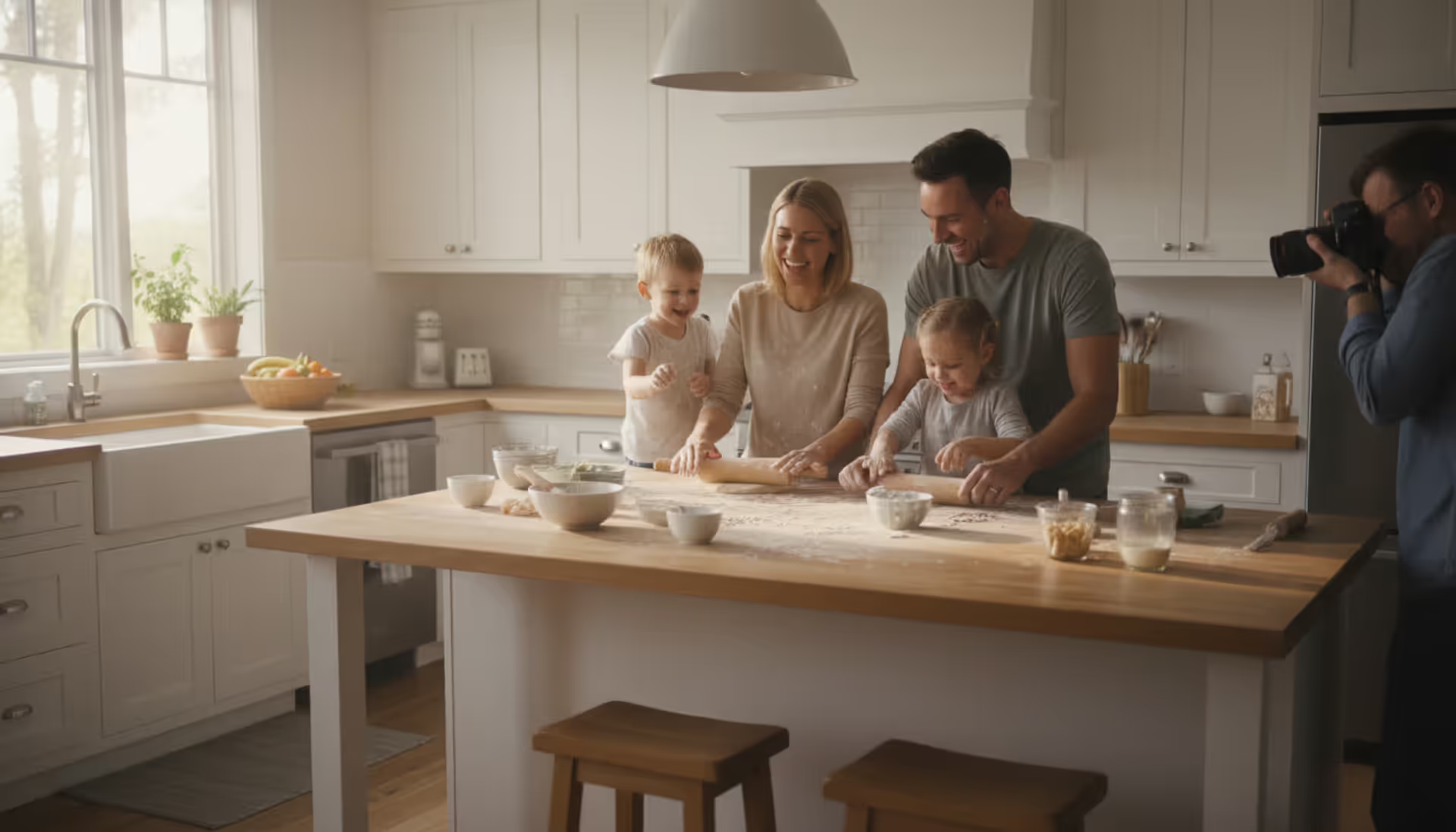
The philosophy sounds simple: photograph people being themselves. But execution requires skill. Yes, the photographer directs—they'll position your family near a window with gorgeous light, or suggest making cookies together. The crucial difference happens next. Instead of saying "now smile at the camera," they back off and let the cookie-making unfold. They're hunting for your daughter sneaking chocolate chips, the flour on your husband's nose, your son's concentration while stirring.
Traditional photographers might nail the perfect shot in two minutes. Lifestyle photographers need fifteen minutes watching the same scene, waiting for those authentic moments. They shoot constantly during this time, building a story through dozens of images rather than nailing one perfect frame.
Author: Samantha Corbett;
Source: maryelizabethphoto.com
How Lifestyle Photography Differs from Traditional Portrait Photography
These approaches create completely different experiences and results:
Aspect
Lifestyle Photography
Traditional Portrait Photography
Where It Happens
Your home, meaningful outdoor spots, favorite local places
Photography studios or generic park locations
How You're Posed
Light direction focused on activities and interaction
Specific positioning with detailed instructions
Lighting Approach
Available light from windows or outdoors
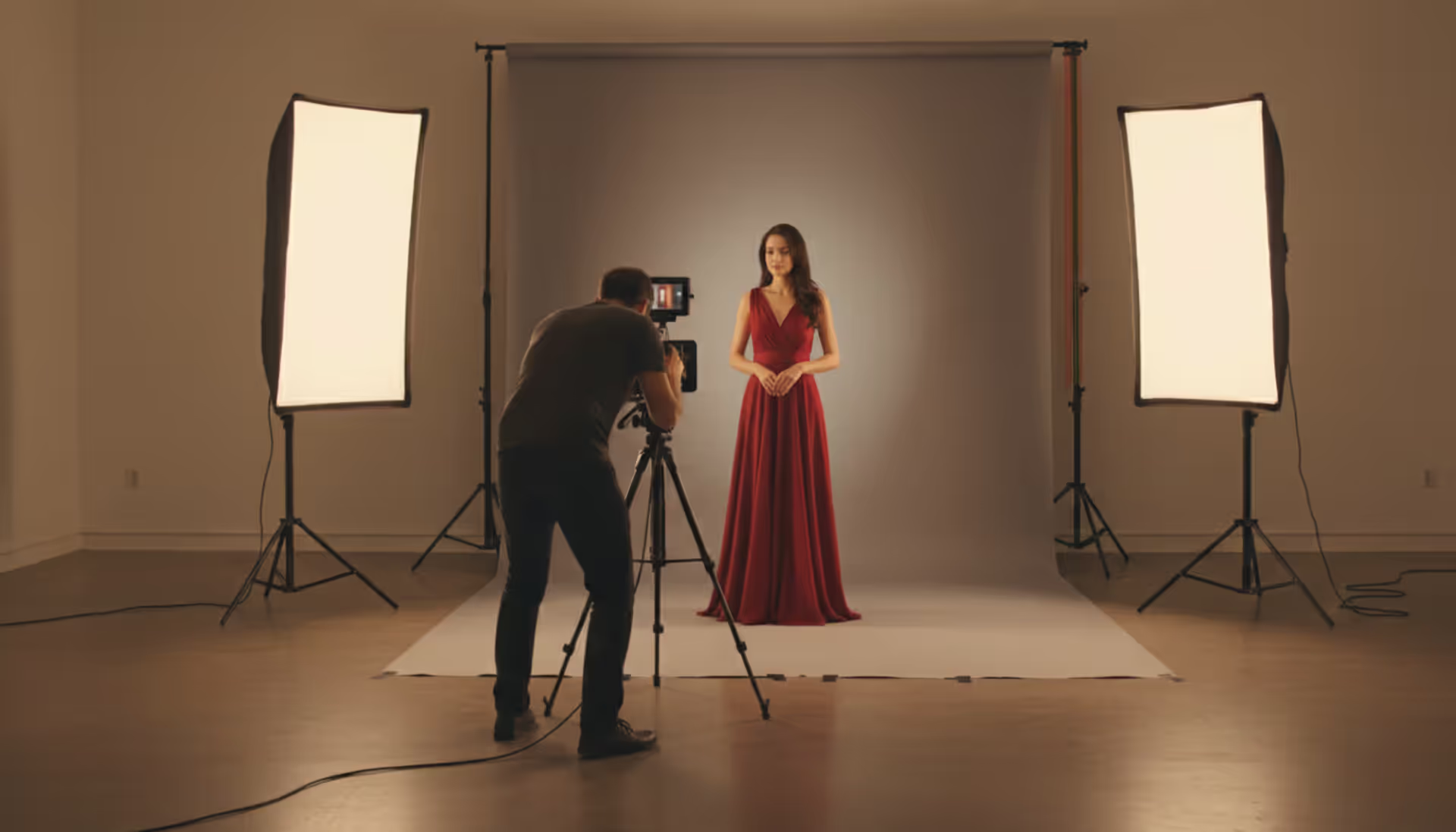
Controlled strobes, softboxes, and studio equipment
What You Wear
Coordinated but comfortable everyday clothes
Matching formal outfits or dressy attire
Time Required
60-120 minutes allowing genuine moments to emerge
30-60 minutes executing planned poses efficiently
What You're Doing
Moving, playing, interacting naturally
Staying relatively still, looking at camera
How Images Look
Documentary-style with real expressions and connections
Polished portraits with perfect composition and direct gaze
Best Used For
Home wall art, personal albums, memory keeping
Professional headshots, formal records, holiday cards
Traditional photography still dominates certain situations. Need corporate headshots? Studio portraits work better. Want consistent team photos for a website? Controlled lighting delivers predictability.
Portrait lifestyle photography sits between these extremes. The photographer might pose your family on your front porch but then encourage conversation instead of camera-staring. You're in a real location, doing somewhat directed activities, but the interactions feel genuine.
Common Types of Lifestyle Photography Sessions
Family and Children Sessions
Family lifestyle photography works best when it mirrors your actual routine. Photographers often start around 9 AM when morning light streams through windows and kids haven't hit their cranky phase.
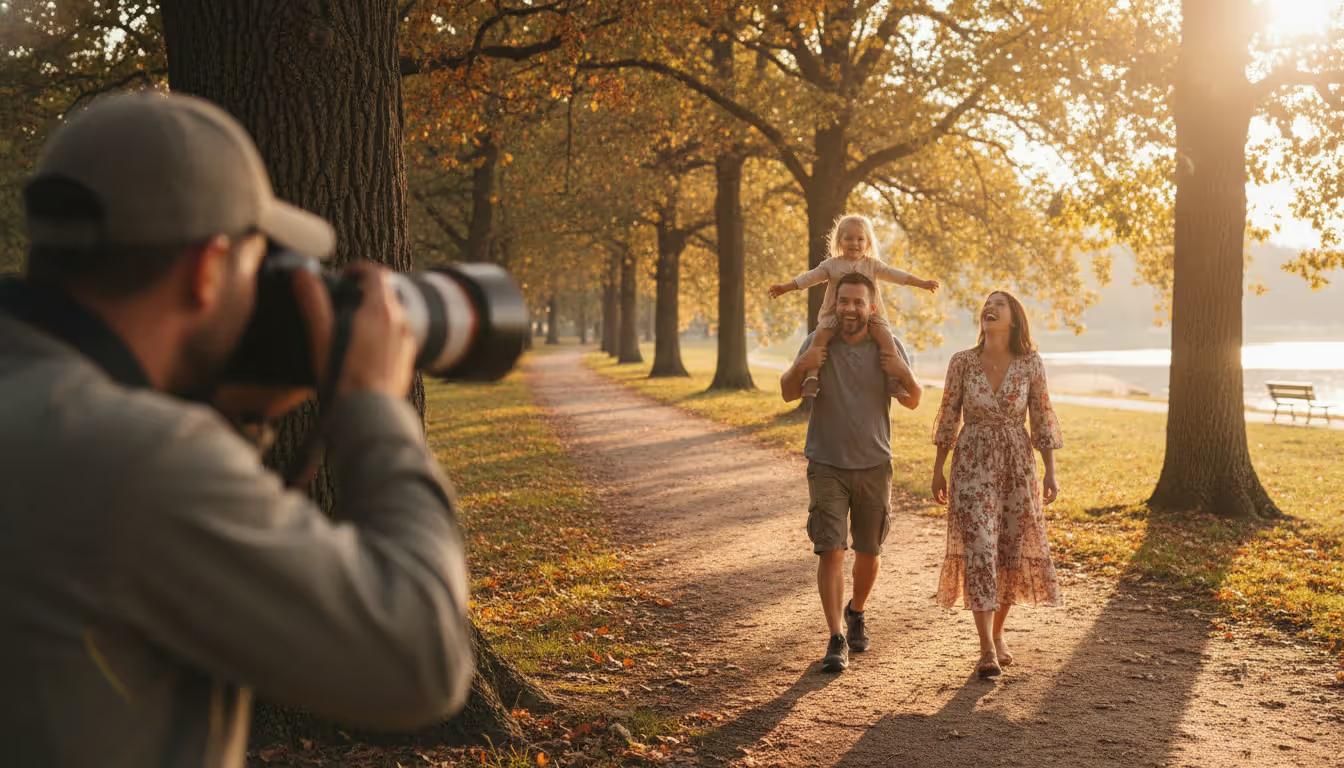
The session builds around activities you'd genuinely do together. Love hiking? The photographer joins you on a familiar trail. Spend Saturday mornings in pajamas reading books? Perfect—that's the session. The worst lifestyle photos happen when families pretend to enjoy activities they never actually do.
Author: Samantha Corbett;
Source: maryelizabethphoto.com
Author: Samantha Corbett;
Source: maryelizabethphoto.com
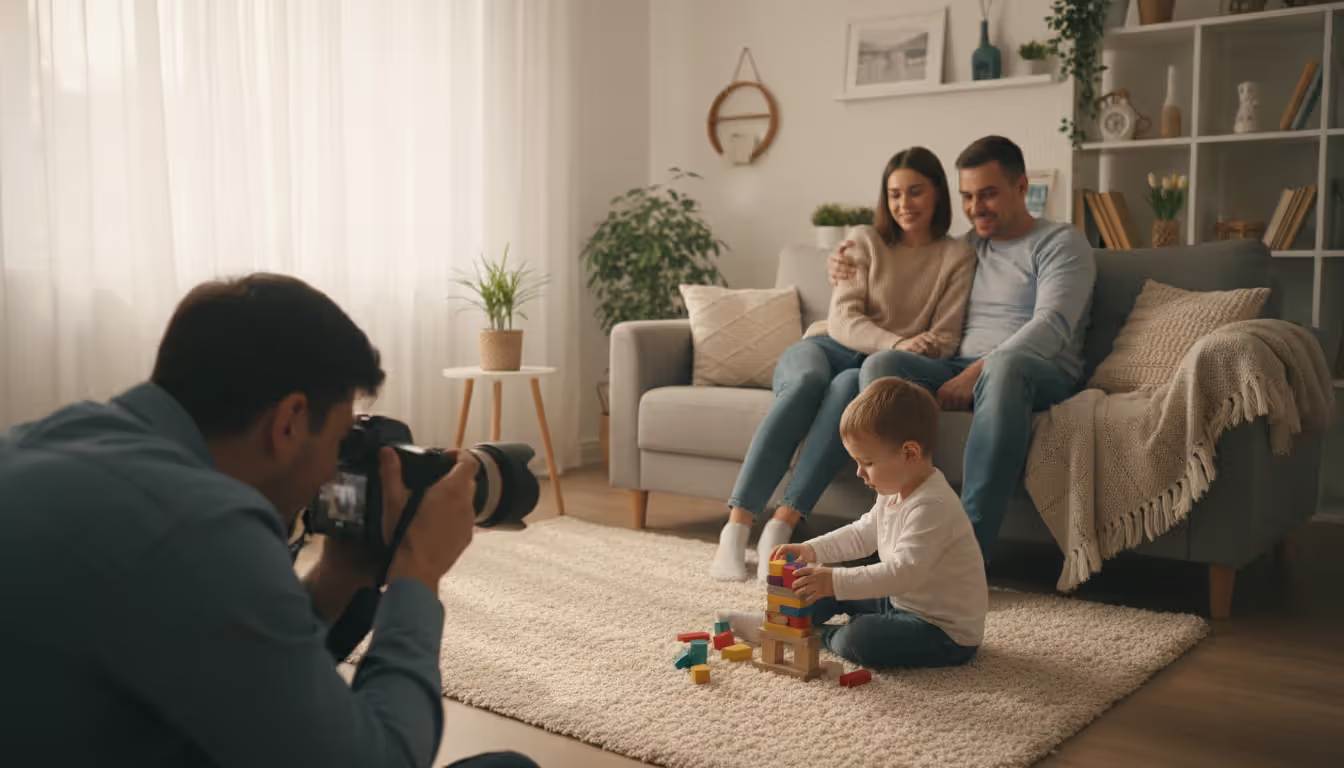
Photographers suggest specific activities because idle standing creates awkward photos. Baking cookies together gives everyone something to do with their hands. Building with blocks gets kids engaged and forgetting about the camera. Reading favorite stories creates natural cuddle positions. These activities become the framework for genuine interaction.
Kids under five follow exactly zero directions. Their moods swing wildly. They need snacks and bathroom breaks at inconvenient moments. Experienced lifestyle photographers expect this chaos. They work in quick bursts during cooperative windows, take breaks without stress, and know tricks for redirecting attention. Feed your kids beforehand. Schedule around naps. Bring backup snacks. Accept that perfection isn't the goal.
Newborn Photography
Remember those posed newborn photos from the early 2010s? Sleeping babies curled in baskets, perched on beanbags, wearing elaborate headbands and wrapped in layers of fabric? That trend's fading fast.
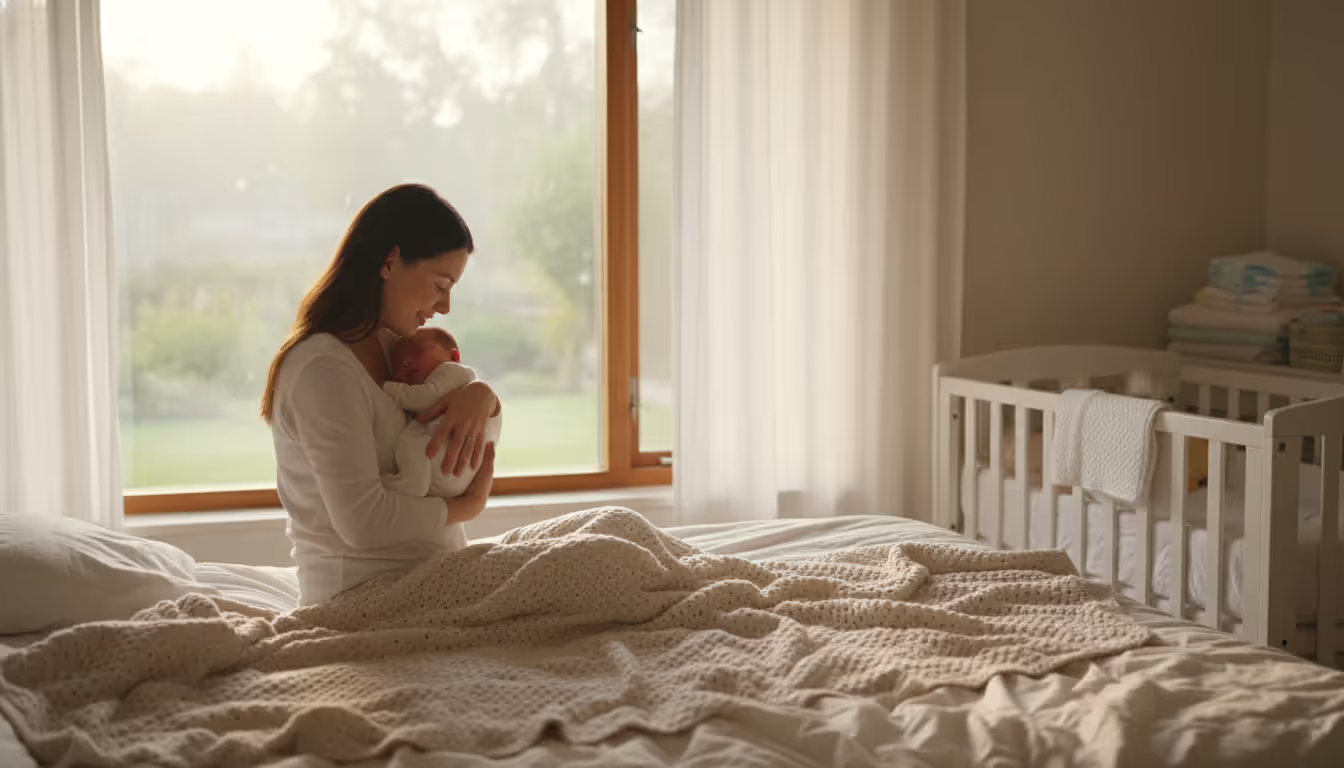
Newborn lifestyle photography documents the first weeks at home instead. Parents holding their baby near bedroom windows in soft morning light. Big siblings meeting the newest family member. Feeding moments. Tiny toes. The organized chaos of your nursery. These sessions tell the story without requiring your baby to sleep through complicated positioning.
Timing matters, but it's flexible. Weeks one through three work well because newborns sleep heavily and naturally curl into compact positions. Some families wait until six or eight weeks when everyone's adjusted and parents have showered at least once. Both approaches work.
The session revolves entirely around your baby's needs. Hungry? Everyone pauses. Fussy? The photographer adapts. This flexibility makes lifestyle newborn sessions significantly less stressful than studio appointments requiring a perfectly sleeping infant.
Product and Commercial Applications
Product lifestyle photography shows items during actual use rather than floating on white backgrounds. E-commerce brands photograph jackets on hikers mid-trail, not on mannequins. Cookware companies show their pans on real stoves in actual kitchens with ingredients scattered nearby and steam rising.
This approach resonates with younger consumers who smell marketing phoniness from miles away. A skincare product photographed on a bathroom counter with morning light and water droplets feels trustworthy. The same product on a white background feels like an advertisement.
Commercial lifestyle photography requires more planning than family sessions. Art directors create detailed mood boards. Locations get scouted carefully. Models are hired and directed. Shot lists exist. But skilled product lifestyle photographers still allow spontaneity within these parameters, capturing moments that make products feel accessible.
User-generated content influenced this shift dramatically. Brands now want lifestyle product images that could plausibly appear in a customer's Instagram feed, blurring lines between professional photography and authentic customer photos.
Author: Samantha Corbett;
Source: maryelizabethphoto.com
What Lifestyle Photographers Actually Do During a Shoot
The work starts weeks before anyone touches a camera. Photographers conduct detailed consultations understanding your family dynamics, preferences, and goals. They ask about daily routines, favorite activities together, and which rooms in your home get the best light at different times.
Location matters enormously. For home sessions, some photographers visit beforehand identifying the best spaces and lighting conditions. They notice which windows provide soft light at 10 AM versus 4 PM and schedule accordingly. For outdoor sessions, they scout parks considering crowd levels, background distractions, and seasonal conditions.
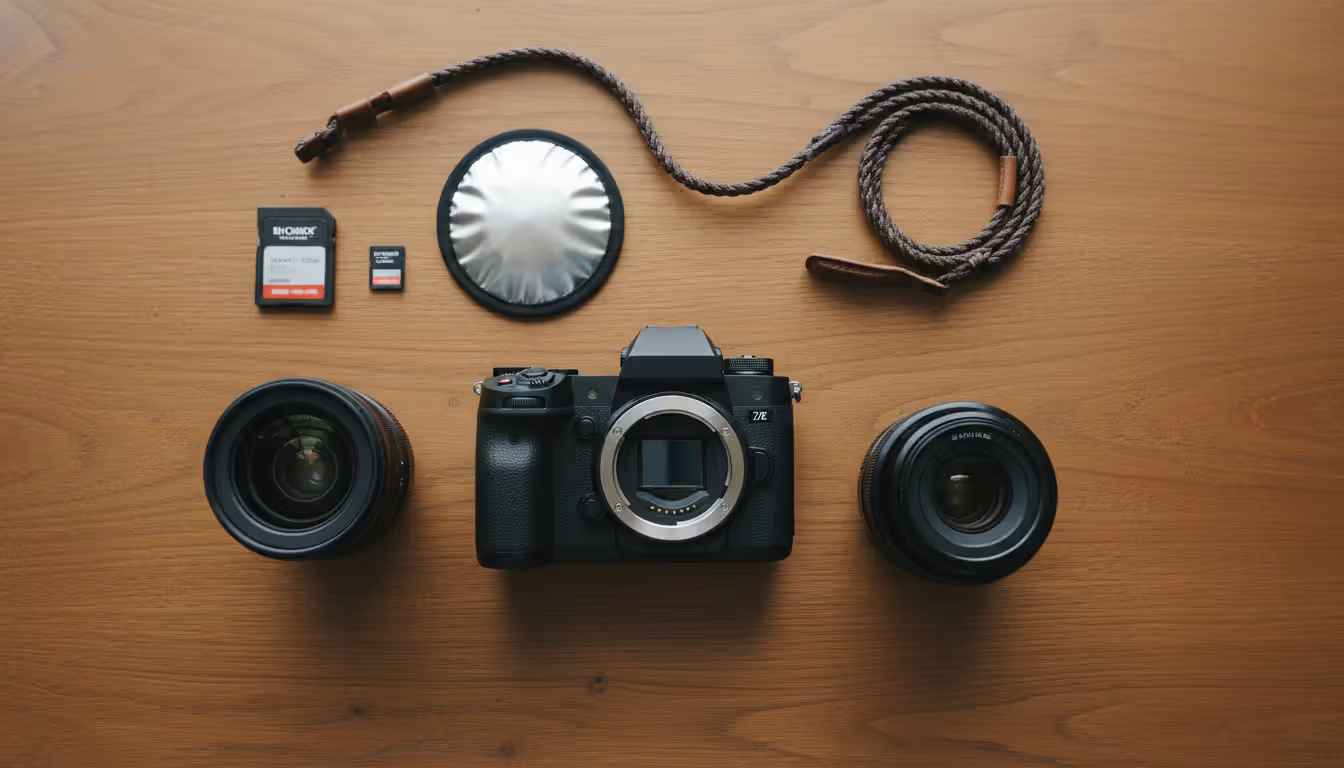
Session day arrives with minimal equipment—usually one or two camera bodies, several lenses, maybe a reflector. No elaborate lighting setups disrupting the natural environment or making everyone self-conscious.
The photographer alternates between directing and disappearing. They might start suggesting: "Let's all work on that puzzle together on the living room floor." Then they step back, observing and shooting as things unfold. When energy drops or compositions feel stale, they introduce new prompts: "Dad, how high can you toss her?" or "Let's make hot chocolate in the kitchen."
Reading people separates good lifestyle photographers from great ones. They notice when kids are getting tired, when parents feel awkward, when genuine connection is happening. Their approach adjusts constantly—offering more direction sometimes, vanishing into the background other times.
The magic happens when families forget I'm there.I'm not trying to manufacture perfect moments. I'm creating an environment where real moments can happen, then being ready with my camera when they do
— Maria Chen
Technical excellence must become automatic. Exposure, composition, and light decisions happen subconsciously, freeing mental bandwidth for connecting with subjects and anticipating meaningful moments.
How to Choose the Right Lifestyle Photographer
Start with portfolio evaluation. Look beyond technical quality toward style matching. Some lifestyle photographers favor bright, airy images with lots of white space. Others prefer moodier, documentary-style work with deeper shadows and richer colors. Neither is superior—they're aesthetic choices.
Pay special attention to how children look in their portfolio. Do kids appear genuinely happy and engaged? Or stressed and camera-aware? Review images of families resembling yours in size and dynamics. A photographer excelling with calm families of three might struggle with five kids under eight.
Initial consultations matter. Ask specific questions:
How do you handle situations like toddler meltdowns?
What's your backup plan if we need to reschedule?
How many edited images are included?
When will we receive the final gallery?
Do you offer printing, or should we use specific labs?
Discuss your comfort level with candid photography honestly. Some people find it relaxing. Others feel anxious without clear direction. Good lifestyle photographers adapt their approach to client personalities, providing more structure when needed while maintaining the natural aesthetic.
Pricing swings wildly based on location, experience, and deliverables. Major metropolitan areas typically run $400-$1,200 for one-hour family sessions including 40-60 edited digital images. Newborn sessions often cost slightly more ($500-$1,500) because they require additional time and specialized skills for working safely with infants.
Mini-sessions offer reduced rates—typically 20-30 minutes with 15-20 images for $200-$400. These work well for families wanting updated photos without full session investment, though shorter timeframes limit how deeply the photographer can capture your family's story.
Review contracts thoroughly. Understand image usage rights, cancellation policies, and contingency plans for photographer illness or emergencies. Professional photographers carry liability insurance and maintain backup equipment.
Author: Samantha Corbett;
Source: maryelizabethphoto.com
Equipment and Settings Used in Lifestyle Photography
Lifestyle photographers prioritize gear enabling quick, unobtrusive work in varied lighting. Full-frame cameras with excellent high-ISO performance are standard, allowing shooting in dimly lit homes without flash. Popular choices include the Canon EOS R5, Sony A7 IV, and Nikon Z6 III—cameras balancing image quality, autofocus performance, and low-light capability.
Lens selection emphasizes versatility and wide apertures for shallow depth of field and low-light shooting. A 35mm f/1.4 or f/1.8 serves as the workhorse for many photographers, providing natural field of view working well in most homes. A 50mm f/1.4 or f/1.8 offers slightly more compression and beautiful background blur for closer portraits, while an 85mm f/1.8 captures intimate moments from a distance without intruding.
Some photographers also carry a 24mm or 24-70mm zoom for environmental shots showing entire rooms or outdoor scenes. Zooms provide flexibility when space is tight and backing up isn't possible.
Natural light defines the lifestyle aesthetic. Photographers position subjects near windows, using soft, directional light creating dimension and warmth. North-facing windows provide consistent, diffused light all day. East and west windows offer gorgeous golden light during morning and evening hours but can be harsh midday. South-facing windows flood spaces with bright light that may require diffusion with sheer curtains.
When natural light proves insufficient, lifestyle photographers typically use subtle fill techniques rather than obvious artificial lighting. A white reflector bouncing window light back onto subjects can open shadows without creating an unnatural look. Some photographers carry small, battery-powered LED panels positioned to mimic window light, keeping setups minimal and unobtrusive.
Camera settings prioritize freezing motion and maintaining sharp focus on moving subjects. Shutter speeds typically stay at 1/200 second or faster capturing children running or playing without blur. Apertures between f/2.0 and f/4.0 provide enough depth of field keeping subjects sharp while creating pleasing background separation. ISO adjusts as needed maintaining proper exposure, often ranging from 400 to 3200 depending on available light.
Continuous autofocus with face and eye detection has transformed lifestyle photography. Modern cameras track subjects automatically as they move through the frame, dramatically increasing the percentage of sharp images during active play. Photographers shoot in burst mode during peak moments, capturing five to ten frames per second ensuring they don't miss fleeting expressions.
Post-processing enhances the natural look rather than creating heavily edited aesthetics. Lifestyle photographers typically adjust exposure, add subtle contrast, refine white balance ensuring natural skin tones, and apply gentle sharpening. Heavy filters, dramatic color grading, and obvious retouching contradict the authentic philosophy of lifestyle photography.
Frequently Asked Questions About Lifestyle Photography
What makes lifestyle photography different from regular photography?
Lifestyle photography emphasizes authentic moments and natural interactions in real-life settings. Traditional photography often involves formal posing in studios with controlled lighting. The photographer acts more as a documentarian who gently guides subjects rather than rigidly directing every aspect. Sessions happen in meaningful locations like clients' homes or favorite outdoor spaces. Subjects wear comfortable clothing reflecting their actual style. The goal is creating images that feel like genuine memories rather than staged portraits.
How much does a lifestyle photography session typically cost?
Pricing varies significantly based on your location, the photographer's experience, and what's included. Major U.S. cities typically run $400-$1,200 for standard one-hour family sessions with 40-60 edited digital images. Newborn lifestyle sessions typically range from $500-$1,500 because they require additional time and specialized skills. Mini-sessions (20-30 minutes with 15-20 images) often cost $200-$400. Smaller markets generally have lower rates, while highly experienced photographers in competitive markets may charge $1,500-$3,000 or more for comprehensive sessions.
What should I wear for a lifestyle photo shoot?
Choose comfortable, well-fitting clothing reflecting your family's personality rather than formal outfits you'd never normally wear together. Coordinate colors and styles without being too matchy—think complementary tones rather than identical outfits. Solid colors and simple patterns photograph better than busy prints or large logos. Consider the location and season: flowing dresses and light colors work beautifully for outdoor spring sessions, while cozy sweaters suit indoor fall photography. Most importantly, wear something you feel confident in, since comfort translates to more natural expressions.
How long does a lifestyle photography session take?
Most family lifestyle sessions last 60-90 minutes, providing enough time for subjects to relax and for authentic moments to develop naturally. Newborn sessions often extend to two hours or more, accounting for feeding, diaper changes, and the baby's schedule. Mini-sessions are typically 20-30 minutes and work best for families comfortable in front of the camera who want quick updates. Product lifestyle photography varies dramatically depending on project scope, ranging from a few hours for simple shoots to full-day productions for commercial campaigns with multiple setups.
Can lifestyle photography be done in a studio?
While lifestyle photography traditionally happens in natural environments, some photographers create lifestyle-inspired images in studio settings designed to mimic real spaces. They might build sets resembling living rooms or bedrooms, using furniture, props, and window-light-style artificial lighting creating an authentic feel. However, true lifestyle photography benefits from the genuine environment and personal touches of actual homes or meaningful outdoor locations. Familiar settings help subjects relax and provide context telling their unique story, which is difficult to replicate in even the most carefully designed studio sets.
Do I need to prepare my home for a lifestyle session?
Light cleaning and decluttering main shooting areas helps, but your home doesn't need to be magazine-perfect. Remove obvious distractions like piles of mail or overflowing laundry baskets, but keep personal touches that make the space yours—family photos, children's artwork, favorite books. Photographers often incorporate meaningful details into images. Focus on tidying spaces with the best natural light, typically rooms with large windows. Discuss locations with your photographer beforehand so you can prepare those specific areas. Most lifestyle photographers appreciate homes that look lived-in rather than sterile, since it contributes to the authentic aesthetic.
Lifestyle photography fundamentally changed how families preserve their stories. By prioritizing authentic moments over artificial perfection, this approach creates images feeling true to how we actually live and love. Whether documenting a growing family, welcoming a newborn, or showcasing products in realistic contexts, lifestyle photography offers a way to capture genuine connection and emotion.
The right lifestyle photographer becomes a temporary part of your family, observing and gently guiding while you interact naturally in familiar spaces. They understand that the best images emerge when subjects forget about the camera and simply enjoy being together. The resulting photographs don't just show what you looked like—they capture how it felt to be your family at this specific moment in time.
When choosing a lifestyle photographer, prioritize finding someone whose aesthetic matches your vision and whose personality puts you at ease. Review portfolios carefully, ask detailed questions about their process, and trust your instincts about whether they'll be a good fit for your family's dynamics. The investment in professional lifestyle photography pays dividends for years as these images become treasured records of fleeting moments you'll want to remember forever.
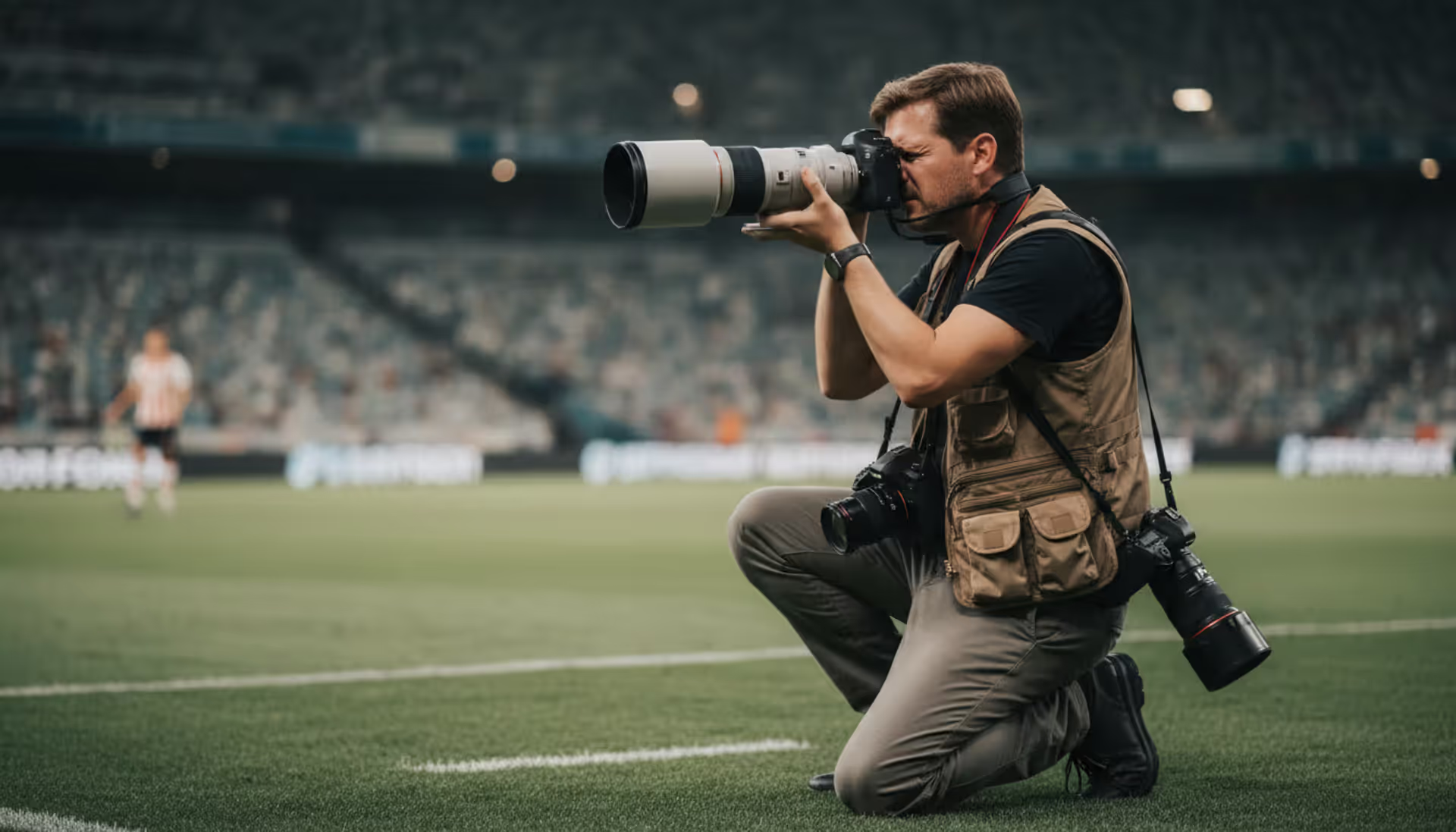
ports photography captures athletes in motion, freezing split-second moments that tell stories of competition and achievement. This specialized field demands technical precision, anticipation skills, and athletic understanding that separates it from other photography genres
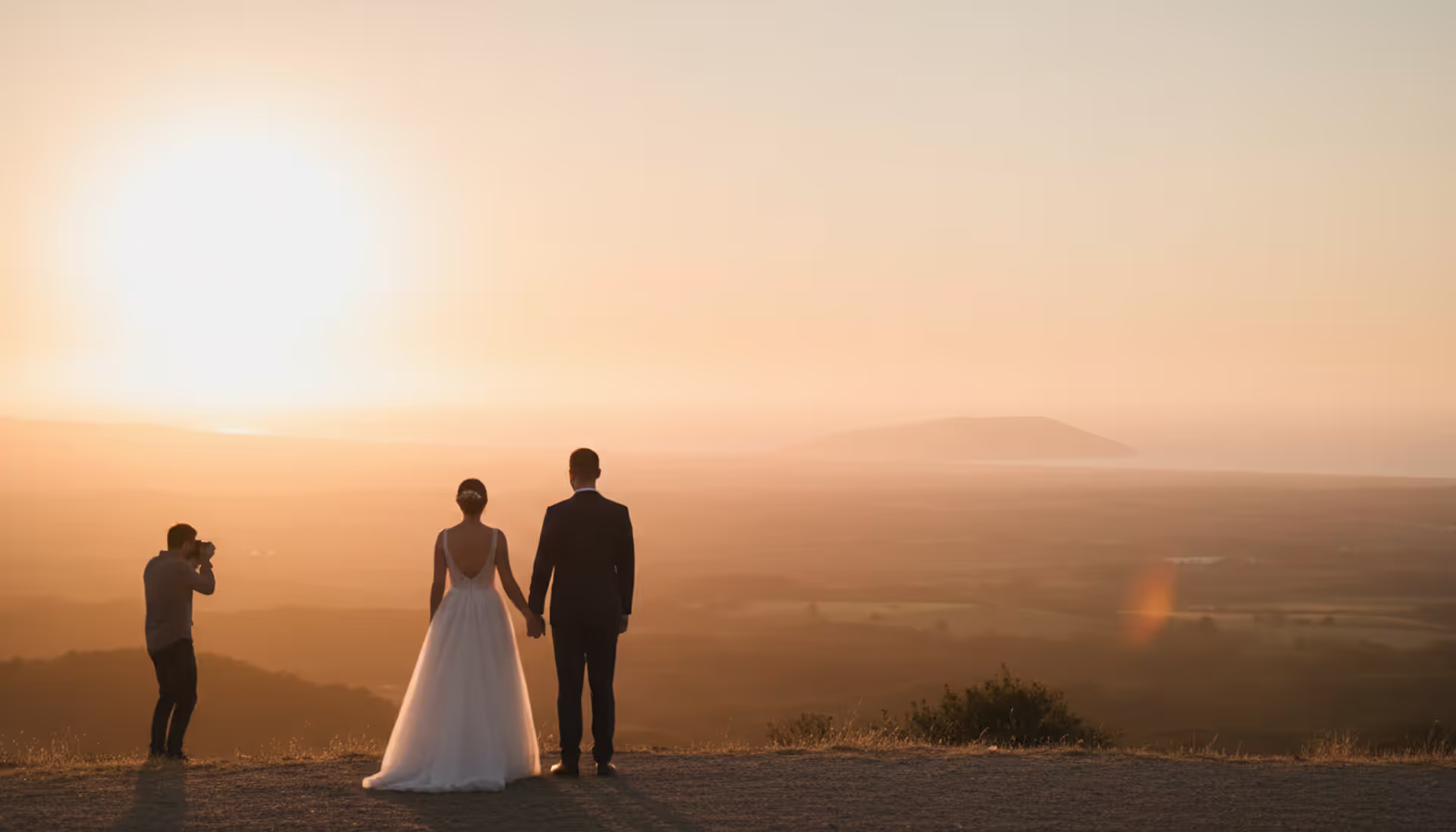
Wedding photography styles define how your celebration gets captured and remembered. From traditional posed portraits to candid documentary coverage, fine art aesthetics to editorial drama, understanding these approaches helps you find a photographer whose vision matches yours and ensures your images reflect your authentic story
Traditional portrait photography creates polished, timeless images through controlled lighting, deliberate posing, and classic composition. Learn what defines this formal approach, how it differs from modern styles, what to expect during sessions, and how to prepare for studio, senior, children's, and couple portraits
Professional real estate photography increases property views by 118% and reduces time on market by 32%. Choosing the right photographer requires understanding service types, evaluating portfolios, verifying credentials, and recognizing common hiring mistakes that cost sellers thousands
The content on this website is provided for general informational and educational purposes only. It is intended to explain concepts related to running a photography business, insurance coverage, marketing, websites, and professional development.
All information on this website, including articles, guides, and examples, is presented for general educational purposes. Outcomes may vary depending on business size, location, and individual choices.
This website does not provide professional legal, insurance, financial, or business advice, and the information presented should not be used as a substitute for consultation with qualified professionals.
The website and its authors are not responsible for any errors or omissions, or for any outcomes resulting from decisions made based on the information provided on this website.