Getting into photography today is easier than ever—almost too easy. Walk into any coffee shop and you'll see a dozen people with cameras worth more than their laptops. The real question isn't whether you can afford a camera (you probably already own a smartphone that shoots better than professional equipment from 15 years ago), but rather: who's going to teach you what all those buttons actually do?
I've watched countless people buy $2,000 cameras, shoot in auto mode for six months, then sell everything on Craigslist because they "just weren't creative enough." The camera wasn't the problem. They needed a teacher, not better gear.
So where do you actually learn this stuff? Let's cut through the noise and look at what actually works.
Online Photography Courses and Platforms
Digital learning platforms changed everything about photography education. Ten years ago, your options were "find a local class" or "buy a book and figure it out." Now you've got instructors from around the world teaching everything from basic exposure to commercial studio lighting.
Udemy runs constant sales—courses that list for $199 regularly drop to $12.99. I've never paid more than twenty bucks for a Udemy course, and neither should you. "Photography Masterclass: A Complete Guide to Photography" by Phil Ebiner covers 20+ hours of material spanning the exposure triangle through Lightroom editing. The catch? Literally anyone can upload a course. Some are taught by working professionals. Others are taught by people who learned photography three months before recording their course. Read recent reviews (not just star ratings) and check the instructor's credentials before buying.
Skillshare charges around $32 monthly for unlimited access. Their photography section features shorter classes—most run 15 to 45 minutes—perfect when you need to learn one specific thing. Want to understand off-camera flash? There's a 30-minute class. Need help with food photography styling? Another 40 minutes. I find Skillshare works better than Udemy if you're the type who gets bored sitting through eight-hour courses. Plus, the subscription model means you'll probably explore other creative skills (graphic design, video editing) once you're paying anyway.
Coursera partners with actual universities. Their photography courses come from schools like Michigan State, which means more academic rigor and less "hey guys, welcome back to my channel" energy. LinkedIn Learning (which absorbed Lynda.com back in 2017) costs about $40 monthly but comes free with LinkedIn Premium. The instructors are typically industry veterans teaching commercial photography workflows they use in actual client work.
YouTube deserves its own paragraph because it's completely free and sometimes better than paid options. Peter McKinnon makes learning f-stops somehow entertaining. Mango Street (Rachel and Dan) teach real-world portrait and lifestyle techniques. The Art of Photography with Ted Forbes goes deep on photographic theory and history. The downside? YouTube lacks structure. You'll watch a video about long exposure, then the algorithm suggests lens reviews, then you're watching camera gear rants, and suddenly it's 2am and you haven't touched your camera.
Here's my take: Start with YouTube to see if photography actually interests you beyond the idea of photography. If you're still excited after two weeks of free tutorials, grab one comprehensive Udemy course during a sale (wait for the $12.99 price). Skip Skillshare unless you're already interested in multiple creative skills.
Every image you've studied, every book that shaped your thinking, every song that moved you, every person who mattered. He was right. Photography is less about camera settings and more about training your eye to see what others miss
— Sarah Petty
Local Photography Classes and Workshops
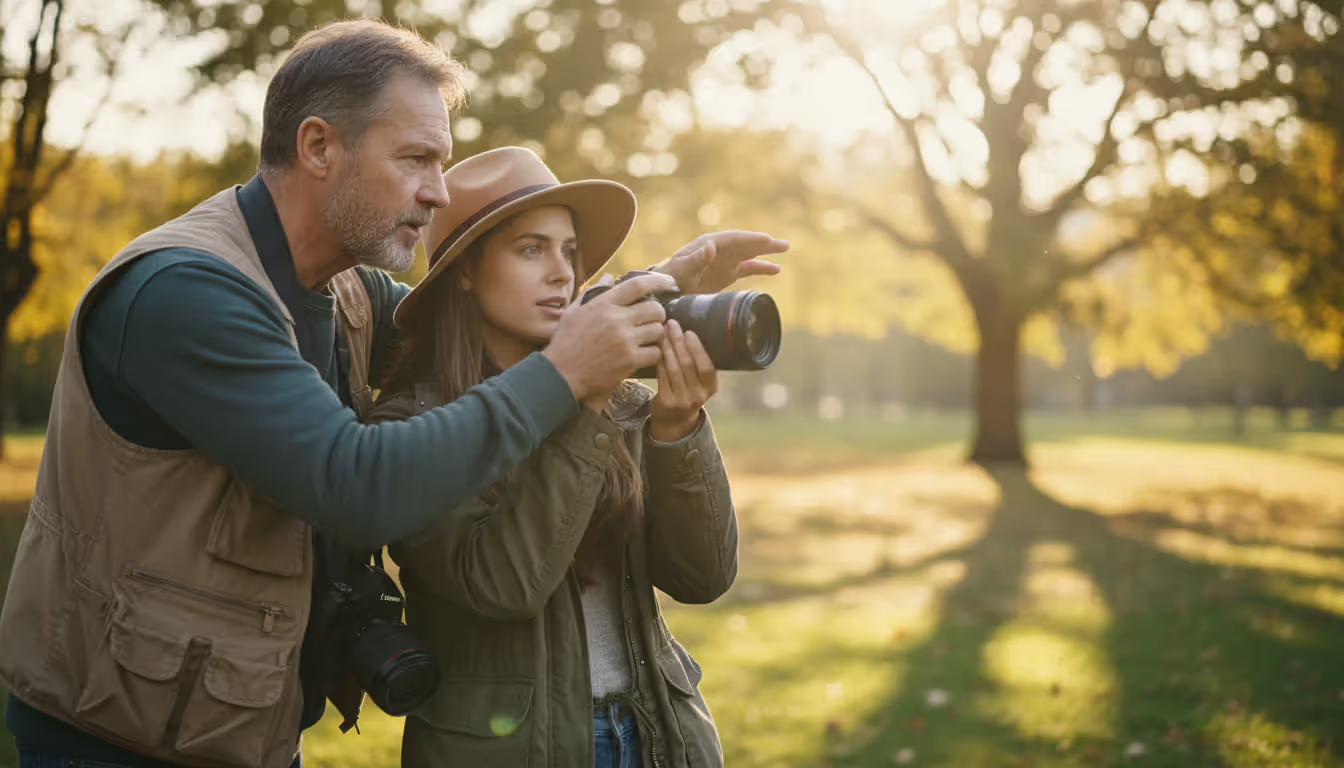
Face-to-face instruction still beats online learning in specific ways. An instructor can literally adjust your camera settings while you're shooting. You can't replicate that watching a screen.
Community colleges offer semester-long photography courses for $200-$600 depending on your state. That's 12 to 16 weeks of instruction, typically including darkroom access (yes, film is back), studio time, and equipment you can borrow. I took my first photography course at a community college in 2009 for $340. The instructor was a commercial photographer who shot for local ad agencies. His technical knowledge crushed anything I'd found online. Evening sections work around day jobs.
Adult education programs run through city recreation departments or libraries cost less and demand less. Expect 4 to 8 week courses focused on specific topics—iPhone photography, basic portraiture, nature photography. Prices run $80 to $300. The atmosphere is casual. Nobody's grading your homework. These courses attract people who want to improve their vacation photos, not build portfolios for art school applications.
Camera stores host free workshops when launching new equipment. I've attended probably 20 of these over the years. Are they sales pitches? Sure. Are they also useful? Absolutely. Store employees know the technical specs of every camera and lens inside out. You'll learn what different focal lengths actually look like, how autofocus systems compare, what image stabilization does. Just resist buying anything the same day you attend. Sleep on it.
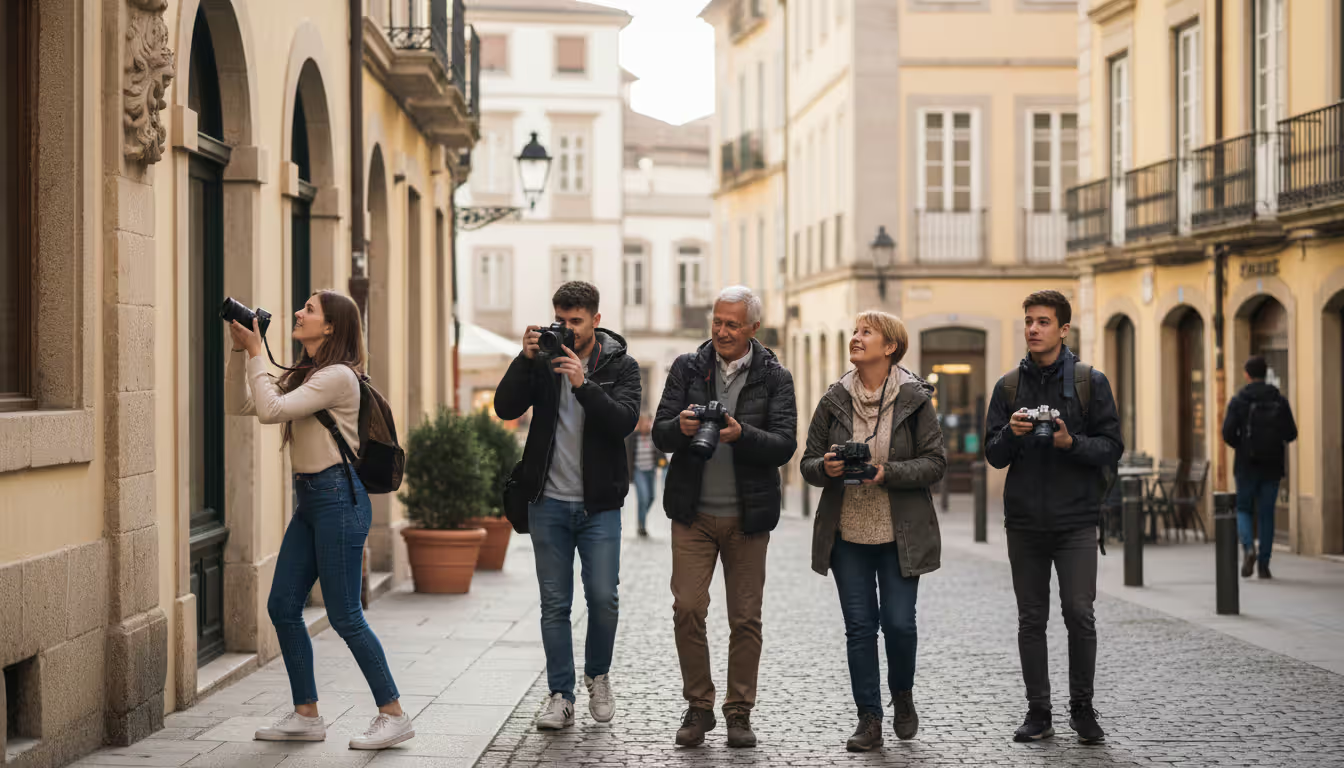
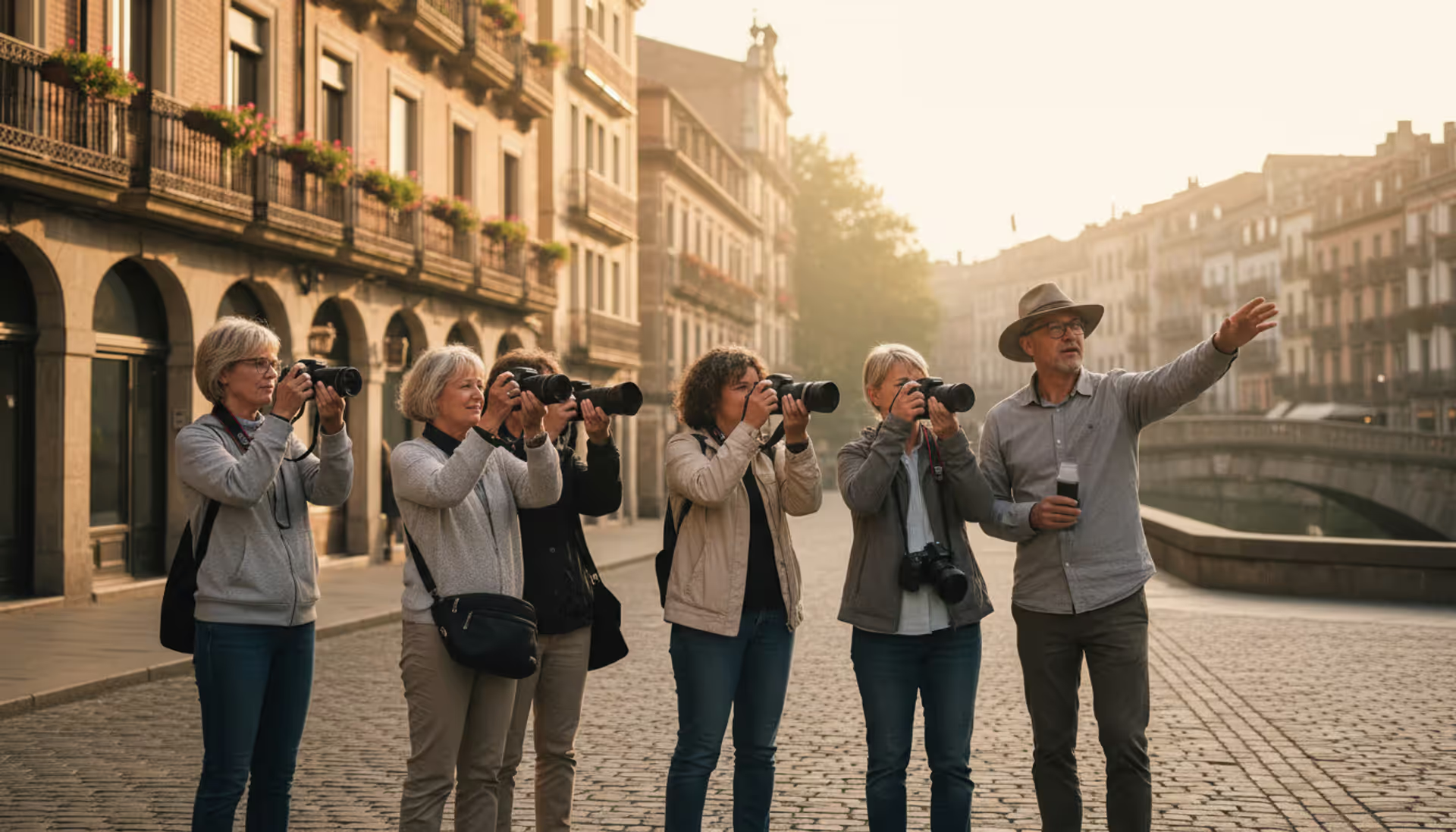
Photo walks through Meetup.com or local photography clubs cost nothing. You'll shoot alongside people ranging from complete beginners to semi-professionals. The experienced photographers share techniques in real-time as situations arise. I learned more about street photography during three Saturday morning photo walks than I did from a month of online tutorials. Plus, the social pressure to show up and shoot beats trying to motivate yourself alone.
Author: Olivia Wrenford;
Source: maryelizabethphoto.com
One option most people miss: city photography centers and art museums sometimes host weekend workshops ($150-$400 for one or two full days) taught by artists whose work actually hangs in galleries. These aren't casual classes. Participants take photography seriously, which pushes your work in ways beginner courses don't.
Self-Learning Photography at Home
Teaching yourself photography requires discipline most people overestimate having. But it's completely viable if you're honest about your follow-through abilities.
YouTube channels work when you treat them like textbooks, not entertainment. Subscribe to maybe five channels max—more than that creates contradictory advice and confusion. The Slanted Lens teaches commercial lighting setups used in actual advertising work. Thomas Heaton walks through his entire landscape photography process from scouting locations to printing final images. Pick channels that match your interests rather than whatever the algorithm recommends.
Photography blogs like Digital Photography School, PetaPixel, and Fstoppers publish new articles daily. Too much content actually becomes a problem—you can read photography articles forever without improving. Better strategy: bookmark one solid article, then spend the next week shooting specifically to practice that technique. I once read a single article about using window light for portraits and shot nothing but window-lit portraits for three weeks. That one article improved my work more than reading 50 articles that month would have.
eBooks provide systematic instruction that blog posts can't match. Bryan Peterson's "Understanding Exposure" has taught the exposure triangle to probably a million photographers since 2004. Michael Freeman's "The Photographer's Eye" breaks down composition in ways that actually stick. Both cost $15-$30 as ebooks. Read one book thoroughly and practice every exercise instead of skimming five books.
Practice exercises separate people who improve from people who stay stuck. Try shooting the same object—a houseplant, your coffee maker, whatever—50 different ways. After 20 shots you'll think you've exhausted the possibilities. You haven't. Push to 50. Or commit to Project 365: one photo every day for a year. These challenges force you past your comfortable habits into actual growth.
Analyzing master photographers builds your visual vocabulary faster than tutorials. Spend 30 minutes weekly studying work from photographers whose style you want—Steve McCurry's color palette, Annie Leibovitz's environmental portraits, contemporary Instagram photographers doing work you wish you'd created. Ask specific questions: Where was the light? What aperture created that background blur? Why compose it with that much negative space? You're reverse-engineering their decisions.
Author: Olivia Wrenford;
Source: maryelizabethphoto.com
The biggest self-teaching trap? Collecting resources instead of using them. Your folder of saved YouTube videos doesn't make you better. Repetitive practice does.
Photography Degree Programs and Certifications
Formal education makes sense for maybe 10% of people learning photography. Figure out if you're in that 10% before spending college tuition money.
Bachelor's degrees in photography from schools like Rochester Institute of Technology or School of Visual Arts run $40,000 to $150,000+ for four years. You get comprehensive training across technique, art history, business, and portfolio development. Equipment access alone—medium format cameras, professional lighting, color-calibrated monitors, darkroom facilities—would cost $50,000+ to build yourself. Plus faculty connections to working professionals.
When does this make sense? You're 18-22 years old and heading to college anyway. You want to teach photography at universities someday (most require MFA degrees). You're pursuing photojournalism or museum photography where institutions care about credentials. You're rich enough that the cost doesn't matter. For everyone else—especially career changers and hobbyists—the math rarely works.
Associate degrees from community colleges cost $10,000-$30,000 for two years. You'll build solid technical skills and a starter portfolio at maybe one-fourth the price of university programs. Some photographers complete associate degrees, work professionally for five years, then return for bachelor's degrees if they want to teach or need the credential.
Professional certifications through Professional Photographers of America (PPA) run $200-$500 plus annual dues. These signal competence to potential clients in specific markets—wedding and portrait photographers benefit most. Fine art photographers rarely need certifications. Commercial photographers occasionally pursue them. Honestly? Your portfolio matters 100 times more than letters after your name.
Online degree programs from places like New York Institute of Photography offer flexibility for people with day jobs. Certificate programs cost $3,000-$15,000, full degrees run $20,000+. Verify accreditation through the Distance Education Accrediting Commission before enrolling. Plenty of diploma mills will happily take your money for worthless credentials.
Here's the uncomfortable truth: most successful working photographers never got photography degrees. They learned through workshops, assisting other photographers, and shooting constantly. A killer portfolio beats a diploma when clients are hiring. Pay for formal education if you genuinely value structured learning and can afford it without debt. Don't assume it's required for professional work.
Learning Through Photography Communities and Mentorship
Photography improves faster when you learn alongside other people. Communities provide feedback, accountability, inspiration, and reality checks that solo learning can't match.
Reddit communities like r/photography, r/photoclass2026, and r/photocritique offer free feedback from thousands of photographers at every skill level. Post your work with specific questions. "How can I improve this portrait?" gets better responses than "What do you think?" Participate in weekly challenges. The anonymity helps if sharing early work makes you nervous, though feedback quality varies wildly—trust advice from users who post their own strong work, ignore drive-by criticism.
Photography clubs exist in most cities with populations over 50,000. Google "[your city] camera club" to find groups meeting monthly for critiques, guest speakers, and group shoots. Annual membership typically costs $30-$100. The demographic skews older—many members learned on film cameras and remember fundamentals that digital shooters skip. That experience is valuable even if you never shoot film yourself.
Instagram communities built around hashtags like #portraitphotography or #landscapecaptures let you study current trends and connect with photographers worldwide. Messaging photographers you admire sometimes leads to informal mentorship. Be respectful about it—leave thoughtful comments on their work before sliding into DMs asking how they lit a shot. Many working photographers ignore generic "how'd you do this?" messages but will help people who clearly appreciate their work.
Finding a mentor accelerates learning more than any course or book. Look for working photographers in your area shooting what you want to learn. Email offering to assist on shoots for free—you'll carry gear, manage light modifiers, handle administrative tasks. Professional photographers often appreciate help and will teach in exchange for labor. This old-school apprenticeship model trained photographers for generations before photography schools existed.
Portfolio critique services through professional organizations or photography schools cost $50-$200 for detailed written feedback or $100-$300 for video reviews. That investment makes sense once you've built a body of work but feel stuck. Not before—beginners need practice more than critiques.
Online forums like Photography-on-the.net or Fred Miranda forums feel outdated compared to Instagram, but the technical knowledge runs deeper. Long-time members have 20+ years of experience and will write 500-word answers to specific questions. Forums reward thoughtful participation—lurking and asking basic questions answered in FAQs gets ignored.
The pattern successful photographers follow: consume content widely but build deeper relationships with a handful of mentors and peers who understand your work and push you forward.
Author: Olivia Wrenford;
Source: maryelizabethphoto.com
How to Choose the Right Learning Path for You
Your ideal learning path depends on four factors: what you want to accomplish, how much you can spend, how much time you actually have, and how you naturally learn best.
Define specific goals. "Get better at photography" is too vague. Do you want to shoot better family photos during vacations? Launch a wedding photography business? Create fine art for gallery exhibitions? Shoot professionally for magazines? Different goals need different preparation. Hobbyists can thrive through self-study and occasional workshops. Professionals need business training, portfolio development, and industry connections that structured programs provide better.
Budget realistically. Photography education ranges from zero dollars (YouTube, library books, free photo walks) to $100,000+ (university degrees). Most beginners should start with low-cost options—a single $20 Udemy course or free community college workshop—before spending thousands. You can always invest more later. You can't recover money wasted on expensive courses purchased before you understood what you needed.
Time commitment matters more than people admit. College courses demand 15-20 hours weekly including homework and practice time. Online courses let you work at your own pace but require self-discipline to actually finish them (most people don't). In-person workshops consume entire weekends. Self-study fits irregular schedules but progresses slowly without external structure. Match learning methods to your actual available time, not the time you wish you had.
Learning style influences success more than content quality. Visual learners crush video tutorials and in-person demonstrations. Reading-oriented people prefer books and written guides. Social learners need classes and communities or they'll quit. Kinesthetic learners must shoot constantly—they learn by doing, not watching. Most people combine multiple styles, but knowing your dominant preference helps choose effective resources.
Learning Method
Cost Range
Time Commitment
Best For
Pros
Cons
Online courses
Free–$200
Self-paced, 2-5 hrs/week
Self-disciplined learners with irregular schedules
Immediate instructor feedback, equipment access, built-in practice schedule
Fixed meeting times, limited depth on specific topics
Self-study
Free–$100
Completely flexible, 3-10 hrs/week
Highly disciplined individuals on tight budgets
Maximum scheduling flexibility, lowest possible cost
Easy to lose direction, no feedback loop
Degree programs
$10,000–$150,000
15-20 hrs/week, 2-4 years
Aspiring career photographers, recent high school graduates
Comprehensive training, professional credentials, industry connections
Extremely expensive, massive time investment, often unnecessary
Community learning
Free–$400
Variable, 1-5 hrs/week
Social learners seeking regular feedback
Free or cheap, real-world shooting practice, natural motivation
Inconsistent instruction quality, requires initiative to organize
Consider combining multiple methods. Many successful photographers start with free resources to learn absolute basics, invest in one comprehensive online course for structured curriculum, join a local club for feedback and motivation, then take specialized workshops to master specific techniques they need professionally.
Common Mistakes When Learning Photography
Knowing what to avoid saves months of frustration and hundreds (sometimes thousands) of dollars.
Gear obsession before skill development is the number one mistake. Beginners convince themselves a $3,000 full-frame camera will make them better photographers when they haven't mastered their current equipment. Professional photographers regularly create stunning images with entry-level gear. Master exposure, composition, and lighting with whatever camera you own right now before upgrading. Simple rule: if you can't explain exactly how specific gear will solve a current creative limitation, you don't need it yet.
Skipping fundamentals to learn advanced techniques creates weak foundations that eventually collapse. You can't effectively use Photoshop if you don't understand exposure well enough to capture good raw files. Learning dramatic five-light portrait setups doesn't help when your composition is weak. Spend your first three months mastering the exposure triangle (aperture, shutter speed, ISO), basic composition principles, and understanding light direction and quality. Everything else builds on these basics.
Not practicing enough between learning sessions is shockingly common. Watching ten hours of tutorials without shooting makes you a photography expert in theory only. Apply each new concept through deliberate practice before moving to the next topic. Shoot 100 photos using only aperture priority mode before attempting full manual exposure. Take 50 portraits focusing only on catchlights in eyes before adding reflectors. Repetition builds muscle memory and visual intuition that lectures can't create.
Avoiding feedback keeps you trapped in comfortable mediocrity. Sharing work feels vulnerable, especially when starting out, but improvement demands outside perspective. Your own eyes can't spot your habitual mistakes—you literally can't recognize patterns you unconsciously repeat. Join communities, actively ask for critiques, and—this is crucial—implement suggested changes rather than defending your artistic choices. The photographers who improve fastest actively seek criticism from people better than them.
Tutorial hopping creates an illusion of progress without actual skill development. Watching a different YouTube video daily feels productive but builds knowledge without competence. Far better to follow one comprehensive course completely, practicing each lesson thoroughly, than sampling dozens of resources superficially. Going deep with limited resources beats going shallow with unlimited resources when building foundational skills.
Comparing your beginning to someone else's middle destroys motivation faster than anything. Instagram and YouTube showcase polished final results while hiding the years of practice behind them. That photographer with 50,000 Instagram followers likely spent a decade developing their skills. Measure your progress against your own work from six months ago, not against other people's carefully curated highlight reels.
Neglecting business skills if you plan to go professional. Technical photography skills don't automatically translate to paying clients. You need to learn pricing strategy, contracts, marketing, client communication, and basic accounting alongside camera operation. Plenty of talented photographers fail as businesses because they ignored these "boring" aspects until it was too late.
Frequently Asked Questions
Can I learn photography without a professional camera?
Yes, completely. Smartphone cameras in 2026 rival entry-level DSLRs from 2015. Current iPhone and Samsung flagship phones shoot RAW files, offer manual controls for exposure, and produce images suitable for social media, websites, and small prints. Start with your phone to learn composition, lighting direction, and visual storytelling. When you consistently bump against your phone's technical limitations—poor low-light performance, inability to create shallow depth of field, lack of telephoto reach—you'll know exactly what camera features you actually need. Plenty of professional photographers run successful Instagram accounts shot entirely on phones.
How long does it take to learn photography basics?
Most people grasp fundamental concepts—the exposure triangle, basic compositional guidelines, how to operate their camera—within 2-3 months of consistent practice (shooting at least 2-3 times weekly). Becoming competent enough to shoot confidently in manual mode and create intentional images typically takes 6-12 months. Reaching professional-level technical skills requires 2-5 years of deliberate practice depending on how frequently you shoot and how actively you seek feedback. Photography has a gentle learning curve initially, then plateaus that demand focused effort to overcome. Don't rush the process—learning is half the enjoyment.
Are free online photography tutorials enough for beginners?
For many hobbyists, absolutely. YouTube, photography blogs, and free online courses provide more information than most people can implement. The challenge isn't accessing information—it's curating quality resources and maintaining enough discipline to practice consistently. Free tutorials work best when you're naturally self-motivated and comfortable structuring your own curriculum. If you struggle with follow-through or feel overwhelmed by unlimited options, investing $20-$50 in one structured course with clear sequential progression often produces better results than consuming endless free content.
Do I need a photography degree to become a professional photographer?
No. The photography industry values portfolio quality over credentials in most sectors. Wedding photographers, commercial photographers, and photojournalists succeed based on their work and client relationships, not degrees. That said, formal education provides structured learning, expensive equipment access, industry connections, and dedicated time to develop your portfolio—advantages that can accelerate professional development. Consider degrees if you want to teach photography at universities (most require MFA degrees), work in museum or gallery settings, or highly value the traditional college experience. Otherwise, invest degree-level money in quality equipment, advanced workshops, and marketing your business instead.
What's the best way to learn photography on a budget?
Start exclusively with free resources: YouTube tutorials, photography blogs, books from your library, and your existing phone or camera. Join free local photography meetups through Meetup.com and online communities like Reddit's r/photoclass2026. When ready to invest money, buy one comprehensive online course during a sale (Udemy courses regularly drop to $12.99-$19.99). Practice constantly—shooting costs nothing with digital photography beyond time. Analyze work from master photographers to understand their techniques without paying for instruction. This approach can take you from absolute beginner to advanced amateur for under $100 total. Always spend money on learning before spending on camera gear upgrades.
Should I learn photography online or in person?
Combine both if your schedule and budget allow it. Online learning offers unmatched flexibility and affordability—perfect for technical concepts you can learn at your own pace. In-person classes provide hands-on feedback, equipment access, and accountability that accelerates learning for most people. Start online to build basic knowledge affordably, then take occasional in-person workshops to receive personalized critique and learn advanced techniques that benefit from live demonstration. If you must choose only one approach, consider your natural learning style: self-motivated visual learners typically succeed online, while people who need structure and social interaction benefit more from in-person instruction.
The real question isn't "where to learn photography"—it's "which combination of resources matches my actual goals, realistic budget, and honest learning style." Photography education has never been more accessible. You can become genuinely skilled spending nothing but time, or invest $100,000 in formal education. Both paths have produced successful photographers. Neither guarantees anything.
Start by clarifying what you actually want. Someone wanting better vacation photos has completely different needs than someone building a wedding photography business. Match your learning investment to your actual ambition, not fantasy ambition.
Begin with low-cost options—YouTube tutorials, one solid online course, local photo walks—before committing to expensive programs. You'll discover whether photography sustains your interest beyond the romantic idea of being a photographer and which specific aspects you want to explore deeper.
Photography learning never ends, even for professionals. Working photographers continuously study new techniques, experiment with different genres, and seek fresh creative perspectives. Photographers who thrive long-term treat learning as an ongoing practice rather than a destination to reach.
Pick one specific learning path from this guide and start today. Not Monday. Not after buying a better camera. Not when your schedule clears up. Grab whatever camera you currently own, choose one free YouTube tutorial, and shoot 20 photos practicing that single technique. Every photographic journey begins this way—one deliberate step forward.
The images you'll create a year from now, looking back at today's decision to start learning seriously, will surprise you. But only if you actually start.
Finding the right photography workshop can transform your skills faster than solo practice. Learn what makes quality hands-on training, compare workshop types, and discover how to find local programs that match your skill level and goals
Selecting the right online photography program means balancing career goals, budget, and learning style. With options from weekend workshops to four-year degrees, you need to evaluate accreditation, instructor expertise, technical requirements, and program structure before enrolling
Selecting the right photography education shapes your career trajectory. Learn how to evaluate programs based on curriculum, format, accreditation, cost, and equipment access. Compare traditional vs online photography schools, understand financial aid options, and avoid common mistakes when choosing your program
Choosing a photography major shapes your career trajectory and creative identity. This comprehensive guide covers degree types, program comparisons, specializations from sports to fine art photography, career paths with salary expectations, and admission requirements to help you select the right school
The content on this website is provided for general informational and educational purposes only. It is intended to explain concepts related to running a photography business, insurance coverage, marketing, websites, and professional development.
All information on this website, including articles, guides, and examples, is presented for general educational purposes. Outcomes may vary depending on business size, location, and individual choices.
This website does not provide professional legal, insurance, financial, or business advice, and the information presented should not be used as a substitute for consultation with qualified professionals.
The website and its authors are not responsible for any errors or omissions, or for any outcomes resulting from decisions made based on the information provided on this website.