Photography careers span a massive income spectrum. Some photographers struggle to earn minimum wage while others pull in six figures annually. Understanding these earnings requires looking beyond simple averages to examine how experience, specialty, business model, and market positioning create vastly different financial outcomes.
The Bureau of Labor Statistics reports a median annual wage of $42,770 for photographers, but this figure obscures more than it reveals. A wedding photographer booking 30 events yearly at $4,000 each grosses $120,000, while a retail portrait photographer might earn $32,000 working full-time hours. Geographic location, client base, and business acumen matter as much as technical skill.
Average Photographer Salaries by Experience Level
Entry-level photographers typically earn between $28,000 and $38,000 annually when working salaried positions. Those starting their own businesses often make even less initially, sometimes operating at a loss for the first year while building their client base and portfolio. Many supplement photography income with other work during this phase.
Mid-career photographers with three to seven years of experience see incomes ranging from $45,000 to $75,000. At this stage, photographers have usually identified their niche, developed a repeatable workflow, and built enough reputation to command higher rates. They've also learned which services generate the best profit margins versus which consume time without adequate compensation.
Established photographers with a decade or more of experience often earn $80,000 to $150,000, with top performers in lucrative niches exceeding $200,000. These photographers benefit from word-of-mouth referrals, can be selective about projects, and have streamlined their operations to maximize profitability. They've typically raised rates multiple times and shed lower-paying work.
Several factors separate income levels beyond mere time in business. Photographers who treat their work as a business—tracking metrics, calculating true costs, and adjusting pricing accordingly—consistently out-earn those with superior technical skills but poor business practices. A photographer charging $150 per session who books 200 sessions yearly earns $30,000 gross, but one charging $500 for 100 sessions also earns $50,000 while working fewer dates.
Author: Olivia Wrenford;
Source: maryelizabethphoto.com
Geographic location creates dramatic income variations. A commercial photographer in New York City might charge $3,500 for a half-day shoot that would command $1,200 in a small Midwestern city. However, overhead costs in major markets consume a larger percentage of revenue, somewhat narrowing the actual take-home difference.
Photography Income by Specialty and Niche
Different photography specialties generate vastly different income potential and stability. Some niches offer high per-project rates but inconsistent work flow, while others provide steady income at lower margins.
Wedding and Elopement Photography Earnings
Wedding photographers represent one of the highest-earning specialties. Successful wedding photographers typically earn between $60,000 and $120,000 annually, with elite photographers in major markets exceeding $200,000. Most wedding photographers shoot 20 to 40 weddings per year, with average package prices ranging from $2,500 to $6,000.
The math reveals why wedding photography attracts many professionals: a photographer charging $3,500 per wedding who shoots 35 weddings generates $122,500 in gross revenue. However, this specialty demands weekend work, carries high stress levels, and concentrates income into specific seasons in many regions.
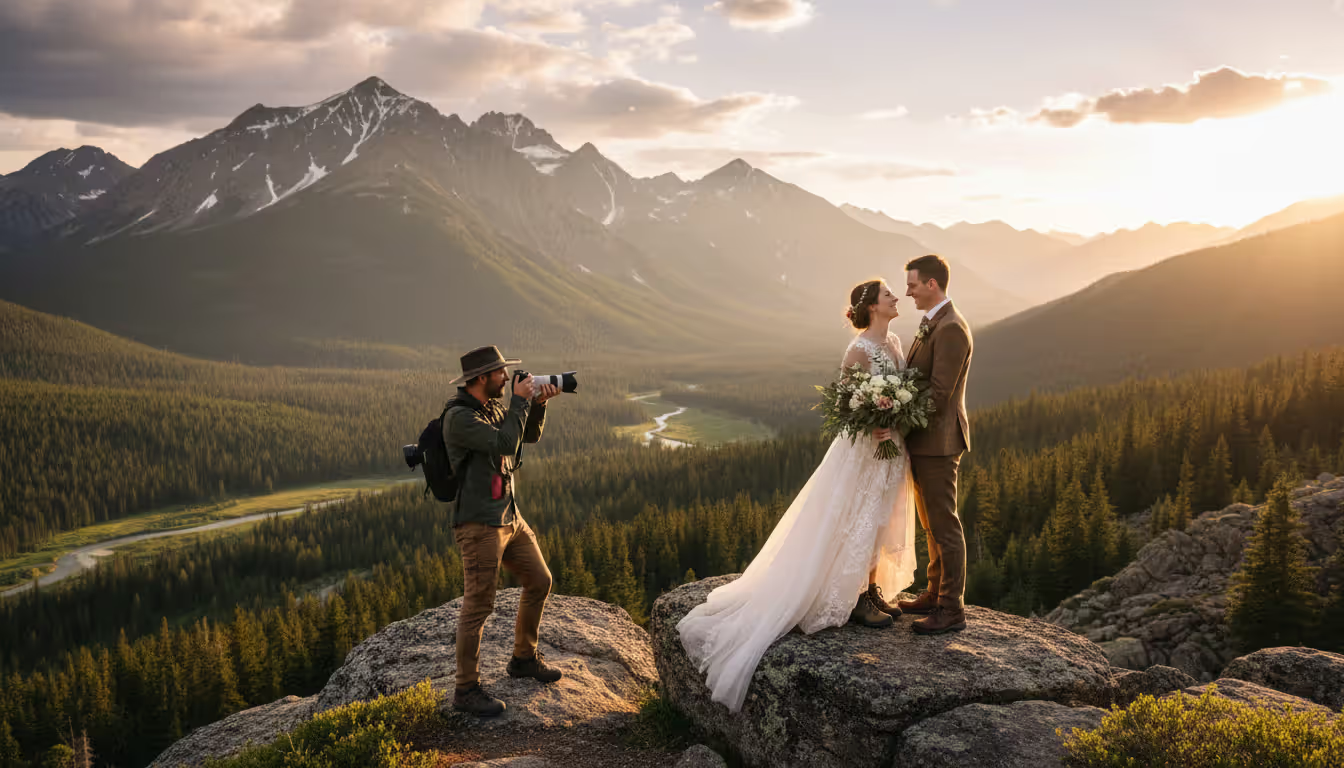
Elopement photography has emerged as a distinct niche with different economics. Elopement photographers often charge $1,500 to $3,500 per booking, less than traditional weddings but requiring fewer hours and simpler logistics. Some elopement specialists shoot 60 to 80 events yearly by offering streamlined packages, creating comparable or better annual income than traditional wedding photographers while maintaining better work-life balance.
The wedding photography income ceiling depends heavily on market positioning. Photographers competing primarily on price might shoot 50 weddings at $2,000 each for $100,000 gross revenue but face exhaustion and high costs. Those positioned as luxury providers might shoot 25 weddings at $8,000 each, generating $200,000 with half the workload.
Commercial and Corporate Photography Income
Commercial photographers serving business clients typically earn $65,000 to $150,000 annually, with specialists in advertising or major corporate accounts sometimes exceeding $250,000. Day rates for commercial work range from $1,500 to $5,000, depending on usage rights, photographer reputation, and project scope.
This specialty requires different skills than event photography. Commercial photographers must understand licensing, handle art directors and creative teams, and often work with assistants and specialized equipment. Projects might span multiple days, and clients expect professional reliability over artistic vision in many cases.
Author: Olivia Wrenford;
Source: maryelizabethphoto.com
Corporate headshot and branding photography represents a middle ground, with photographers charging $150 to $500 per person for headshots or $2,000 to $8,000 for comprehensive branding sessions. Photographers who develop relationships with corporations and photograph entire teams create recurring revenue streams.
Product photography for e-commerce has grown substantially. Photographers might charge $25 to $150 per product image, with volume discounts for large catalogs. A product photographer processing 30 items daily at $50 per image generates $1,500 daily or roughly $350,000 annually at full capacity, though finding consistent work at that volume proves challenging.
Portrait and Family Photography Revenue
Portrait photographers show the widest income variation, from $25,000 to $100,000 annually. Session fees range from $150 to $800, with print and digital sales adding significant revenue. The business model matters enormously—photographers relying on session fees alone struggle compared to those who excel at selling prints, albums, and wall art.
Traditional portrait studios using the print-sales model might charge $200 for a session but generate $1,500 in total sales per client through prints and products. Modern photographers often use a "shoot and share" model, charging $500 to $1,200 for sessions including digital files, trading higher upfront fees for simpler sales processes.
Family photographers typically shoot 80 to 150 sessions yearly. At $600 per session and 120 annual sessions, gross revenue reaches $72,000. Subtracting 30% for business expenses leaves roughly $50,000, explaining why many portrait photographers maintain this as supplementary rather than primary income.
Senior portrait photography offers seasonal concentrated income. Photographers might shoot 100 seniors over three months at $400 to $800 per session, generating $50,000 to $80,000 in a quarter but facing slower periods the rest of the year.
How Much Photographers Charge Clients for Services
Client-facing rates differ substantially from photographer take-home income. A photographer charging $3,000 for a wedding doesn't pocket that full amount. Business expenses typically consume 25% to 40% of gross revenue, including equipment, insurance, software subscriptions, marketing, and administrative costs.
Understanding this relationship helps explain why photographers charge rates that sometimes surprise clients. A $200 portrait session might break down to $60 for the photographer's time editing, $40 for equipment and software costs, $20 for marketing to acquire that client, and $80 actual profit. The photographer effectively earns $40 per hour for a two-hour session plus editing time.
Photographers must also account for non-billable time. For every hour shooting, most spend one to three hours on editing, client communication, marketing, and business administration. A wedding photographer might spend eight hours on the wedding day but 20 additional hours on editing, albums, and client management, making the effective hourly rate far lower than it initially appears.
Seasonal businesses face additional complications. Wedding photographers might earn 70% of annual revenue between May and October, requiring them to budget carefully and charge rates that account for slower winter months.
Photography Pricing by Service Type
Service Type
Price Range
What's Included
Typical Duration
Full Wedding Coverage
$2,500 - $8,000
8-10 hours coverage, edited digital gallery, engagement session
Full day + 20-40 hours editing
Elopement Photography
$1,500 - $3,500
2-4 hours coverage, edited gallery
Half day + 10-15 hours editing
Family Portrait Session
$300 - $800
1-hour session, 40-60 edited images
1 hour + 3-5 hours editing
Corporate Headshots
$150 - $500 per person
Professional headshot, basic retouching, digital file
15-30 minutes per person
Commercial Day Rate
$1,500 - $5,000
8-hour shoot day, basic editing, limited usage rights
Wedding photography packages typically start around $2,500 for basic coverage in smaller markets and reach $8,000 or more in major metropolitan areas or for experienced photographers. Mid-range packages averaging $3,500 to $5,000 represent the most common price point.
Basic packages usually include eight hours of coverage and a digital gallery of edited images. Mid-tier packages often add engagement sessions, second photographers, and albums. Premium packages might include multiple photographers, rehearsal dinner coverage, custom albums, and parent albums.
The second photographer addition typically costs $500 to $1,000 extra but provides valuable coverage of simultaneous moments. Albums add $300 to $1,500 depending on size and quality. Some photographers bundle these items, while others offer à la carte pricing.
Destination wedding photography commands premium rates, often 150% to 200% of local pricing, plus travel expenses. A photographer charging $4,000 locally might quote $7,000 for a destination event, compensating for travel time and the inability to book local work those dates.
Elopement Photography Pricing
Elopement photography costs range from $1,500 to $3,500, significantly less than traditional weddings but still representing substantial investment. The lower price reflects shorter coverage times—typically two to four hours versus eight to ten for weddings—and simpler logistics.
Many elopement photographers offer packages specifically designed for intimate ceremonies: two hours of coverage, a curated gallery of 100-150 images, and help with timeline planning. Some include location scouting or permit assistance for popular elopement destinations.
Author: Olivia Wrenford;
Source: maryelizabethphoto.com
Adventure elopement photography, involving hiking to remote locations or challenging conditions, often costs more than traditional elopements. Photographers might charge $2,500 to $4,500 for all-day adventure coverage in locations like national parks or mountain peaks, reflecting the physical demands and specialized skills required.
Weekday elopements sometimes cost less than weekend dates, with photographers offering $200 to $500 discounts for Monday through Thursday bookings. This helps photographers fill their calendars during traditionally slower periods.
Professional Photo Shoot Rates
Professional photo shoots vary enormously by type and purpose. A basic headshot session might cost $200 to $400 and last 30 minutes, while a comprehensive personal branding session could run $1,500 to $3,000 for multiple locations and outfit changes over several hours.
Corporate photography sessions for teams typically charge per person for headshots ($150 to $300 each) or day rates for environmental portraits and workplace photography ($1,500 to $3,500). Volume discounts usually apply when photographing entire companies.
Fashion and editorial shoots operate on day rates ranging from $1,000 to $5,000, depending on photographer experience and whether the work is for direct clients or through agencies. These rates often exclude usage rights, which are negotiated separately and can exceed the photography fee itself.
Product photography pricing depends heavily on complexity and volume. Simple white-background product shots might cost $25 to $75 per item, while styled lifestyle product photography runs $100 to $300 per final image. E-commerce clients shooting hundreds of products often negotiate package rates.
Factors That Affect Photography Income and Pricing
Geographic location creates the most obvious pricing differences. Manhattan photographers charge double or triple what photographers in rural areas command for identical services. A $6,000 wedding package in San Francisco might be $2,500 in Oklahoma City. However, New York photographers also face rent costs of $3,000 monthly for studio space that costs $800 in smaller cities.
Overhead expenses directly impact how much photographers actually earn from their rates. A photographer working from home with minimal equipment might keep 70% of gross revenue, while one maintaining a retail studio with employees might keep only 40%. Insurance, equipment maintenance, software subscriptions, marketing, and professional development all reduce take-home income.
Business model choices fundamentally alter income potential. Photographers selling prints and albums generate higher revenue per client but invest more time in sales. Those offering digital-only packages sacrifice per-client revenue for volume and efficiency. Neither approach is inherently superior—success depends on market fit and personal strengths.
Author: Olivia Wrenford;
Source: maryelizabethphoto.com
Equipment investment requirements vary by specialty. Wedding photographers might invest $15,000 to $30,000 in cameras, lenses, lighting, and backup gear. Product photographers need specialized lighting and tethering setups. Real estate photographers require wide-angle lenses and HDR processing software. These upfront costs must be recouped through pricing.
Marketing expenses significantly impact profitability. Photographers might spend 5% to 15% of revenue on advertising, website maintenance, portfolio development, and networking. Those relying on organic referrals minimize these costs but may limit growth. Others invest heavily in paid advertising, trading short-term profit for client acquisition.
Seasonality affects both income and pricing power. Wedding photographers in northern climates might shoot 80% of their weddings between May and October, creating feast-or-famine cash flow. Smart photographers charge rates that account for off-season months, effectively building their slower period costs into peak season pricing.
Self-Employed vs. Salaried Photographer Earnings
Salaried staff photographers typically earn $35,000 to $65,000 annually with benefits, working for newspapers, corporations, studios, or educational institutions. These positions offer stability, predictable hours, and benefits like health insurance and retirement contributions. However, income growth potential is limited, and creative control often belongs to employers.
Self-employed photographers face higher income variability but greater earning potential. A successful wedding photographer might gross $120,000 but net only $75,000 after expenses—still substantially more than most salaried positions. However, they must fund their own health insurance, retirement, and handle irregular income.
The trade-offs extend beyond money. Salaried photographers work regular hours and leave work at the office. Self-employed photographers often work evenings and weekends, handle administrative tasks, and manage the stress of client acquisition. Some photographers value the security of employment despite lower earning potential, while others accept uncertainty for autonomy and income upside.
Hybrid approaches exist. Some photographers maintain part-time employment for income stability and benefits while building photography businesses. Others work as contractors for multiple studios or agencies, gaining some flexibility while avoiding the full burden of business ownership.
Tax implications differ substantially. Self-employed photographers pay both employer and employee portions of Social Security and Medicare taxes (15.3% self-employment tax) but can deduct business expenses. Salaried photographers have simpler taxes but fewer deductions. A self-employed photographer earning $80,000 might have a similar after-tax, after-expense income as a salaried photographer earning $55,000 with benefits.
Most photographers dramatically underestimate their true costs of doing business. They calculate their time and maybe equipment, but forget to account for insurance, software, marketing, equipment replacement, and their own benefits. When you properly account for all costs, that $200 session fee might leave you with $60 in actual profit. Understanding your numbers isn't optional—it's the difference between a sustainable business and an expensive hobby
— Michael Chen
Frequently Asked Questions About Photographer Income and Costs
How much do beginner photographers make per year?
Beginner photographers working salaried positions typically earn $28,000 to $38,000 annually. Those starting their own businesses often make significantly less initially, sometimes $15,000 to $25,000 in their first year, as they build their portfolio and client base. Many new photographers maintain other income sources while establishing themselves. The first two years usually focus more on gaining experience and building reputation than maximizing income.
What is the highest-paying photography niche?
Commercial and advertising photography typically offers the highest earning potential, with established photographers earning $150,000 to $300,000 or more annually. High-end wedding photography in major markets also generates substantial income, with elite photographers charging $10,000 to $20,000 per wedding. However, these niches require significant experience, business acumen, and often specialized skills or connections. Fashion photography for major brands and architectural photography for luxury real estate developers also rank among top-earning specialties.
How much should I budget for a professional photo shoot?
Budget expectations depend entirely on the type of photography needed. Family portrait sessions typically cost $300 to $800, professional headshots run $200 to $500, and comprehensive personal branding sessions range from $1,500 to $3,000. Wedding photography requires $2,500 to $8,000 for full coverage. For commercial work, expect day rates of $1,500 to $5,000. When budgeting, remember that the cheapest option rarely provides the best value—mid-range pricing usually indicates experienced professionals with sustainable businesses.
Do wedding photographers make good money?
Successful wedding photographers can earn excellent income, typically $60,000 to $120,000 annually, with top photographers exceeding $200,000. However, this income comes with trade-offs: weekend work, seasonal income fluctuations, high stress levels, and significant time investment beyond shooting days. A photographer shooting 30 weddings at $4,000 each grosses $120,000, but after expenses of 30-40%, nets $72,000 to $84,000. Those who treat wedding photography as a serious business and develop strong systems generally earn well above average photographer income.
How much does elopement photography cost compared to traditional wedding photography?
Elopement photography typically costs $1,500 to $3,500, compared to $2,500 to $8,000 for traditional wedding photography. The lower cost reflects shorter coverage time (2-4 hours versus 8-10 hours) and simpler logistics. However, adventure elopements in remote locations or requiring significant travel may cost $2,500 to $4,500, approaching traditional wedding prices. Couples choosing elopements often allocate their savings toward better photography rather than simply spending less, sometimes investing in multi-day coverage or destination packages.
What percentage of photography income goes to business expenses?
Photography business expenses typically consume 25% to 40% of gross revenue, though this varies significantly by business model and specialty. Photographers working from home with minimal overhead might keep 70% of revenue, while those maintaining studios with employees might keep only 40-50%. Common expenses include equipment and maintenance (5-10%), insurance (2-3%), software and subscriptions (2-4%), marketing and advertising (5-15%), education and professional development (2-5%), and general business costs like accounting, legal, and administrative expenses (5-10%).
Photography income potential varies dramatically based on specialty, experience, business acumen, and market positioning. While median figures suggest modest earnings, photographers who identify profitable niches, develop strong business systems, and price appropriately for their market can build comfortable six-figure incomes.
The gap between struggling photographers and thriving ones rarely comes down to technical skill alone. Successful photographers understand their true costs, track their numbers, and make business decisions based on profitability rather than just passion. They recognize that charging $500 for a session requiring 10 hours of total work yields the same hourly rate as a $25/hour job—before expenses.
For clients, understanding photographer pricing helps set realistic expectations. A $3,000 wedding package isn't excessive when you consider the photographer's time, expertise, equipment investment, and business costs. Similarly, a $500 family portrait session from an experienced professional offers substantially different value than a $150 session from someone building their portfolio.
Whether you're a photographer planning your career or a client budgeting for photography services, remember that sustainable pricing benefits everyone. Photographers charging rates that support viable businesses provide better service, maintain professional equipment, and stay in business long enough to deliver your images and honor their commitments.
Photographers face a constant challenge: how to communicate their value while remaining competitive. A well-structured price list solves this problem by setting clear expectations before the first consultation call. Whether you're a photographer building your first pricing document or a client trying to decode costs, understanding how photography pricing works saves time and prevents awkward conve
Photographers who master their craft still struggle to fill their calendars. The gap between technical skill and business success often comes down to marketing execution. Learn niche-specific strategies, channel comparisons, and when to hire agencies versus DIY approaches that actually generate bookings
Photography invoicing software automates billing, payment processing, and client management for professional photographers. This guide covers essential features, pricing models, common selection mistakes, and how standalone invoicing tools compare to full studio management platforms
Getting paid for your creative work shouldn't feel like pulling teeth. This guide covers everything photographers need to know about invoicing: what to include, how to create invoices in 5 steps, free templates, common mistakes, and the key differences between invoices, quotes, and contracts
The content on this website is provided for general informational and educational purposes only. It is intended to explain concepts related to running a photography business, insurance coverage, marketing, websites, and professional development.
All information on this website, including articles, guides, and examples, is presented for general educational purposes. Outcomes may vary depending on business size, location, and individual choices.
This website does not provide professional legal, insurance, financial, or business advice, and the information presented should not be used as a substitute for consultation with qualified professionals.
The website and its authors are not responsible for any errors or omissions, or for any outcomes resulting from decisions made based on the information provided on this website.