You're focused on perfecting your lighting setup and delivering stunning images. Insurance paperwork? That's probably sitting in your "deal with later" pile. Most photographers ignore coverage until disaster strikes—and it will strike. Maybe not today, but eventually you'll face a dropped camera, an angry client threatening legal action, or equipment stolen from your car during a lunch break.
The question isn't whether you'll encounter these problems. It's whether you'll have protection when they happen, or if you'll be writing five-figure checks from your personal bank account.
Finding appropriate coverage means figuring out which risks actually threaten your business, matching those risks to specific policy types, and comparing providers without getting buried under insurance jargon or overpaying for features you'll never use.
Why Photographers Need Professional Insurance
The risks hiding in photography work aren't always obvious until you're dealing with the consequences. Every time you step into a venue, hand someone a contract, or assume responsibility for documenting irreplaceable life moments, you're creating potential exposure.
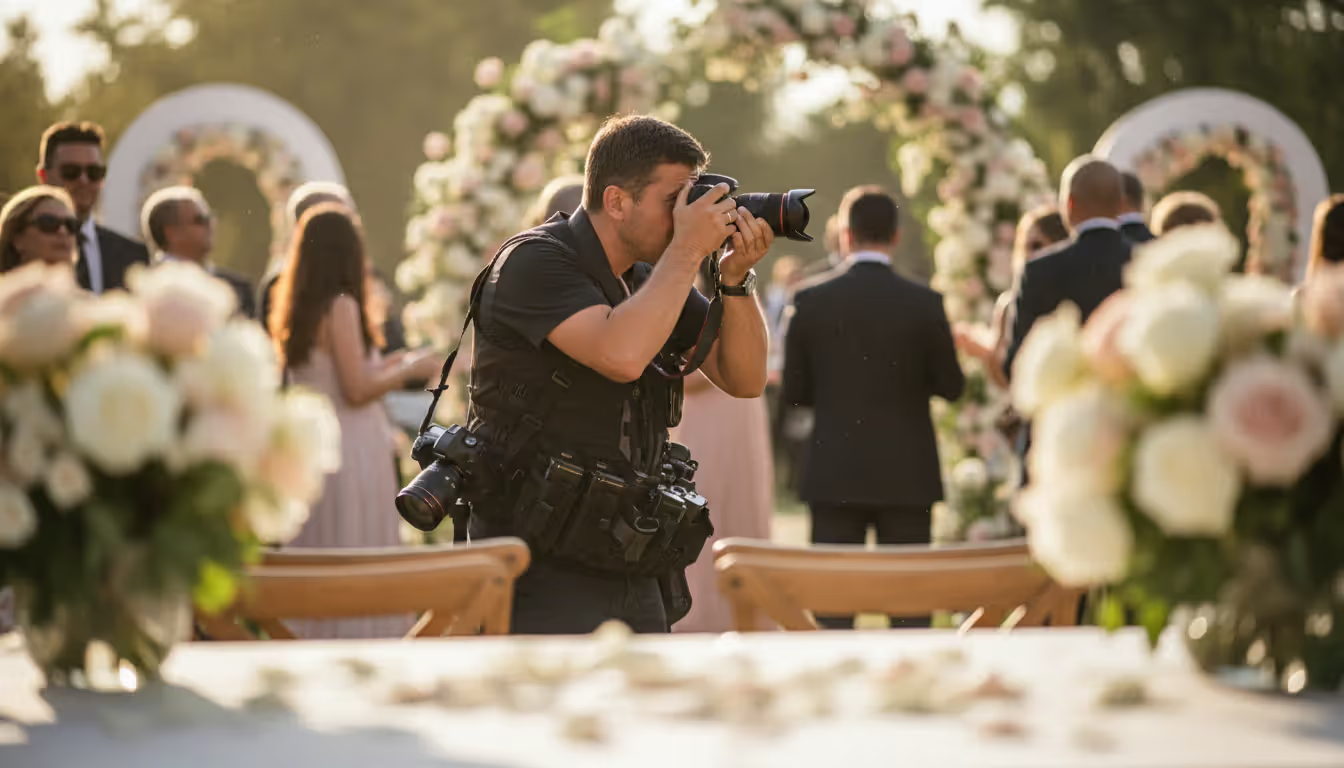
Picture this: You're shooting a wedding reception, adjusting your position to capture the first dance. Your tripod leg catches on someone's chair. You stumble backward into the venue's antique credenza displaying a $4,000 ice sculpture shaped like swans. Everything crashes to the marble floor. The venue owner appears within minutes, demanding payment for the sculpture, the damaged credenza, and compensation for their "ruined reputation" since the bride is posting negative reviews online.
No insurance? You're cutting that check yourself. Then hiring a lawyer when the venue decides $4,000 isn't enough and files suit for $15,000.
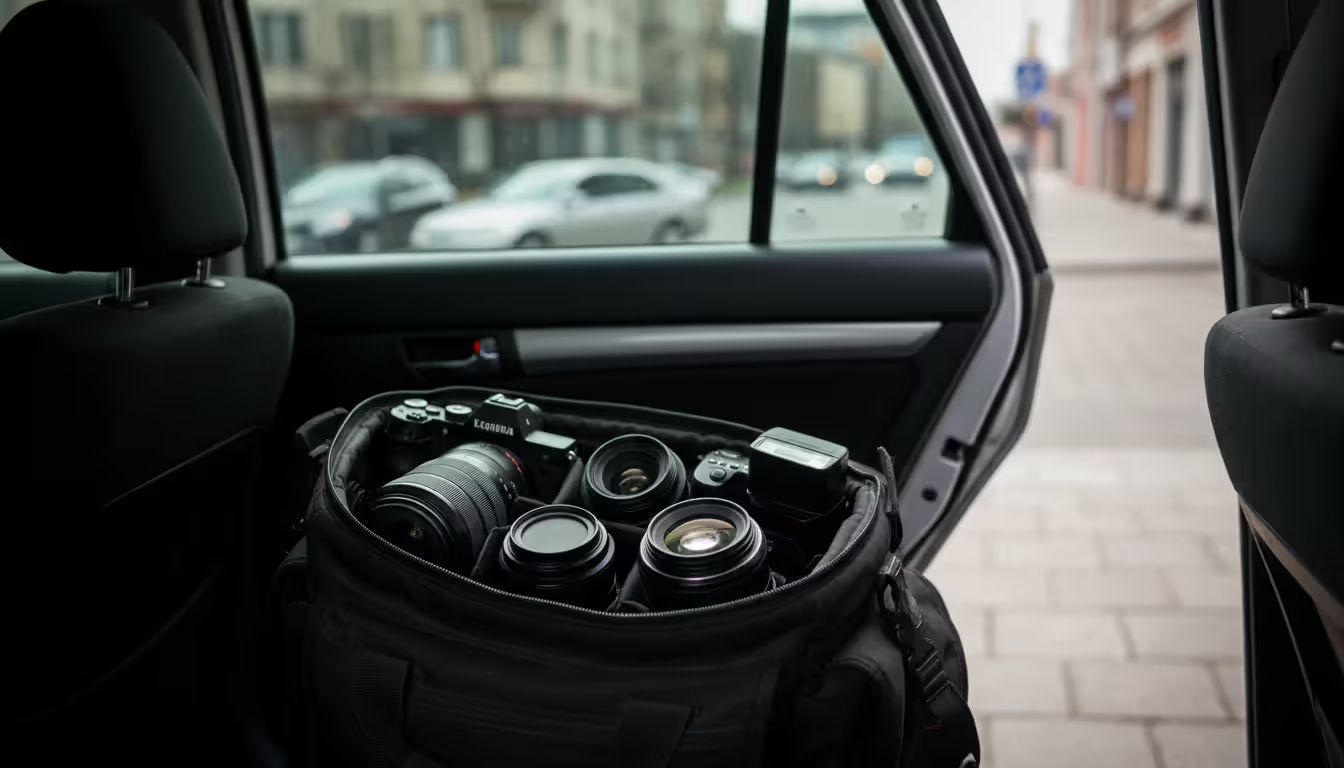
Equipment theft isn't some rare occurrence you read about in forums. It's disturbingly common. Camera bags get grabbed from cars during coffee runs. TSA-checked gear mysteriously disappears between flights. Studio break-ins happen, especially in shared creative spaces where dozens of people have building access and security cameras may or may not be functioning.
Client disputes create another layer of exposure that catches photographers off guard. Hard drives fail. Memory cards corrupt. Backup systems sometimes don't work like you thought they did. When you've lost every image from someone's wedding ceremony, no amount of apologizing prevents the lawsuit that follows. These professional liability claims routinely cost $15,000-$50,000 in legal defense alone—even in cases where you ultimately win.
Author: Derek Halston;
Source: maryelizabethphoto.com
Insurance for professional photography handles these scenarios through specific policies designed around creative business risks. The coverage protects your equipment, your business assets, and your ability to keep operating after something goes catastrophically wrong.
Types of Insurance Coverage Photographers Should Consider
Professional photography insurance isn't one product you buy and forget about. Real protection comes from layering several policy types, each handling different categories of risk. Understanding what each covers prevents you from paying twice for the same protection or leaving dangerous gaps in your coverage.
General Liability Insurance
This policy responds when your business activities cause injury to another person or damage someone else's property. It's the "you broke something or hurt someone" coverage.
Here's a real scenario: You're shooting family portraits at a client's home. While setting up a softbox on your C-stand, you misjudge the ceiling height. The light stand tips sideways, smashing into their glass coffee table and gouging deep scratches across their hardwood floor during the fall. Repairs run $2,800. The homeowner threatens to sue for additional damages, claiming the accident caused them "emotional distress" and they can't use their living room during repairs. General liability handles the repair costs plus legal defense if they follow through with the lawsuit.
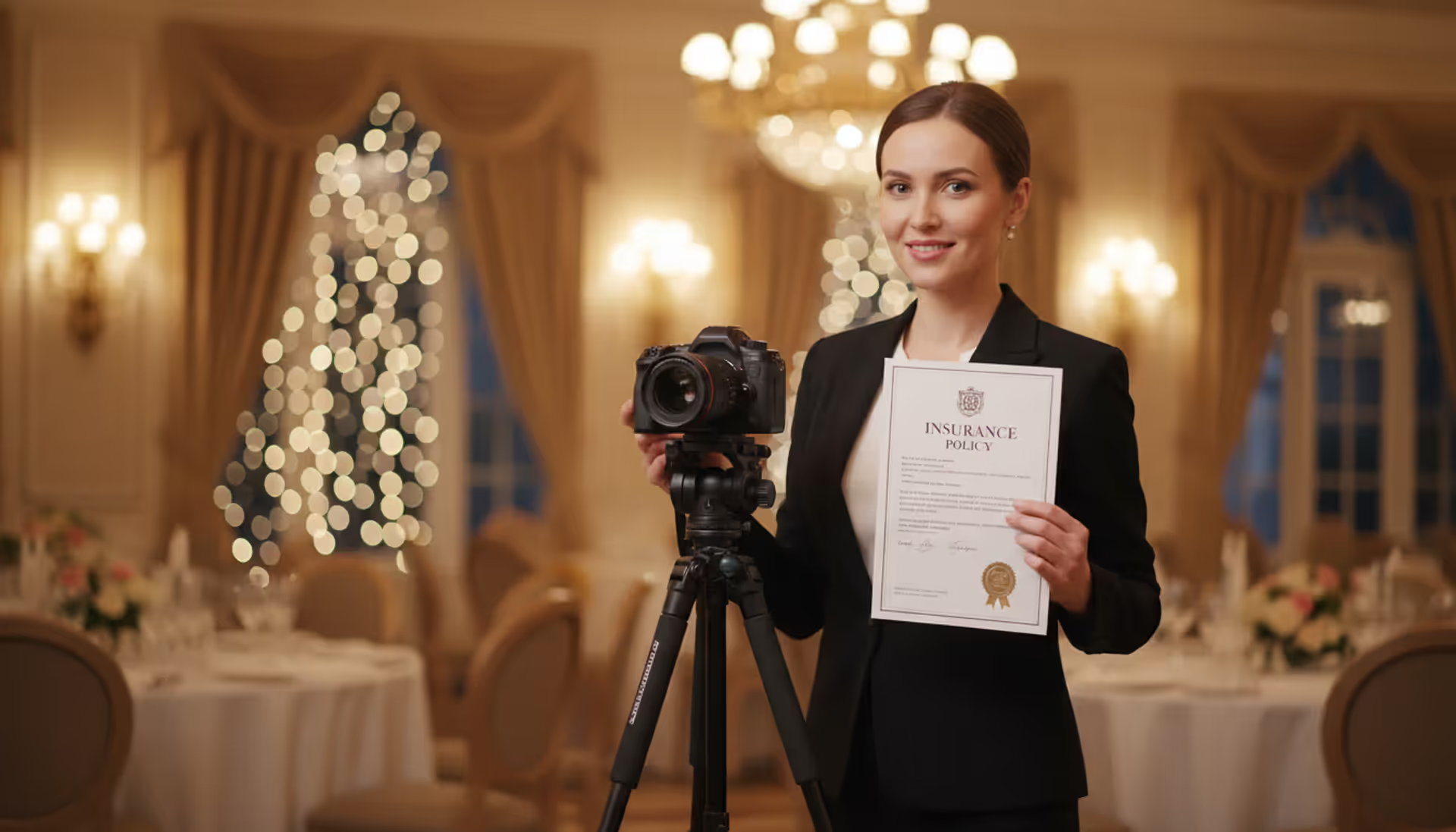
Most venues won't let you through the door without proof of this coverage. Hotels, event centers, country clubs, and commercial properties routinely require certificates of insurance before allowing you to work there. Their typical requirement? Minimum $1 million per incident, $2 million total coverage for the policy period.
Professional Liability (Errors & Omissions)
Professional liability jumps in when someone claims your actual photography services were inadequate, negligent, or failed to meet contractual promises. This isn't about physical accidents—it's about your work itself.
Real scenario: A corporate client books you for executive headshots of their 50-person leadership team. You shoot the session, pack up, and head home. While reviewing images that evening, you realize with horror that your memory card is corrupted. Every single file is unrecoverable. The company needs those images for an annual report going to print in three days. Several executives have already left for month-long international assignments. The client sues for the cost of flying executives back early, lost productivity from disrupted schedules, printing delays, and damages to their marketing timeline. Professional liability covers your defense costs and potential settlement.
This coverage also protects you if someone claims you've infringed on copyrights—using music, stock images, or other licensed materials improperly in your final deliverables.
Equipment Coverage
Sometimes called inland marine insurance (weird name, but that's the industry term), equipment coverage protects your cameras, lenses, lights, computers, and gear against theft, damage, and mysterious disappearance. Unlike general liability, this covers your property, not damage you cause to others.
Most policies pay replacement cost rather than depreciated value. That means you get enough money to buy new equivalent gear, not what your three-year-old camera body is theoretically worth on the used market.
Coverage follows your equipment everywhere—studio, vehicle, client locations, checked airline baggage, international travel. You'll typically face a deductible between $250 and $1,000. That $50 monthly premium difference between deductible levels seems minor until you're filing a claim. Would you rather save $600 annually but pay $1,000 out-of-pocket when your gear gets stolen? Or pay the extra fifty bucks monthly for a $250 deductible that makes smaller claims actually worth filing?
Business Property Insurance
This protects your physical studio location and everything in it that isn't portable camera gear. Think furniture, backdrops, props, office equipment, computers, and if you own the building, the structure itself.
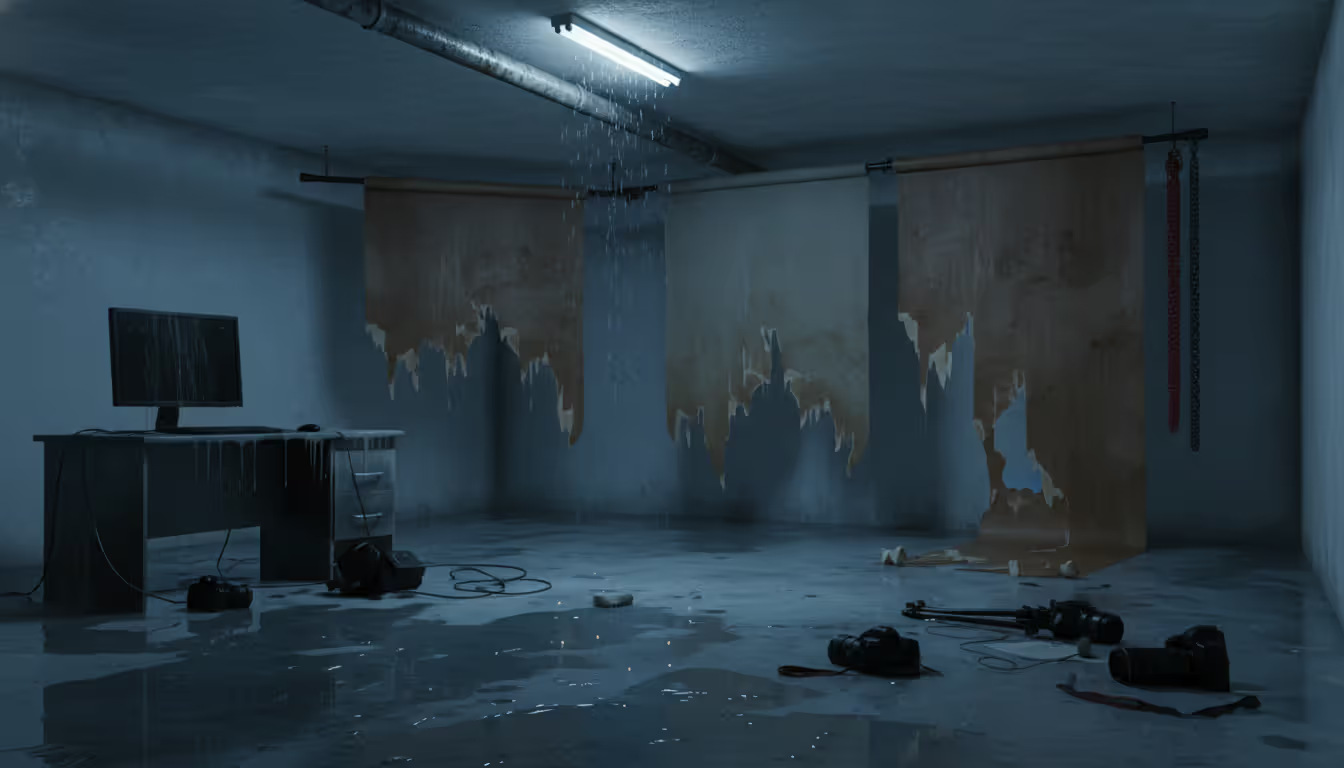
Renting studio space? Your landlord's insurance doesn't cover your stuff. Their policy protects the building structure, not your tenant improvements or business contents. When a pipe bursts and floods your studio, destroying your backdrop collection, editing workstation, client sample albums, and printer, the landlord's insurance pays exactly zero dollars toward your losses. You need your own business property coverage for that.
Quality policies include business interruption protection. If a covered disaster forces you to close for two months during repairs, business interruption payments replace the income you can't earn while your studio sits unusable.
Author: Derek Halston;
Source: maryelizabethphoto.com
What General Liability Insurance Covers for Photographers
General liability deserves extra attention because venues require it constantly and photographers misunderstand it frequently.
Three main coverage areas exist: bodily injury, property damage, and personal/advertising injury. Bodily injury pays medical bills and legal costs when your business operations hurt someone. Wedding guest trips over your camera bag and fractures their wrist? General liability handles their emergency room visit, orthopedic follow-ups, physical therapy, and lost wages if they miss work during recovery.
Property damage covers harm to physical items belonging to others. You accidentally knock a venue's $2,500 projector off a presentation table while repositioning your backdrop. The equipment shatters beyond repair. Venue also charges you for rental fees lost while they wait for the replacement to arrive. Your general liability policy covers the replacement cost plus those lost rental fees.
Personal and advertising injury sounds complicated but basically covers libel, slander, copyright problems in your advertising, or privacy invasion claims. Someone accuses you of using their photograph in your marketing materials without authorization? This portion of general liability handles your legal defense.
Policy limits work on a per-occurrence and aggregate structure. Here's what that actually means: A per-occurrence limit of $1 million caps payouts at $1 million for any single incident. The aggregate limit—typically $2 million—caps your total coverage across all claims during your policy period. Hit five different claims totaling $2 million aggregate? You've got zero coverage remaining until your policy renews.
Most venues want minimum $1 million per occurrence, $2 million aggregate. Premium venues and high-risk events sometimes demand $2 million per occurrence. Bumping your limits from $1 million to $2 million usually adds just $100-200 annually—cheap insurance if you regularly work at venues with stricter requirements.
Certificates of insurance prove you're covered. You can request these from your insurer anytime—most provide them within 24 hours. Certificates list your coverage types, policy limits, effective dates, and can name specific venues or clients as "additional insureds" for particular events.
Watch out for exclusions that trip up photographers. General liability won't cover your own equipment (that's equipment coverage), professional mistakes (that's professional liability), or intentional acts. Employee injuries fall under workers compensation, not general liability. Auto accidents need commercial auto coverage, not general liability.
Comparing Top Insurance Providers for Photographers
Some insurers specialize exclusively in photographer coverage. Others offer it within broader small business portfolios. Each structures their policies differently, creating variations in coverage options, pricing, and service quality.
Provider
Annual GL Premium
Equipment Limits
Prof. Liability
Ideal Client
Hill & Usher
$180-$300
$50,000 max
Separate purchase
Hobbyists and part-timers
Hiscox
$250-$450
$100,000 max
Bundled in packages
Solo shooters wanting simplicity
State Farm Business
$300-$500
$75,000 max
Separate purchase
Photographers preferring agent relationships
The Hartford
$350-$600
$150,000 max
Separate purchase
Multi-person studios with staff
Athos Insurance
$200-$350
$60,000 max
Included standard
Wedding specialists
Next Insurance
$220-$400
$50,000 max
Separate purchase
DIY buyers comfortable with apps
Thimble
$25-$75 daily
$25,000 max
Separate purchase
Occasional shooters
Hill & Usher built their business around photographers and creative professionals specifically. Their policies cover rented equipment automatically—helpful when you rent specialty lenses or lighting for particular shoots. Equipment claims typically process within 7-14 days. Customer service runs through email and phone during standard business hours.
Hiscox offers streamlined online buying with instant policy documents. Their platform lets you adjust limits and add coverage endorsements without waiting for agent callbacks. Professional liability comes bundled with general liability in standard packages—simpler for photographers who need both. Pricing sits mid-range but includes features competitors charge extra for.
State Farm routes photography coverage through local agents, providing face-to-face service and potential multi-policy discounts if you bundle with personal insurance. Equipment coverage includes worldwide protection—valuable for destination wedding photographers or those traveling internationally for assignments. Claims service benefits from State Farm's extensive network, though agent expertise in photography-specific issues varies considerably.
The Hartford targets established photography businesses, particularly operations with employees or multiple studio locations. Policies include higher equipment limits and optional cyber liability—increasingly relevant as photographers accumulate gigabytes of client data. Pricing runs higher than specialist competitors but delivers more comprehensive baseline protection and higher standard liability limits.
Athos Insurance focuses exclusively on wedding and event photographers. Policies automatically include wedding-specific coverage like vendor no-shows affecting your ability to deliver contracted services. Professional liability comes standard, addressing the high-stakes nature of wedding work where you can't reshoot missed moments. Monthly payment options help manage cash flow during slow seasons.
Next Insurance operates entirely online with instant quotes and digital policy issuance. You can purchase coverage, generate certificates, and file claims through their mobile app. Convenience comes with tradeoffs—limited customization and no agent to call with complex questions. Pricing stays competitive for straightforward coverage needs without special requirements.
Thimble sells event-based policies for photographers working occasional gigs. Coverage purchased by the day or month rather than annually. Shooting just one wedding per quarter? You might pay $75 per event instead of $400 yearly—substantial savings for limited activity. However, equipment limits run lower than annual policies, and frequent users end up spending more than annual coverage costs.
When comparing providers, weigh claims reputation as heavily as premium pricing. Online reviews reveal patterns in claims handling. Providers with consistent complaints about denied claims or delayed payments should raise red flags, regardless of attractive premium quotes. Saving $50 annually means nothing if the insurer fights your legitimate $5,000 equipment claim.
How Much Does Photography Insurance Cost
Premiums depend on coverage types, policy limits, business characteristics, and your location. Understanding these variables helps you estimate costs and spot opportunities to reduce premiums without sacrificing necessary protection.
General liability for photographers typically runs $180-$600 yearly. Part-timers with modest revenue and no employees pay toward the lower range. Full-time studios with multiple shooters, physical locations, and substantial revenue pay more. Your annual revenue significantly impacts pricing—someone earning $30,000 might pay $200, while another earning $200,000 could pay $500 for identical coverage limits.
Equipment coverage pricing ties directly to total gear value and your chosen deductible. Insuring $10,000 in equipment typically costs $200-$400 annually with a $500 deductible. Bump coverage to $30,000 and premiums rise to $500-$800. Higher deductibles cut premiums—choosing $1,000 instead of $250 might save $100-$150 yearly.
Professional liability adds $250-$600 annually depending on limits and your specialty. Wedding photographers pay more than portrait photographers because wedding claims tend toward larger settlements and happen more frequently. A $1 million professional liability limit for portrait work might cost $250, while identical limits for wedding coverage could hit $450.
Geography influences rates through state regulations and historical claim patterns. California and New York photographers typically pay 20-30% more than those in Montana or Nebraska, reflecting higher lawsuit frequency and larger average settlements in densely populated states.
Author: Derek Halston;
Source: maryelizabethphoto.com
Your photography specialty creates substantial pricing variations. Wedding and event photographers face premiums 15-25% higher than product or real estate photographers. Irreplaceable moments and higher client expectations drive increased professional liability risk. Commercial photographers working with corporate clients often pay more for general liability since shoot locations involve expensive venues and elaborate equipment setups.
Claims history impacts renewal pricing dramatically. A single claim can bump premiums 20-40% at renewal. Multiple claims within three years might make coverage nearly impossible to obtain at any price. This makes risk management practices—proper equipment maintenance, detailed contracts, robust backup systems—financially worthwhile beyond just preventing losses.
Bundling multiple coverage types typically saves 10-15% compared to purchasing separate policies from different insurers. Buying general liability, professional liability, and equipment coverage from one provider usually costs less than splitting coverage among multiple companies. You also get administrative simplicity—one renewal date, one certificate source, one claims contact.
Annual payment versus monthly installments affects your total cost. Paying annually usually saves 5-8% compared to monthly payment plans. Monthly payments help manage cash flow though, particularly for photographers with seasonal revenue patterns. Weigh the savings percentage against your financial flexibility and seasonal income variation.
How to Get a Photography Insurance Quote
Getting accurate quotes requires preparation and understanding what information insurers need for evaluating your risk profile.
Start documenting business basics: legal structure (sole proprietor, LLC, corporation), annual revenue, employee count, and years operating. Insurers use these details for categorizing your business size and stability. Newer operations sometimes face premiums 10-15% higher than established businesses.
Create a detailed equipment inventory listing each item, purchase date, and current replacement cost. Include cameras, lenses, lighting gear, computers, software licenses, and accessories. Insurers need this inventory for quoting equipment coverage accurately. Underestimating equipment value saves premium dollars initially but leaves you underinsured when disaster strikes and you're filing claims.
Identify your photography specialties and approximate revenue percentage from each. Wedding work, commercial assignments, portraits, real estate, and events carry different risk profiles. An accurate breakdown helps insurers price coverage appropriately. Misrepresenting your work mix to grab lower quotes can result in denied claims when the insurer discovers you're primarily shooting higher-risk work than you disclosed during underwriting.
Determine required coverage limits before requesting quotes. Review contracts with your regular venues for their insurance requirements. Most demand $1 million general liability minimum, though some require $2 million. Quoting wrong limits wastes everyone's time and creates confusion when comparing provider offers.
Request quotes from at least three providers for meaningful comparison of pricing and coverage features. Use identical specifications across all quotes—same limits, same deductibles, same coverage types. Comparing a $1 million policy from one provider against a $2 million policy from another provides zero useful information about relative value.
Review quotes carefully beyond just the premium amount. Compare coverage features, exclusions, deductibles, and payment flexibility. The cheapest quote might exclude professional liability, carry higher deductibles, or omit coverage for rented equipment. A quote running $100 more expensive but including $50,000 additional equipment coverage and bundled professional liability delivers better actual value.
Ask specific questions about claims processes before buying. How do you file claims—online portal, phone call, through an agent? What's the typical processing timeline? Do they offer claim-free discounts at renewal? Understanding these operational details before purchasing prevents frustration later when you're actually trying to use your coverage.
Author: Derek Halston;
Source: maryelizabethphoto.com
Common shopping mistakes include obsessing exclusively over price, failing to disclose all business activities, choosing inadequate limits for saving money, and never reading policy exclusions. Photographers who shoot occasional drone work but don't mention it during quoting might find all drone-related claims denied. Most policies exclude aircraft (drones count as aircraft) unless you specifically add that endorsement.
Timing affects photography insurance purchases. Buying coverage right before peak season—spring for wedding photographers—sometimes results in higher quotes as insurers anticipate immediate claims potential. Purchasing during slower periods occasionally yields better rates, though this varies significantly by provider and isn't a reliable strategy.
Photographers lose entire businesses over single uninsured claims more often than people realize.I worked with a wedding photographer facing a $35,000 lawsuit after hard drive failure lost every ceremony photo for a couple. No professional liability coverage meant he paid legal fees from personal savings and eventually settled for $22,000. The financial stress forced him to close his studio within six months. That entire catastrophe would've cost him maybe $400 in annual premiums to completely avoid.
— Marcus Chen
Frequently Asked Questions About Photography Insurance
Do I need insurance if I only shoot part-time?
Part-time status doesn't reduce liability exposure. Venues still require insurance certificates whether you're full-time or shooting weekends. Lawsuits from clients or venues don't care about your employment status—they care about damages and who's paying for them. Part-time operations actually qualify for lower premiums than full-time businesses though, making coverage affordable. Many weekend photographers spend $300-$500 yearly for comprehensive protection. Compare that to potential lawsuit costs of $20,000-$50,000 and the math becomes clear.
Does general liability insurance cover my camera gear?
No. General liability covers damage to other people's property and injuries to third parties. Your own equipment needs separate equipment coverage (inland marine insurance). This confusion leads tons of photographers to assume they have gear protection when they actually don't. Always purchase specific equipment coverage if you want theft and damage protection for your cameras, lenses, and accessories.
What's the difference between general and professional liability?
General liability handles physical accidents—guests tripping over your equipment, damaged venue property, light stands falling and injuring people. Professional liability handles mistakes in your actual photography services—missed shots, late delivery, copyright problems, failure to meet contract obligations. Both coverages serve different purposes. General liability addresses "your physical presence caused harm," while professional liability addresses "your work quality or service delivery caused financial harm." Most established photographers need both.
Can I get insurance for a single event or wedding?
Yes. Several providers offer event-based coverage for occasional shooters. Thimble, for instance, sells daily or monthly policies starting around $25-$75 per event depending on coverage limits. This works well for photographers shooting fewer than six events yearly. Beyond that frequency, annual policies become more cost-effective. Event-based policies typically include general liability and limited equipment coverage but may exclude professional liability or have lower equipment limits than annual policies.
Does my homeowners insurance cover photography equipment?
Homeowners policies cap business equipment coverage at $2,500-$5,000 typically, and often exclude coverage when equipment gets used for commercial purposes. A $15,000 camera kit used for professional work wouldn't receive full coverage under standard homeowners insurance. Homeowners policies also exclude liability arising from business activities entirely. Professional photography demands dedicated business insurance for adequate protection—relying on homeowners coverage creates dangerous gaps that leave you financially exposed.
What happens if a client sues me for missing photos?
Professional liability insurance provides legal defense and covers settlements or judgments up to your policy limits. Without coverage, you're paying all legal costs and any settlement from personal funds. Photography lawsuits commonly cost $15,000-$40,000 in legal fees alone, even in cases you ultimately win. Professional liability typically costs $250-$600 yearly—dramatically less than defending a single lawsuit. Policies also provide access to attorneys experienced in photography disputes rather than forcing you to find and pay for specialized legal representation independently.
Insurance forms one of the foundational elements separating sustainable photography businesses from operations gambling with catastrophic financial risk. Appropriate coverage combinations shield you from devastating losses while meeting professional requirements that unlock access to premium venues and corporate clients.
Building proper protection starts with honest assessment of your actual risks based on photography specialties, typical work locations, equipment value, and client types. Wedding photographers face different exposures than real estate photographers. Studio-based portrait work creates different liability than on-location event coverage.
Balancing adequate coverage against budget constraints requires understanding which protections qualify as essential versus optional for your specific situation. General liability qualifies as essential for virtually all photographers—venue requirements and lawsuit risks make operating without it financially reckless. Equipment coverage becomes essential once your gear value exceeds what you could replace from savings without devastating your business. Professional liability shifts from optional to essential as your business grows and client stakes increase.
Compare providers based on coverage features, claims reputation, and service quality rather than obsessing over finding the absolute lowest premium. Insurance value comes from reliable claims payment when disaster strikes, not from saving $75 annually on premiums only to fight claim denials when you actually need coverage.
Regular coverage reviews ensure policies keep pace with business changes. Annual equipment purchases, new service offerings, hiring employees, or relocating studios all affect appropriate coverage levels. Reviewing policies at renewal prevents coverage gaps from developing as your operation evolves.
Photography insurance ultimately functions as a business growth tool rather than just an expense to minimize. Proper coverage lets you pursue premium clients, work at high-end venues, and build your business with confidence that a single accident or mistake won't destroy everything you've created.
Wedding photographers face unique risks requiring specialized insurance coverage. Learn about liability protection, equipment coverage, one-day vs. annual policies, venue requirements, and how to choose insurance that protects your business from lawsuits, equipment loss, and professional errors
Running a photography business means investing thousands in gear and facing liability risks at venues and events. The right insurance protects your equipment and livelihood when accidents happen. Learn what coverage you need, costs by business type, and mistakes to avoid
Photography insurance costs range from $200 to $2,000+ annually depending on your business size and coverage needs. This comprehensive guide breaks down average costs by photographer type, explains factors affecting quotes, and shows you how to compare policies effectively while avoiding common mistakes
Photography insurance protects your business from lawsuits, equipment loss, and professional liability claims. Learn what coverage photographers need, how much policies cost, and how to choose the right protection for your specialty—from wedding photography to commercial work
The content on this website is provided for general informational and educational purposes only. It is intended to explain concepts related to running a photography business, insurance coverage, marketing, websites, and professional development.
All information on this website, including articles, guides, and examples, is presented for general educational purposes. Outcomes may vary depending on business size, location, and individual choices.
This website does not provide professional legal, insurance, financial, or business advice, and the information presented should not be used as a substitute for consultation with qualified professionals.
The website and its authors are not responsible for any errors or omissions, or for any outcomes resulting from decisions made based on the information provided on this website.